


With it being recently reported that China is the top overseas destination for Thai travellers, it is time to get to know the cuisine better.
Though outside main cities, travel within China can be daunting, its cuisine need not be. In fact, to experience dishes from two regions, you don't even have to leave the comforts of futuristic Shanghai.
Ningbo cuisine
As the Chinese saying goes: "When the whitefish enters the boat, the flavours of Ningbo sail across the seas." Yong Fu is perhaps the restaurant in Shanghai for refined Ningbo cuisine. The modern Chinese restaurant is famous for serving wild-caught seafood shipped daily from the East China Sea.
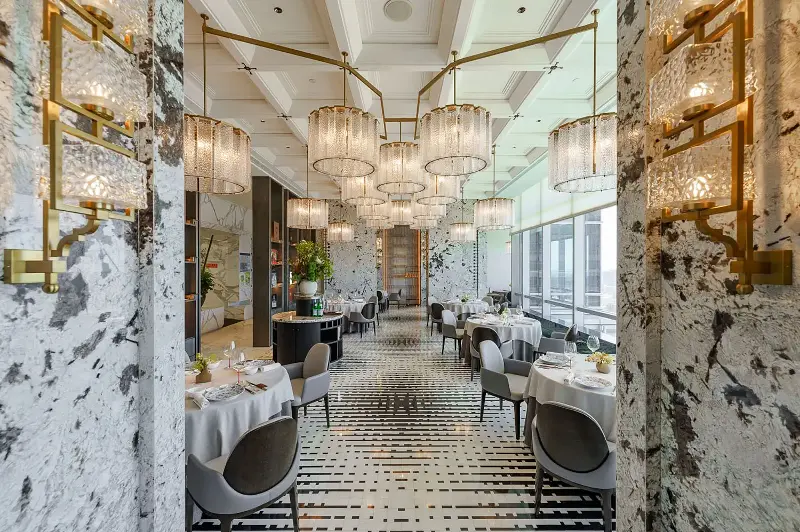
Yong Fu North Bund.
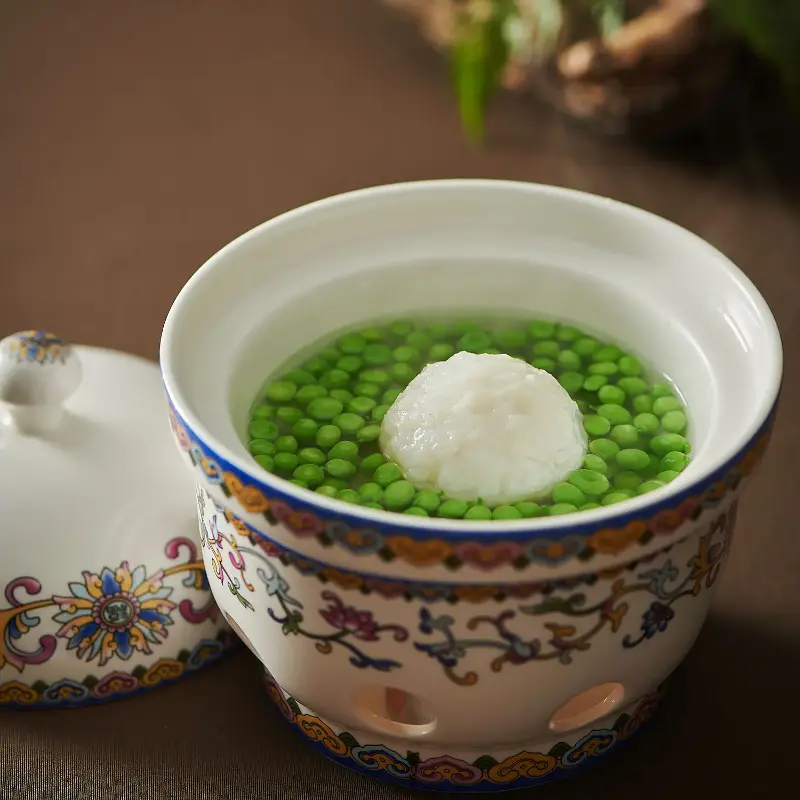
Stewed yellow croaker meatballs with crab and sweet peas.
The restaurant has two locations -- one evoking old-world charm and one telling the story of modern China, so to speak.
Founded by chef Weng Yongjun at the Galaxy Hotel on Zhongshan West Road in Shanghai, it relocated to the 100-year-old JinJiang Hotel and is also known as Yong Fu Huangpu. The decor may be dated and not as luxurious as the sister location, but it still gives old world charm and luxury.
Chef-patron Yongjun redefines Ningbo cuisine for a broader audience, refining traditional cooking techniques and utilising premium ingredients. No matter the location, in Shanghai or overseas (there are branches in Hong Kong and Singapore), every meal should begin with the signature Ningbo raw marinated crab, a personal favourite.
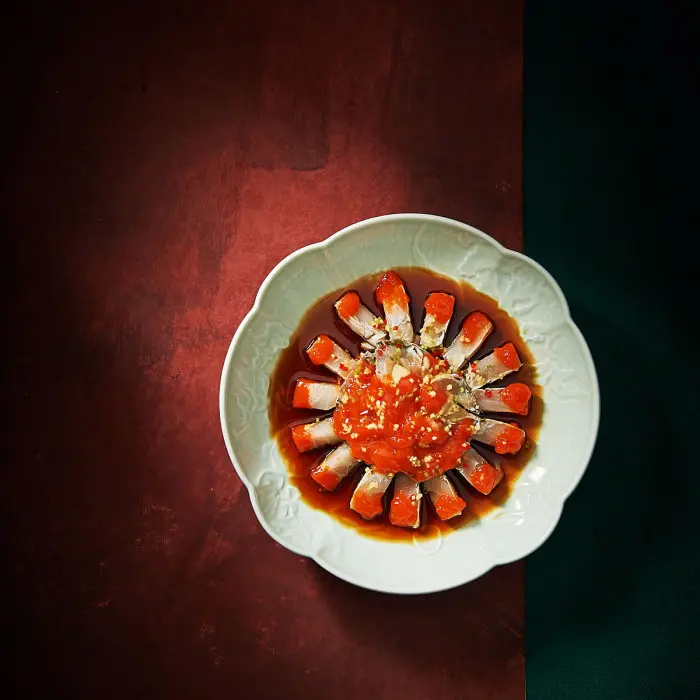
The renowned Yong Fu "Ningbo 18 cuts" features raw mud crab marinated in aged Huadiao wine, soy sauce, ginger and coriander. The orange roe is the star of the dish and once you've tried it, you will be craving it at every opportunity.
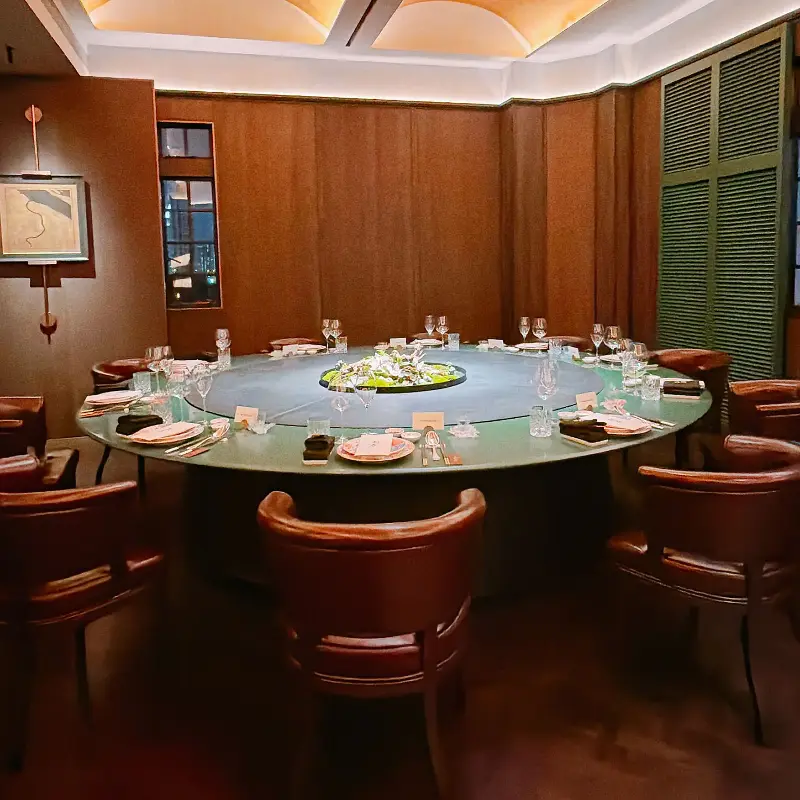
Yong Fu Huangpu.
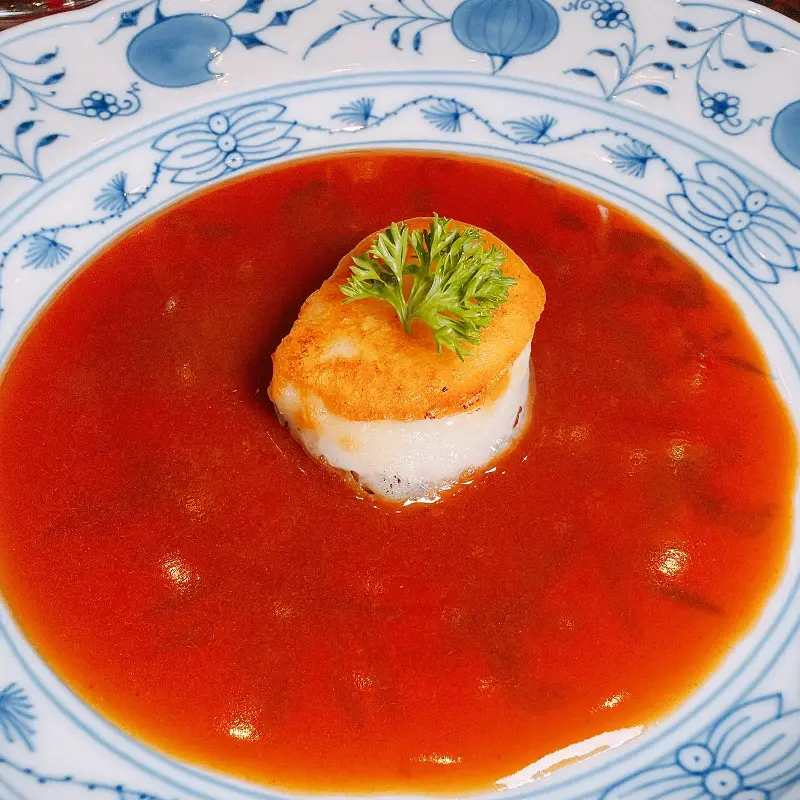
Pan-seared scallops with local fermented soybean paste.
Though the restaurant is predominantly known for its Ningbo cuisine, it is also known to elevate eastern Chinese coastal cuisine, which can be experienced in the sea worm, hardly seen on fine dining tables.
"The longer we dedicate ourselves to developing local flavours, the deeper our understanding of Ningbo culture becomes," says chef Yongjun.
Another signature is the yellow croaker meatballs, which have hand-pounded fish mousse simmered in a clear, mellow broth. It is paired with sweet peas and sweet swimming crab to enhance the fresh, oceanic flavours.
Nothing like its name is the Bombay duck, only found in Mumbai, Hong Kong and China. The fish, which gets its name from colonial India, is turned into a patty, pan-fried and served with truffle. I have never had it in this form and needless to say, I'm a fan.
The newer Yong Fu North Bund branch opened its doors in 2022 and has since become the flagship of the brand.
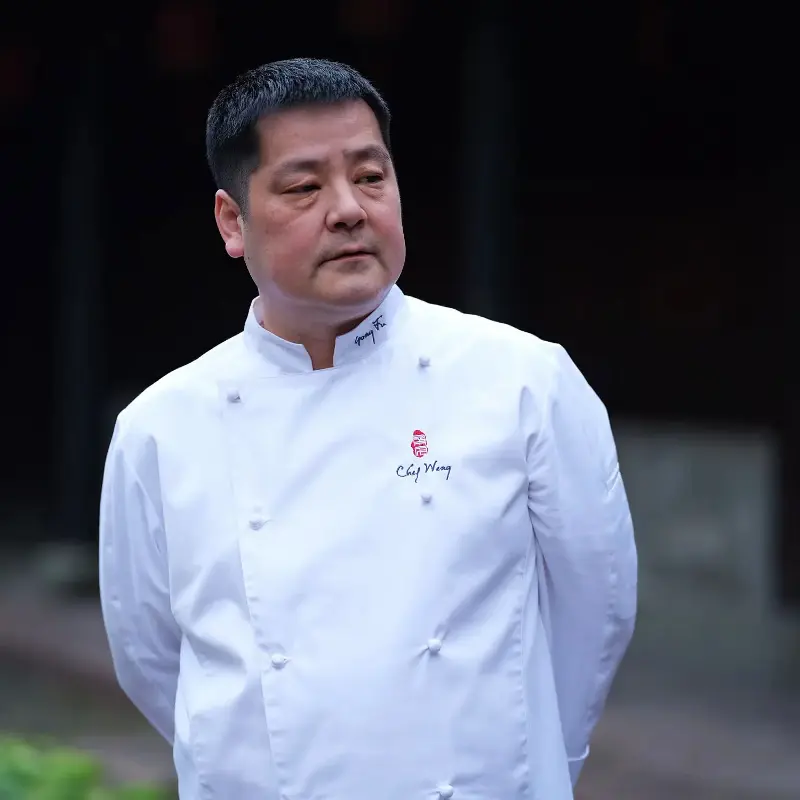
Chef-patron Weng Yongjun of Yong Fu.
From the main dining restaurant and the private dining rooms, the restaurant offers stunning views of Shanghai and the Huangpu River, though it doesn't take away from the food, only enhancing it by offering views of the iconic Lujiazui skyline and panoramic vistas of both riverbanks.
From view to plate, this is the best interpretation of modern China.
The braised stonefish with pufferfish fin soup is a lovely gelatinous, rich and deeply savoury seafood soup, though it is the pan-seared scallops with local fermented soybean paste that are absolutely scrumptious.
Zhangzidao scallops are known for being plump and sweet and they are pan-fried to caramelise them. The Ningbo fermented soybean paste offers a savoury-sweet profile and is a distinct part of the cuisine.
"To me, true innovation is about keeping pace with the times, but only after thoroughly understanding tradition," emphasises chef Yongjun.
Chaozhou cuisine
Chaozhou cuisine focuses on preserving the natural flavours of its ingredients rather than masking them with heavy sauces. However, it is world-renowned for its savoury and spicy chilli oil condiment.
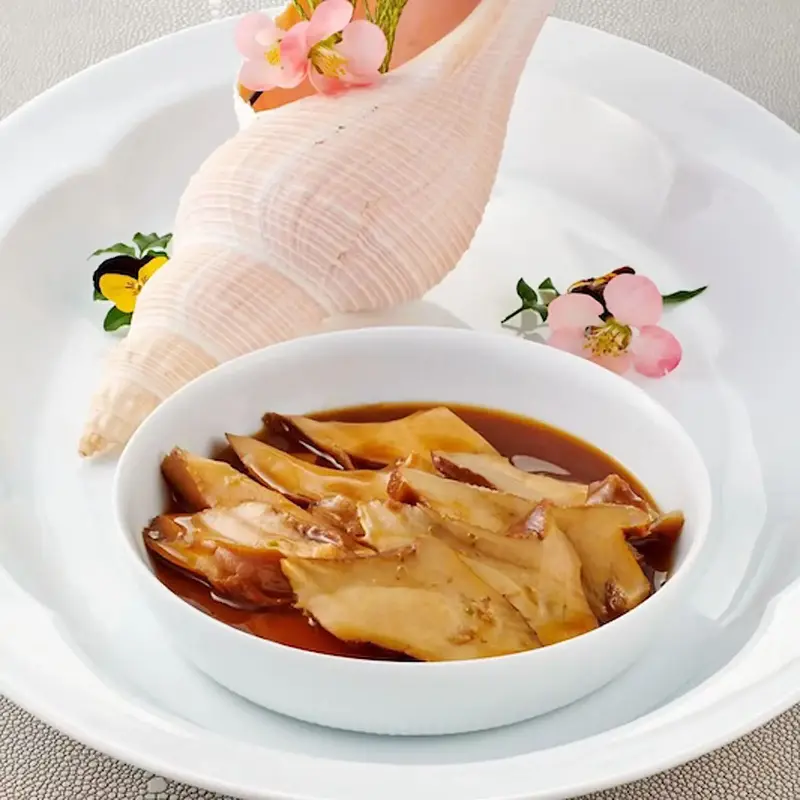
Sliced conch with Chiu Chow pickles. (Photos courtesy of Amazing Chinese Cuisine)
Chef Du Jianqing, a native of Puning in the Chaoshan region, founded the innovative Chaozhou brand Amazing Chinese Cuisine in 2015, and soon opened the Amazing Chinese Cuisine restaurant at the Bund. The brand has grown into a five-restaurant group, with the Amazing Chinese Cuisine ChangNing being one of the two standouts.
A must-order (if in season) are the spicy marinated mango clams, which are marinated raw in a Chiu Chow (another name for Chaozhou or Teochew) marinade. In Chaoshan-style, "drunken" seafood is strictly focused on highlighting the clam's natural ocean sweetness without masking it. It was so good, I had to order them twice!
Another dish that's a good representation of Chiu Chow cuisine is the one with sliced conch and Chiu Chow pickles. One of the signatures is the steamed fourfinger threadfin, which is served chilled, a classic preparation that highlights the fish's natural sweetness and delicate texture.
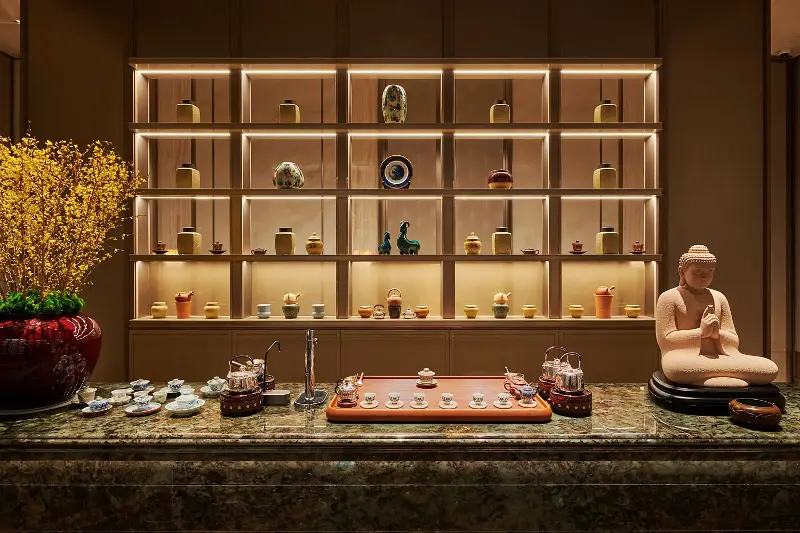
Selection by Du.
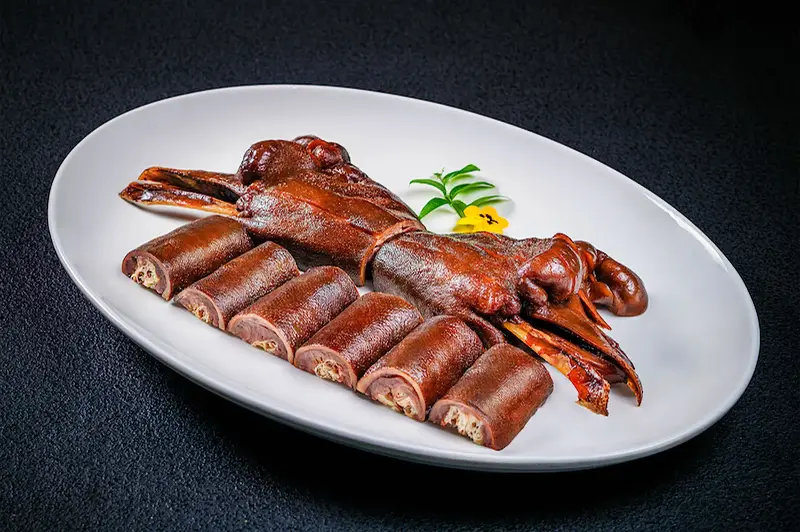
Marinated goose head.
The deep-fried Puning tofu features crispy, golden exteriors and soft, elastic insides. It is traditionally deep-fried in hot oil, then quickly refried at high heat to seal the crust. It is served with a signature dipping sauce of salted Chinese chives.
The tofu is also used in other dishes like the chilled tossed Nan'ao fresh squid, marinated Chiu Chow goose liver and steamed lobster with egg white custard and Chinese Huadiao wine.
Selection by Du, which opened in 2024, is also under the Amazing Chinese Cuisine umbrella, and offers a modern interpretation of Chaoshan cuisine at North Bund Raffles City.
Conceived as a personal culinary expression, Selection by Du reinterprets the philosophy of the Chinese family banquet through seasonal ingredients, precise technique and contemporary presentation.
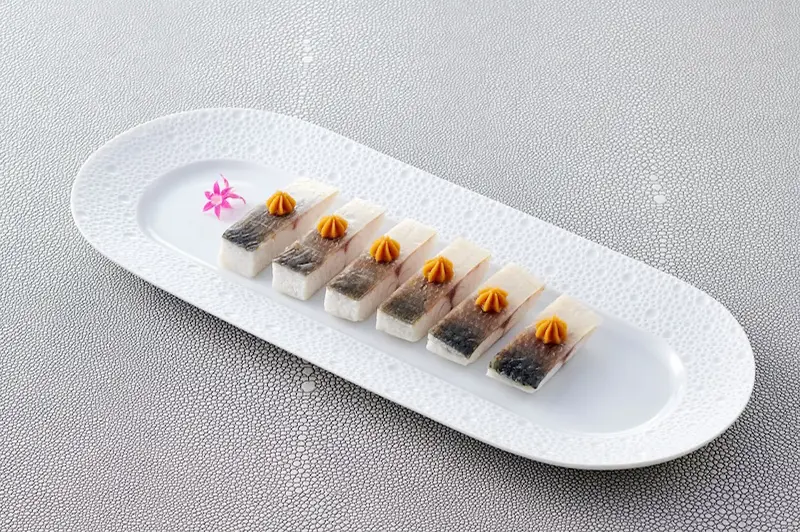
Chilled and steamed fourfinger threadfin.
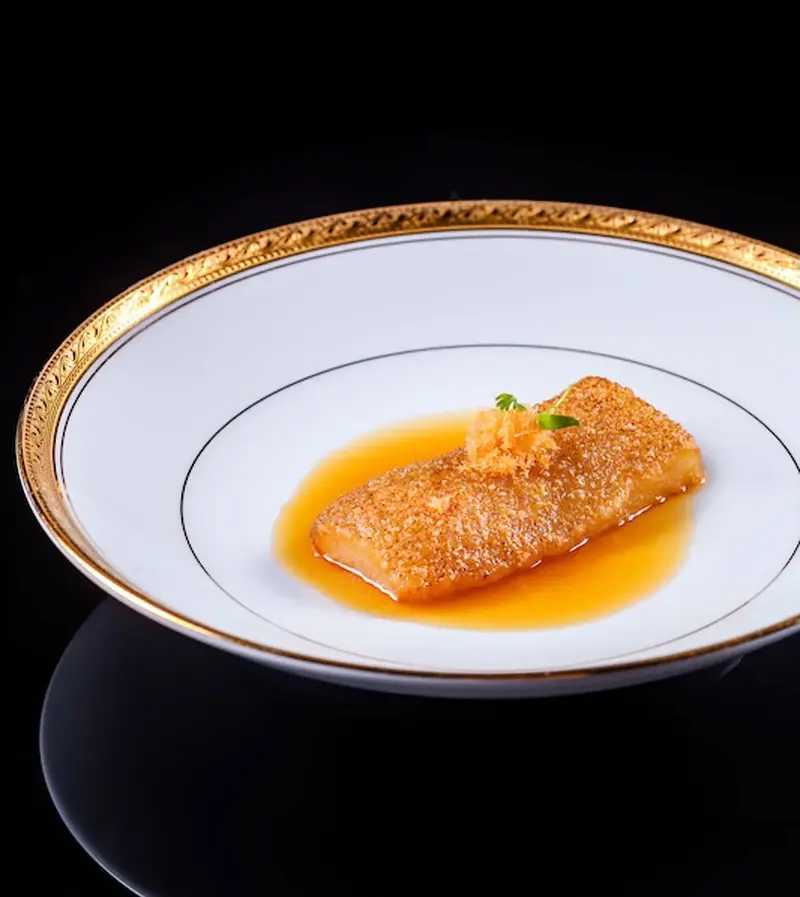
Crispy golden sea cucumber.
The Chaozhou-style marinated crab best describes the culinary philosophy at Selection by Du. Roe-filled crabs are sourced from coastal areas like Niutianyang and are brined in a signature marinade that preserves the natural sweetness and yields a luxurious, creamy texture.
The highlight at Selection by Du is the 36-month marinated goose head. The most prized delicacy in traditional Chaoshan marinated dishes, the Chaoshan lion-head goose is best at one year old, but its head reaches its peak at three years, being thick-skinned, firm and deeply flavourful.
At the restaurant, the goose heads are prepared daily, marinated in a master stock that has been going for more than four years. The top layer is covered in golden goose fat, while the amber-hued marinade is rich with complex flavours. The goose head, soaked to a deep ochre colour, offers a rich and aromatic taste with each bite.
The signature crispy golden sea cucumber is a classic masterpiece of Chaoshan culinary artistry.
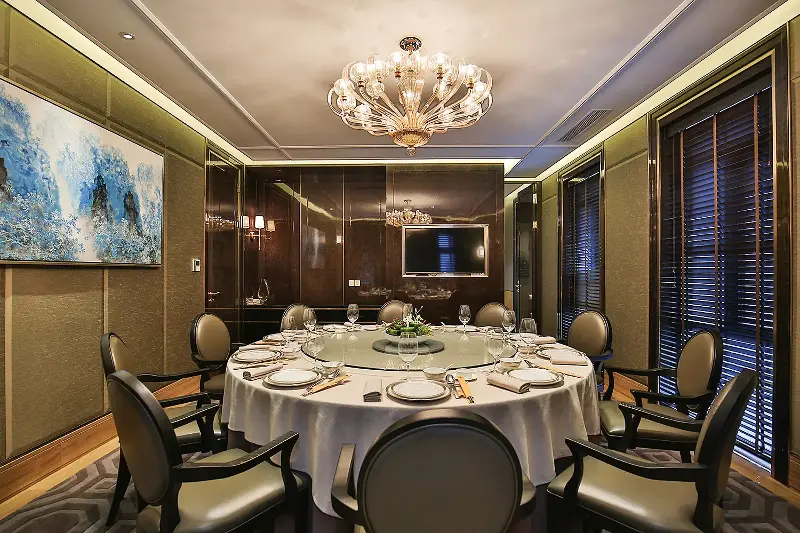
Amazing Chinese Cuisine ChangNing.
The kitchen selects premium dried golden sea cucumbers sourced from Australia and after rehydration, they are gently braised for two hours in a rich Chaoshan-style seafood broth made with dried flounder, dried shrimp and dried scallops.
The outer skin is crisped and garnished with delicate scallop threads. The dish has remained a favourite since its debut four years ago and once you taste it, it's easy to see why.
The pearl meat and scallop soup features Australian pearl shellfish meat, slow-simmered with dried scallops for four hours. The result is a clear yet intensely flavourful broth.
A dish representing both Western and Eastern culinary traditions is the unique braised fish maw with stuffed pasta. It combines premium three-head butterfly fish maw with Italian pasta stuffed with East China Sea prawns and Chaoshan free-range pork, and is slowly simmered in a rich Chaoshan-style seafood broth.
The Michelin honours, combined with recognition from the Black Pearl Restaurant Guide, are a sure sign that both restaurant groups are doing much more than serving good food. Both make sure that regional Chinese cuisine is interpreted for the modern table, while highlighting traditional methods of preparation and flavours.
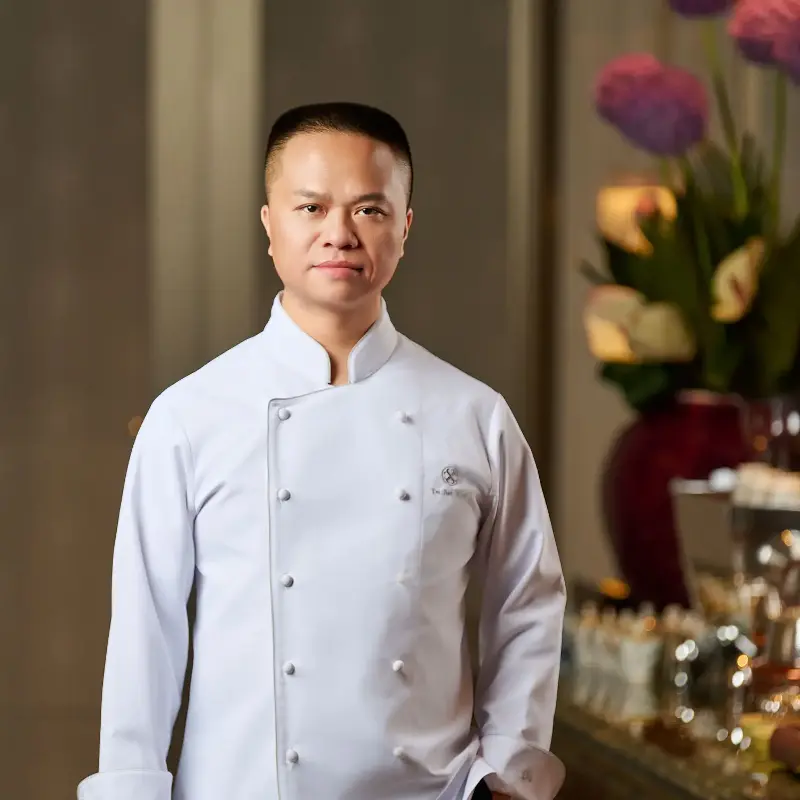
Chef Du Jianqing.