




We track everything: Calories burned, steps taken, minutes of deep sleep, inches lost. A good workout means closing the ring on your watch. Dinner comes with a data trail too. How small is the average roti? Does boiled egg have more protein than steamed fish? How much fibre is too little fibre? Do five small meals really total up to a lighter intake?
This obsession with food maths didn’t come from nowhere. It’s becoming tougher and tougher to eat right – even with home-cooked meals. So, it’s tempting to believe that precision control might do what traditional knowledge cannot. It’s why we weigh chicken at lunch, get portion-control bowls for rice, and put the salad dressing aside when the greens are served.
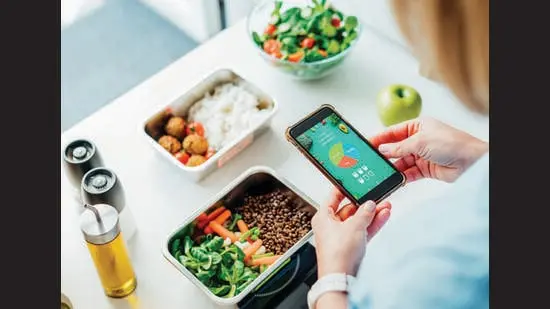
Gurgaon-based nutritionist Leema Mahajan, 38 (@LeemaMahajan), says that we’re counting obsessively simply because we now have the means to. She regularly counsels people who now fear mangoes, chaas, a spoon of ghee or a normal bowl of dal because they saw a Reel that claimed it could spike insulin. “It can be helpful when it’s not overdone.” But instead of enjoying food, many have started looking suspiciously at their own kitchens.
Mahajan says that while Indians now examine nutrition labels, we don’t really know what we should be looking for (particularly when fats, sugars and preservatives go by benign names to avoid detection). Her hack is to check how many ingredients comprise the complete list – fewer is better. And to pay attention to what’s listed first – that makes up the bulk of the food, that’s what you’re truly eating. Then, check the ratio of protein to total calories (high protein is better) and added sugars and sodium. And watch out for high levels of oil or fat, and ultra-processed carbs such as maltodextrin.
Fitness coach Kanav Vohra, 32, says that in the pre-fitness-tracker era, gymmers walked in, felt the music and focused on technique and form. Now, many pause mid-set to check their trackers. Some even rush movements just to push their heart rate higher, ignoring the point of strength training. “Metrics should guide us, not rule us,” he says. As with the gym, tracking food stats too closely is a bad idea. Wearables and apps didn’t become toxic on their own. We turned them into judges. The moment they start dictating your mood, they stop helping and start causing stress.
You don’t need a calculator at every meal. Most people only need three things: Portion awareness, reasonable protein intake and boring consistency. “Strictness gives results for two weeks; awareness gives results for life,” Vohra says.
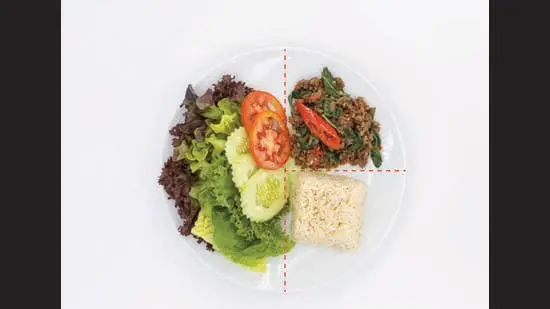
Even in home kitchens, the only data you (and your cook) need is knowing which foods deliver protein, which add fibre and what good carbohydrates look like. Mahajan breaks it down using a hand-based plate method: A serving of vegetables should fill both open palms, protein should fit one palm (dal, rajma, chana, paneer, eggs or chicken), and one roti or a fistful of rice is enough. A small bowl of curd or fruit completes the meal.
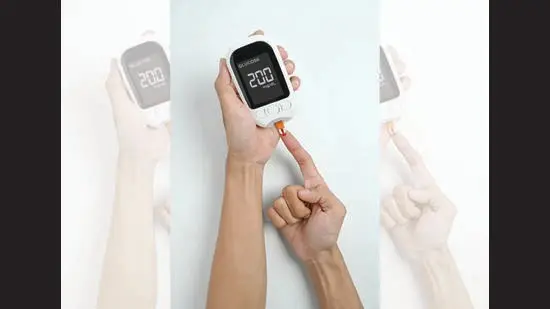
“People are overusing tools that were originally meant for medical guidance,” she warns. Apps such as MyFitnessPal, MyPlate and government platforms have shown people what they actually consume, but she cautions that not every gadget belongs in every kitchen. Glucose monitors, for someone without diabetes, can trigger anxiety because blood sugar doesn’t change only due to rice or chapati; it shifts with sleep, stress, hydration, hormones, activity and what the food is paired with.

Vohra also focuses on the basics: A 10-minute walk, a stretch, a dance session, a few squats; anything that gets the body moving. He recommends a bowl of soup before dinner, a stroll after meals, drinking enough water, choosing grilled over fried food, adding protein to meals, eight hours of sleep, stress reduction, and showing up consistently, even if imperfectly.
Quantification is a great start, Mahajan says. Tracking teaches people what reasonable portions look like. But the body’s needs shift with age, activity, stress, illness and daily routine. If you stay dependent on numbers forever, you stop paying attention to your own cues. And the body’s notifications are scarier than any alarm ping.