




A door that closes effortlessly one day may suddenly start getting stuck in its frame when the rains arrive. This common monsoon inconvenience is not necessarily a sign of poor carpentry or damaged hinges. Changes in humidity and moisture levels can affect the wood, causing it to expand and alter its fit within the frame. In this edition of ‘Everyday Explained,’ HT Lifestyle spoke to Deepak Kumar H, CEO at Papillon Interiors, to decode what leads to swelling of wooden doors during the monsoon.
Also read | Everyday Explained: Why your eyes twitch randomly throughout the day
Why do wooden doors swell during monsoons?
Wood is a natural, hygroscopic material, which means it absorbs and releases moisture depending on the humidity levels in its surroundings. According to Kumar, during the monsoon, when atmospheric humidity remains high for extended periods, wooden doors tend to absorb moisture from the air. As the wood takes in this moisture, its fibres expand, causing the door to swell. Even a small amount of expansion can affect how the door fits within its frame, making it difficult to open or shut smoothly.

“The problem is particularly noticeable in solid wood doors, especially those made from timber that has not been adequately seasoned or dried before installation,” Kumar highlighted. Poor moisture treatment, inadequate sealing and exposure to damp walls or floors can further aggravate the issue. Doors installed with very tight clearances may also become difficult to operate because there is little room to accommodate seasonal expansion.
“From an interior design perspective, the important consideration is not just the choice of wood but also how it has been processed, treated and installed,” said Kumar. Properly kiln-seasoned timber, moisture-resistant finishes and adequate clearance between the door and its frame can significantly reduce monsoon-related swelling. All six sides of the door, including the top and bottom edges, should ideally receive protective sealing. These concealed edges are often overlooked during polishing, leaving them vulnerable to moisture absorption.
What should you do?
“Homeowners should avoid immediately planning or trimming a swollen door when the problem first appears during the monsoon,” advises Kumar. Once humidity levels fall, the wood may release the absorbed moisture and return closer to its original dimensions. Trimming it prematurely can leave excessive gaps during drier months.
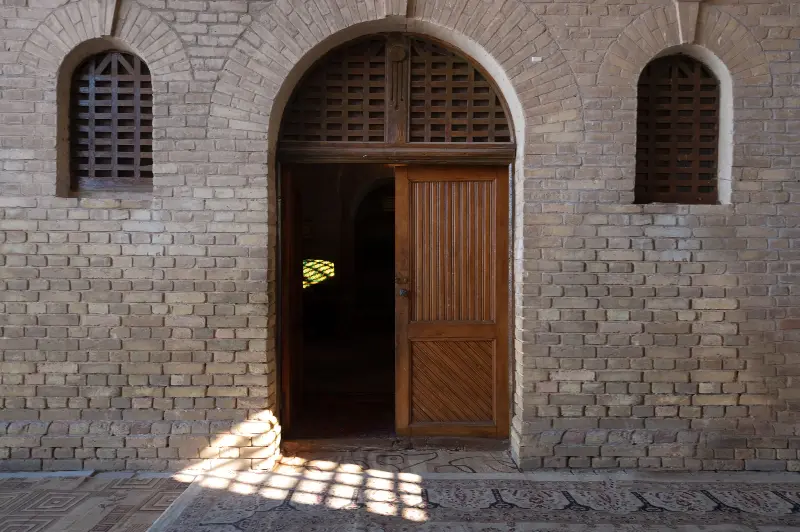
Instead, check for moisture seepage around the door frame, particularly where it meets the wall or floor. Ensure that the room has adequate ventilation and address any leakage or dampness. If the door continues to stick even after the monsoon, a carpenter can assess whether the issue is caused by swelling, misalignment of hinges, or a change in the door frame.