


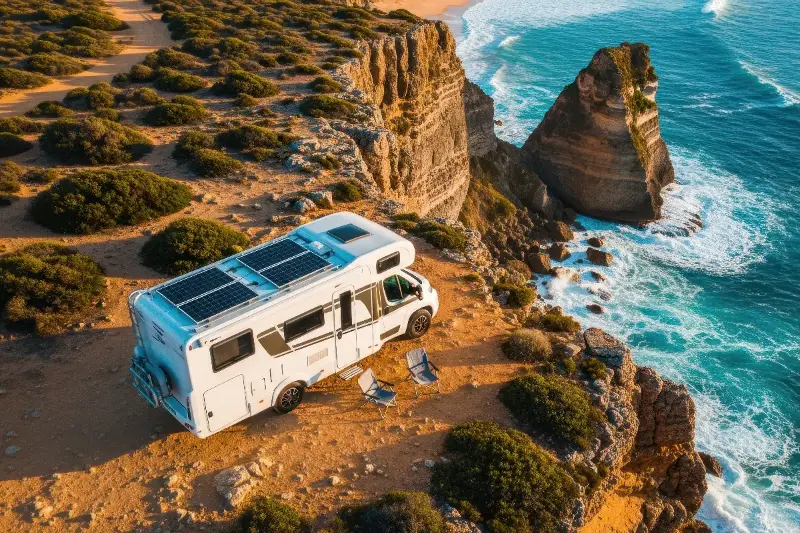
The dream of home no longer needs a fixed address. Across Europe, Australia, and North America, more people are trading long commutes, crowded schedules, and expensive leases for compact living spaces on wheels.
Campervan living—often described through the concept of a "mobihome"—combines high mobility with all the essential comforts of a personal retreat. This lifestyle is no longer just for backpackers. Remote workers, young couples, families, and solo travelers are all discovering the appeal of making the open road part of everyday life.
What Makes the Mobihome Concept So Powerful
A mobihome is far more than a vehicle with a mattress in the back; it is a compact, highly adaptable home designed specifically around movement.
- Custom freedom: Conversions range from professionally built campervans with insulated walls, solar panels, and swivel seats to carefully crafted DIY projects based on cargo vans or minibuses.
- Total environmental control: Travelers carry their own familiar space wherever they go. You can enjoy your morning coffee beside a quiet lake, under pine trees, or near a sweeping coastal path.
- An intentional pace: Instead of rushing through a fixed itinerary, van travelers can stay longer in small towns, explore local markets, and adjust routes based on the weather.
Small Spaces and Smart Design
Living comfortably in a few square meters requires thoughtful planning. Every single item needs a clear purpose, and many features must serve multiple functions.
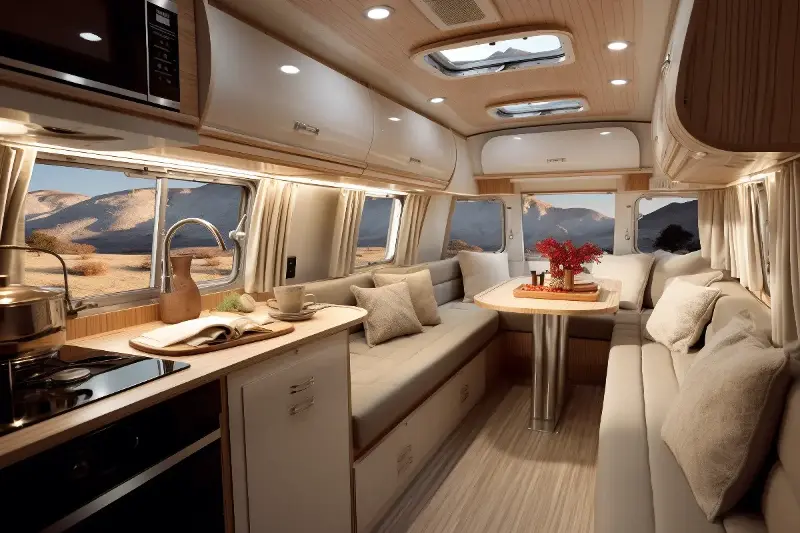
- Multifunctional layouts: Benches convert into beds, dining tables fold neatly into walls, and hidden storage sits beneath floors and seating boxes.
- Essential amenities: A solid setup includes a comfortable sleeping platform, ventilation, lighting, fresh water storage, and a practical cooking space.
- Off-grid power: Roof-mounted solar panels recharge batteries that power phones, laptops, lights, and small appliances.
- Moisture control: High-quality roof vents and proper insulation prevent condensation from cooking and breathing, keeping the interior dry and pleasant in all seasons.
The Financial Reality Behind the Freedom
While campervan living can lower certain living costs, it is not automatically cheap. Managing your budget realistically is key to long-term success.
- Initial investments: Purchasing a vehicle, setting up conversions, and paying for regular mechanical maintenance, fuel, and insurance can add up quickly.
- Daily savings: Major savings come from eliminating expensive city rents, avoiding costly hotel bookings, and preparing fresh meals in your own kitchen space.
- Ongoing expenses: Smart travelers keep an emergency repair fund for unexpected engine maintenance, replacement tires, laundry, mobile data plans, and campsite fees.
A Lifestyle Built on Flexibility and Respect
The freedom of mobile living works best when paired with flexibility and a strong sense of responsibility.
- Finding overnight spots: Regulations for overnight parking vary widely by region, so checking local rules is always essential.
- Leaving no trace: Responsible vanlife means packing out all rubbish, avoiding private land without permission, and protecting fragile natural environments.
- Connecting with community: Travelers frequently meet like-minded people at campsites, trailheads, and local laundrettes, creating a supportive network on the road.

Balancing Remote Work and Everyday Routines
Mobile technology has made van life far more practical for working professionals:
- Mobile offices: Hotspots, local SIM cards, and portable routers turn compact dining tables into functional workspaces.
- Structured routines: Successful long-term travelers set clear boundaries between work hours and relaxation to stay productive.
Campervan living is not a permanent holiday, as daily chores like washing dishes and managing water tanks remain. Yet, these small tasks build a deeply satisfying rhythm, proving that home is not just a place on a map—it is a feeling you carry wherever you go.