



Picture this: you commit to a daily workout routine at the gym, fueling your body, building muscle, and reaping all the physical benefits. But what if there is an equally powerful exercise routine you are neglecting—one that takes care of your brain?
In the world of health and lifestyle, brain fitness has become just as crucial as physical conditioning. The science behind cognitive workouts is more fascinating than you might expect, proving that mental training can completely transform your daily performance.
THE SCIENCE BEHIND COGNITIVE WORKOUTS
Our brains, much like muscles, get stronger the more we use them. Neuroplasticity—the brain's natural ability to form and reorganize neural connections—is the absolute foundation of cognitive wellness. Activities that challenge your memory, problem-solving skills, and creativity stimulate new neural pathways, leading to sharper thinking and improved mental agility.
In fact, neuroscientists have demonstrated that engaging in regular brain training increases brain reserve. This is essentially your mind’s buffer against age-related cognitive decline.
- Every puzzle or word game works out your neural circuitry.
- Learning a fresh skill forces your brain to adapt and grow.
- This mechanism acts like resistance training, but happens invisibly on a cellular level.

MIND-BODY CONNECTION: MORE THAN A BUZZWORD
It turns out your brain and body do not operate independently. While lifting weights fortifies your muscles, cognitive workouts improve concentration, reaction times, and mental stamina—skills that benefit both the boardroom and the sports court.
Evidence shows that mentally fit individuals excel in fast-paced environments requiring quick decisions and strategic thinking. For example, elite athletes practice visualization, which activates the exact same brain regions as the real physical activity. While you are working on your physical endurance, weaving some mental exercises into your routine can turbocharge your results.
BOOSTING PRODUCTIVITY AND MENTAL RESILIENCE
Modern life asks a lot of our minds. From back-to-back meetings to multitasking daily chores, your brain faces constant demands. Just as you would not attempt a marathon without physical training, consistent brain workouts prime your mind for long-term cognitive endurance.
Studies link regular mental challenges to highly tangible rewards:
- Higher Productivity: Learning a new skill or language refines your focus, helping you process information faster at work.
- Enhanced Problem-Solving: Brain training sharpens your lateral thinking, making complex tasks feel less taxing.
- Greater Emotional Resilience: A fit brain helps you adapt to stress, persist through unexpected setbacks, and maintain poise during chaotic moments.

AN ACTIVE FOUNTAIN OF YOUTH FOR YOUR MIND
Aging is inevitable, but sharp cognitive decline does not have to be. Several large-scale studies show that adults who actively engage in brain-boosting activities maintain clearer thinking well into their golden years. Everyday strategies can delay memory loss and keep your executive functions firing on all cylinders.
This is not just about memory retention. Brain workouts enhance your capacity for planning, logical reasoning, and emotional regulation. Imagine handling life’s sudden curveballs with absolute confidence simply because you gave your brain a regular workout.

HOW TO INCORPORATE BRAIN FITNESS INTO YOUR ROUTINE
The best news is that you do not need fancy technology or hours of free time to train your mind. Here are highly effective, research-backed ways to add cognitive fitness to your daily schedule:
- Switch Up Your Routine: Simple changes, like taking a new route to work or trying a new recipe, push your brain out of autopilot.
- Embrace Strategy Games: Dedicate time to puzzles, chess, or word games that require active reasoning and memory.
- Learn a Fresh Skill: Pick up a musical instrument, try a new craft, or study a language to keep brain cells firing.
- Socialise Regularly: Engaging conversations stimulate different brain regions, especially when exchanging complex ideas.
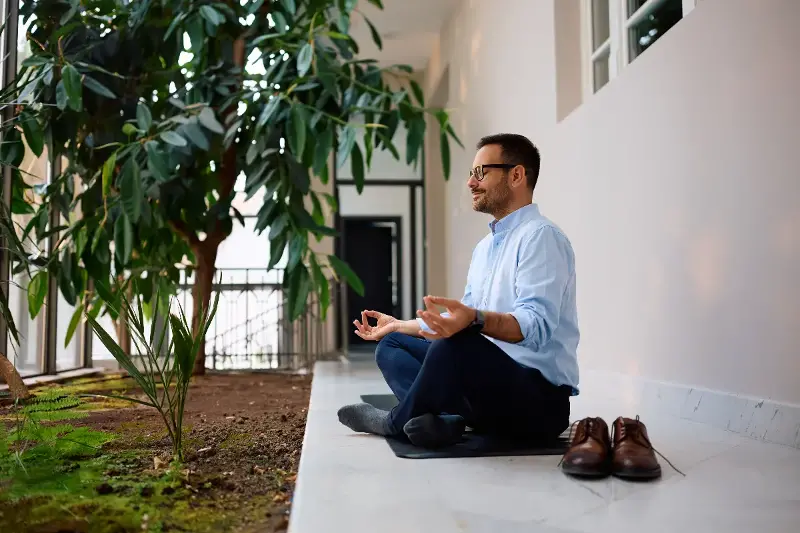
- Practice Mindfulness: Meditation boosts your attention span, helping you filter out digital distractions.
FINDING BALANCE: WHY BOTH KINDS OF FITNESS MATTER
Focusing solely on physical workouts is like training your biceps while completely neglecting your core. For genuine wellness, physical and mental fitness must go hand-in-hand. Research shows that combining aerobic exercise with cognitive activities—like dance or coordination drills—yields much greater health dividends than focusing on just one approach.
A strong body helps circulate oxygen-rich blood to the brain, while a fit mind empowers motivation, goal-setting, and the willpower you need to stick with your goals. True health is about thriving entirely. Do not leave your brain on the sidelines—challenge it, cherish it, and watch your total well-being reach a new level.