


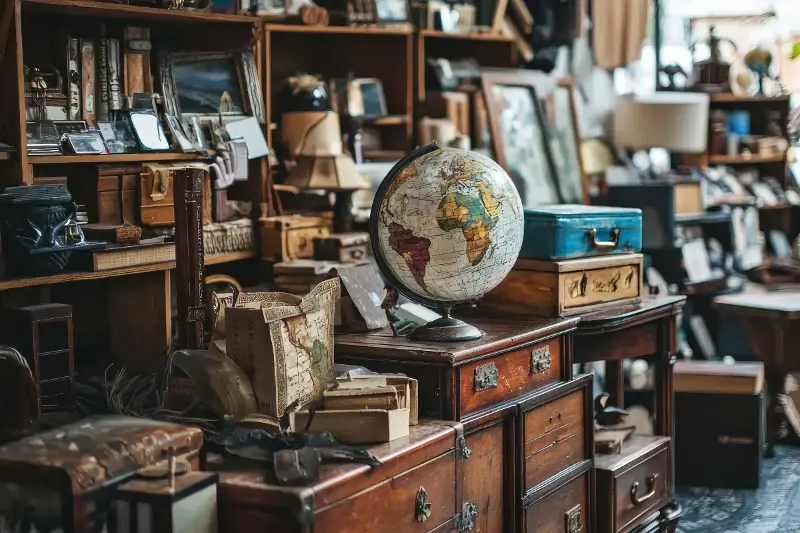
Once dismissed as old-fashioned clutter, vintage collectibles are enjoying a remarkable revival. From vinyl records and retro toys to mid-century glassware and classic video games, objects once packed away in attics are finding enthusiastic new audiences. This comeback is fueled by online marketplaces, vibrant social communities, and a growing interest in sustainable, character-rich living.
Instead of mass-produced goods, collectors seek pieces with personality, history, and limited availability. A scratched record sleeve, a hand-painted ceramic vase, or a well-loved action figure often feels far more meaningful than anything fresh from a store shelf.
Why Nostalgia Has Become Valuable
Nostalgia is one of the strongest forces driving the vintage boom. Adults frequently collect items linked to their childhood, teenage years, or family memories:
-
Analogue Audio: Vinyl records have seen a dramatic rise in popularity. Collectors value physical album artwork, tangible ownership, and the warm, authentic sound of analogue playback.
-
Retro Culture: Media, comic books, trading cards, and early gaming consoles from the 1980s and 1990s are now prized pop-culture artifacts.
-
Sentimental Decor: Vintage kitchenware, colorful glassware, and classic advertising tins bring nostalgic warmth into modern homes, turning everyday objects into engaging conversation starters.
The Thrill of the Hunt
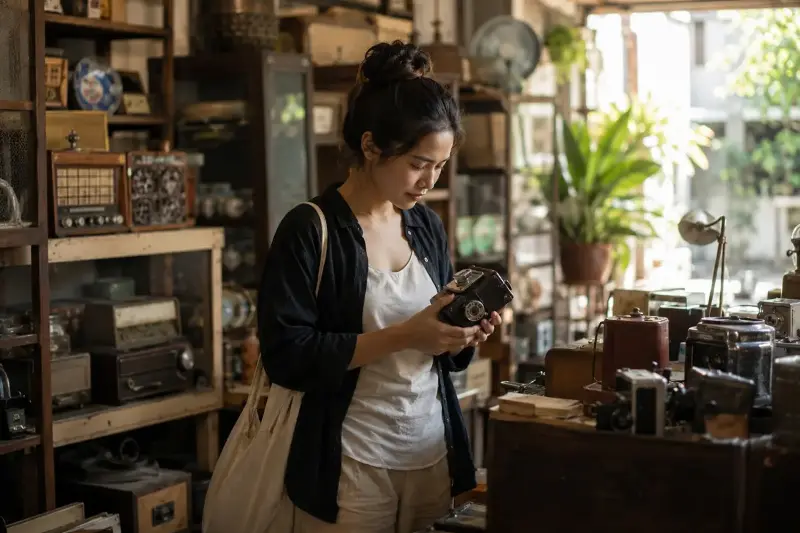
Part of collecting’s enduring appeal is the exciting search itself. Rare treasures can appear at flea markets, thrift shops, estate auctions, or online listings when least expected.
Collectors take pride in learning how to identify maker marks, production dates, and subtle details that separate ordinary items from rare finds. While pristine original packaging significantly boosts value, even worn items hold deep appeal if few examples survive today. Original boxes, manuals, and receipts all help verify authenticity while preserving a piece of history.
Design Classics Returning Home
Vintage furniture and decorative arts have transitioned from niche antique shops into mainstream interior design. Mid-century modern design—celebrated for its clean lines, organic shapes, and functional elegance—remains particularly popular.
-
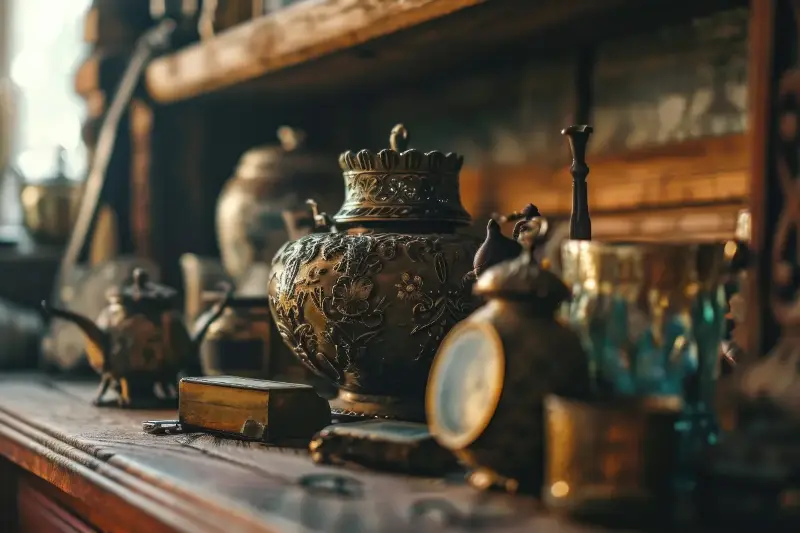
Timeless Materials: Teak sideboards, chrome lighting fixtures, rattan chairs, and vibrant 1960s glassware bring distinct character to modern rooms.
-
Eclectic Styling: Decorators often blend older treasures with contemporary furnishings, using a single vintage lamp or mirror as an eye-catching focal point.
-
Quality & Construction: Unmarked vintage pieces built from solid wood or heavy glass often outlast modern flat-pack alternatives, making them both beautiful and practical investments.
The Sustainability Advantage
Collecting vintage aligns naturally with eco-friendly choices and conscious consumerism. Buying second-hand extends the life of quality items that might otherwise end up in landfills:
-
Built to Last: Older furniture and home goods were crafted from durable, long-lasting materials designed for decades of use.
-
Restoration Potential: Cleaning a faded leather bag, refinishing a wooden cabinet, or servicing a mechanical watch restores usability while preserving historical charm.
-
Curated Living: Focusing on a small group of meaningful, cherished objects creates a thoughtful, personal space without unnecessary clutter.
Smart Collecting Starts with Curiosity
Beginning a collection does not require a massive budget. Vintage postcards, retro paperbacks, costume jewelry, old maps, and local memorabilia offer affordable entry points.
Focus on personal interests—whether that means music, fashion, cinema, sports, or interior design. Research sold prices rather than asking prices, examine photos carefully, and prioritize items that bring genuine joy. The true magic of vintage collectibles lies in their ability to preserve memories, celebrate craftsmanship, and tell a story that stands the test of time.