


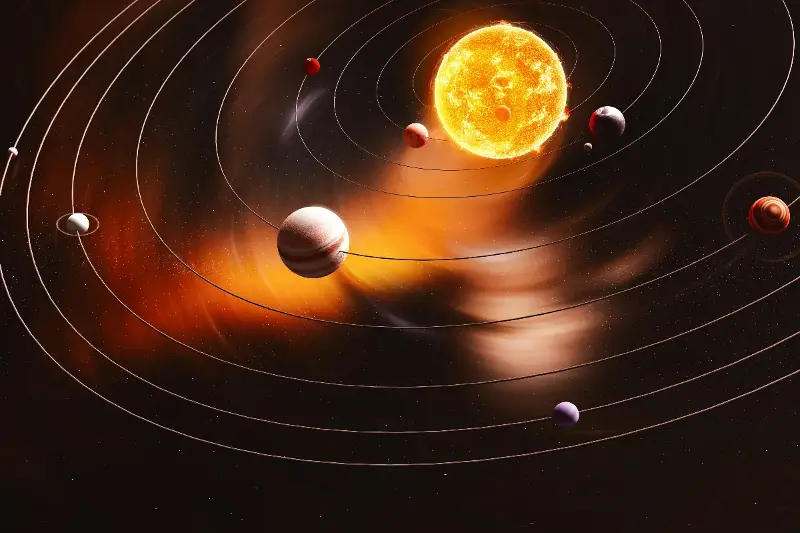
Our solar system is a cosmic wonderland that has fascinated humans for centuries, offering endless intrigue and beautiful mysteries. Each planet brings something truly spectacular to the galactic table, from swirling atmospheric patterns and unique rotation speeds to brilliant ring systems and hidden subterranean oceans.
Join us on a fascinating journey through our sun’s magnificent family of planets and discover unique, surprising facts about each of these celestial neighbors.
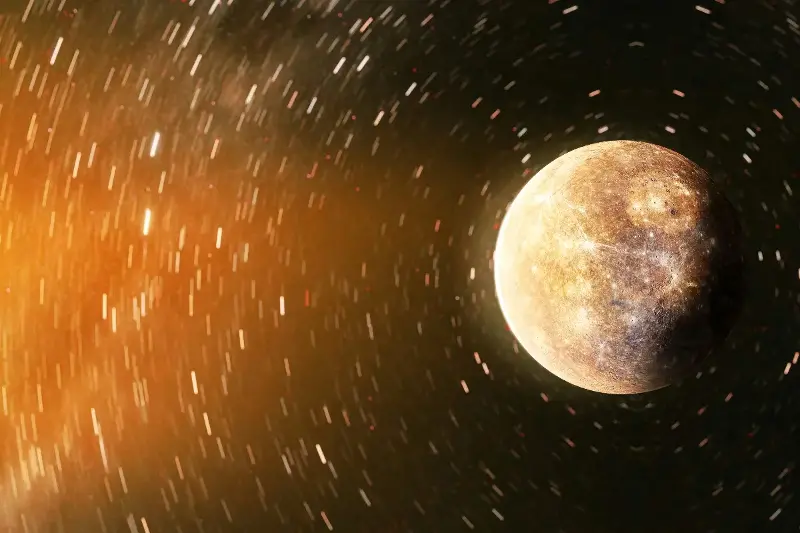
MERCURY: THE SPEEDY SURVIVOR
Mercury sits closest to the sun and races through space at nearly 48 kilometers per second, making it the fastest planet in our solar system. Despite its proximity to our star, Mercury experiences some of the most dramatic temperature shifts in space:
- Daytime temperatures: Soar up to 430°C in direct sunlight.
- Nighttime temperatures: Plunge down to a frosty -180°C due to its lack of a thick atmosphere.
This tiny world is also known for its dramatic surface features. Giant cliffs, called scarps, stretch for hundreds of kilometers across the terrain. Additionally, Mercury’s year lasts just 88 Earth days, but its rotation is so unique that a single day—from sunrise to sunrise—takes about 176 Earth days!
VENUS: THE REVERSE SPINNING GEM
Venus often shines as the brightest object in our night sky. It is almost the exact same size as Earth, which is why it is frequently called our planetary twin.
Venus features a remarkably powerful atmosphere packed with carbon dioxide, creating a runaway greenhouse effect that keeps its surface temperatures consistently hot enough to melt lead. What is even more intriguing is that Venus spins backward compared to most other planets. On Venus, the sun rises in the west and sets in the east, and it rotates so slowly that a single day lasts longer than its entire year.
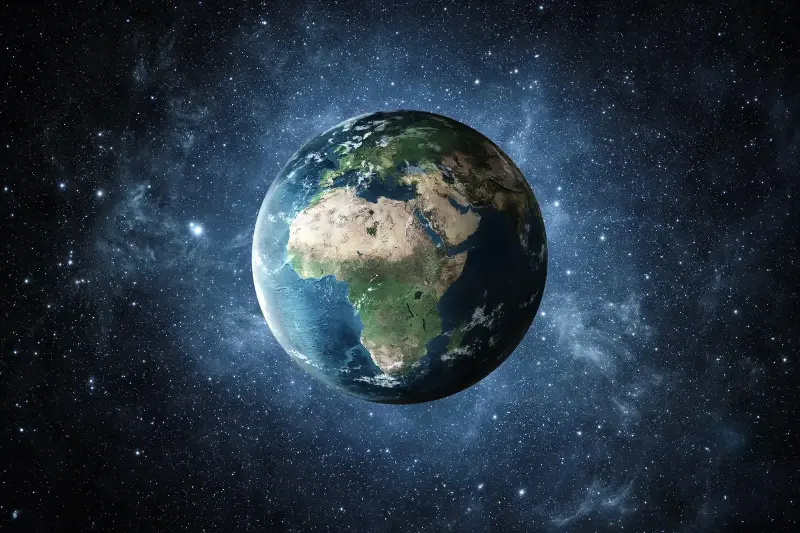
EARTH: OUR SHINING BLUE MARBLE
Earth, uniquely blessed to support a thriving biosphere, is wrapped in a protective atmosphere, filled with vast water systems, and vibrant with life. It is the only place we know of with magnificent dynamic weather patterns and a protective magnetic field.
One delightful fact is that Earth’s atmosphere scatters sunlight in just the right way to create stunning blue skies and sunsets that glow in breathtaking colors. Continuous geological movements keep our planet's surface beautifully dynamic, shaping fresh habitats for millions of species.
JUPITER: THE GAS GIANT
Jupiter is the undisputed heavyweight of our solar system, packing more mass than all the other planets combined. Its atmosphere is a beautiful tapestry of colorful stripes and swirls, driven by powerful winds.
Jupiter’s most famous feature is the Great Red Spot, a counter-clockwise swirling storm larger than Earth that has been observed for centuries. With at least 95 known moons, Jupiter functions like a miniature solar system, drawing constant scientific admiration.
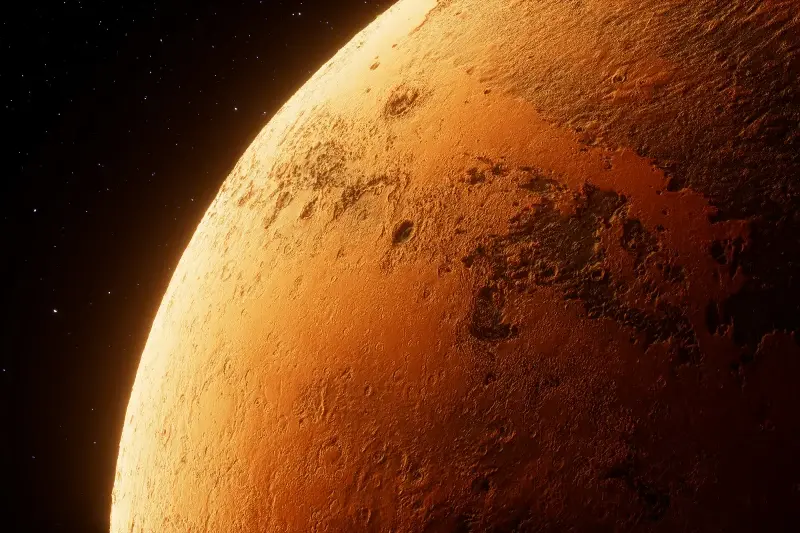
MARS: THE RUSTY RED WONDER
Mars owes its famous reddish hue to iron oxide, or rust, covering its rocky surface. It is more Earth-like than any other planet in our solar system and hosts some truly record-breaking geographic features:
- Olympus Mons: The largest volcano in the solar system, standing three times taller than Mount Everest.
- Valles Marineris: A magnificent canyon system running for over 4,000 kilometers.
Mars continues to be a prime interest for future exploration as scientists look for clues about its ancient history.
SATURN: THE RINGED JEWEL
Saturn is truly the crown jewel of our night sky, famous for its spectacular ring system that stretches up to 282,000 kilometers wide. Amazingly, these rings are exceptionally thin, often measuring only a few dozen meters thick, and are composed primarily of glittering ice and rock particles.
Saturn is so light for its massive size that its overall density is less than water. Its largest moon, Titan, is actually bigger than the planet Mercury and possesses a thick, fascinating atmosphere of its own.
URANUS: THE TILTED MYSTERY
Uranus is affectionately known as the sideways planet because it rolls along its orbital path with an extreme tilt of 98 degrees. This unique orientation leads to extraordinary planetary seasons that last more than 20 Earth years each. Its beautiful aquamarine color is caused by methane gas in the atmosphere, which absorbs red light and reflects a serene blue hue.
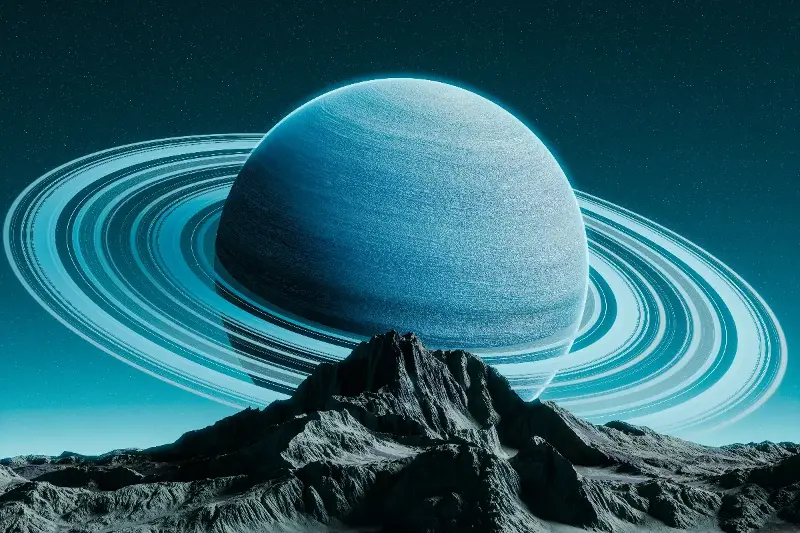
NEPTUNE: THE WINDY BLUE GIANT
Neptune, sitting furthest from the sun, is a vivid blue world that experiences the strongest winds in the solar system, reaching speeds of over 2,000 kilometers per hour. Its dynamic atmosphere features large, dark storms. Neptune's remarkable moon, Triton, is also a point of fascination, featuring active geysers that erupt material out into the cosmic vacuum, hinting at a warm, active interior.