



A car rarely fails because of one dramatic mistake. More often, its lifespan is shortened by small daily habits that seem harmless at the time. Skipping a quick inspection, driving with low tire pressure, or ignoring an unusual sound can gradually turn a reliable vehicle into an expensive repair project. The encouraging news? Many of these damaging habits are easy to change once drivers understand what is happening beneath the bodywork.
Ignoring Dashboard Warning Lights
Modern vehicles are designed to alert drivers before minor issues escalate into major failures. Yet many drivers continue driving after a dashboard light appears, especially when the car feels normal.
Key warning indicators requiring prompt attention include:
- Oil Pressure Light: Signals insufficient lubrication. Driving with low oil pressure can cause severe internal engine damage within minutes.
- Temperature Warning Light: Indicates engine overheating, which can warp cylinder heads and damage gaskets.
- Check Engine & Battery Lights: Early indicators of electrical, sensor, or emission system anomalies.
Pulling over safely, switching off the ignition, and arranging an inspection saves thousands in potential repairs.
Stretching Oil Changes Too Far
Engine oil reduces friction, dissipates heat, and suspends harmful contaminants. Over time, heat and stress break oil down, making it less effective—especially during frequent short trips or extreme weather.
- Avoid outdated rules: Do not rely on fixed mileage intervals for every vehicle.
- Follow manufacturer specs: Modern vehicles use advanced synthetic blends designed for specific intervals.
- Prevent engine sludge: Delayed oil changes cause thick deposits to build up, restricting oil flow and accelerating internal wear.
Running Tires with Incorrect Pressure
Tires are your vehicle’s only direct connection to the road, impacting safety, fuel efficiency, and suspension health.
- Underinflated tires flex excessively, creating extra heat, wearing down the outer tread edges, and degrading fuel economy.
- Overinflated tires reduce traction, wear heavily through the center, and create a harsh, uncomfortable ride.
Check tire pressure at least once a month when tires are cold. Always use the recommended PSI printed on the driver’s door frame label, not the maximum pressure stamped on the tire sidewall.

Braking Harshly and Accelerating Aggressively
Aggressive driving places unnecessary stress on multiple vehicle components simultaneously:
- Hard Acceleration: Increases fuel consumption while straining the engine, transmission, driveshafts, and tires.
- Sudden Braking: Rapidly overheats brake pads and rotors, causing premature wear and potential disc warping.
Adopting a smooth driving style—looking further ahead, easing off the accelerator early, and maintaining safe follow distances—dramatically extends component lifespan and boosts fuel efficiency.
Letting Short Trips Dominate
Frequent five-minute drives prevent the engine from reaching its optimal operating temperature.
- Moisture and fuel vapor accumulate in the oil rather than evaporating.
- The battery lacks sufficient time to recharge after starting.
- Exhaust systems retain moisture, encouraging internal corrosion.
Whenever possible, combine multiple errands into a single longer trip to allow systems to reach peak working temperatures.
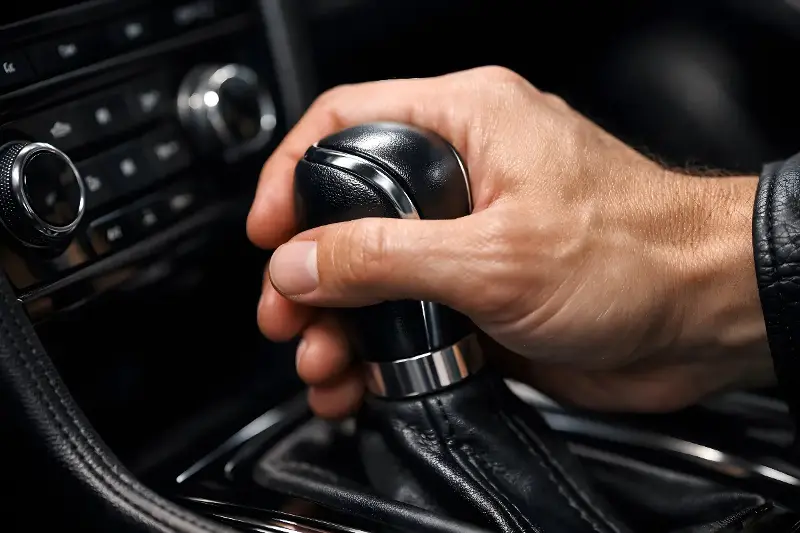
Resting Hands or Shifting Carelessly
Driver interaction habits directly influence transmission longevity:
- Manual Transmissions: Resting your hand on the gear lever exerts constant light pressure on internal selector forks, hastening gearbox wear. Keep both hands on the wheel after shifting.
- Automatic Transmissions: Shifting from Reverse to Drive while the vehicle is still rolling shocks internal gears. Always come to a complete stop before switching direction.
Neglecting Vital Fluids and Filters
Engine oil is crucial, but complete vehicle health requires monitoring other essential fluids and filters:
- Coolant: Prevents overheating and protects internal cooling passages from corrosion.
- Brake Fluid: Absorbs moisture over time, reducing stopping power if left unserviced.
- Air & Cabin Filters: Clogged engine filters restrict airflow, while dirty cabin filters impair climate control and air quality.
Treating Strange Noises as Background Sound
Cars communicate through distinct sounds, vibrations, and scents:
- Squealing or Grinding: Indicates worn brake pads or slipping belts.
- Rhythmic Knocking: Points toward suspension looseness or internal engine wear.
- Sweet or Burning Smells: Suggest coolant leaks, overheating brakes, or electrical issues.
Addressing early symptoms right away ensures minor adjustments do not turn into major structural repairs. Driving with mechanical sympathy preserves vehicle performance, protects resale value, and keeps your ride dependable for years to come.