


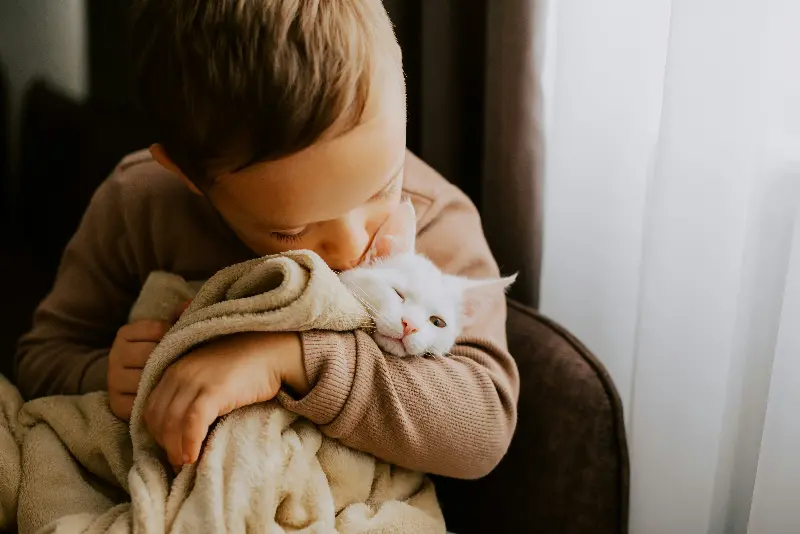
Welcoming a furry, feathery, or even scaly friend into the family is more than just an exciting milestone for children. It’s also the opening note in a lifelong symphony of empathy, compassion, and emotional growth.
While parents often focus on the fun and responsibility pets bring, science tells us these early experiences can etch deep grooves of kindness and understanding into a child’s heart. A child’s relationship with animals weaves essential threads into the fabric of who they become, teaching lessons that matter far more than we might realize.
THE POWER OF EARLY BONDS
The relationship between children and pets isn’t just about the cuddles or excited tail wags at the end of a school day. Research confirms that kids who grow up around animals often display higher levels of empathy than their peers.
At its core, animal-human connections offer children a safe and unconditional avenue to explore emotions. For a child, a pet is a non-judgmental companion.
- Validation: When a dog tilts its head in concern or a cat curls up next to an upset child, it sends a powerful message: your feelings matter.
- Caregiving: Kids learn that their actions—a gentle touch, kind words, or timely feeding—directly impact another’s well-being.
- Emotional Literacy: These daily acts plant the seeds for understanding the needs of others, fostering a sensitivity that lasts for years.
LESSONS IN RESPONSIBILITY AND RESPECT
Many parents introduce pets hoping to teach practical life skills, but the psychological benefits run much deeper. Because pets rely entirely on their caregivers, they invite kids to step outside their own universe and consider the perspective of another being.
These moments—remembering to scoop a litter box or noticing when a fish needs a cleaner tank—teach respect for boundaries. Children learn that:
- Not all beings communicate the same way.
- Patience is a required virtue.
- Mistakes are opportunities for growth, not just failures.
EMPATHY’S RIPPLE EFFECT
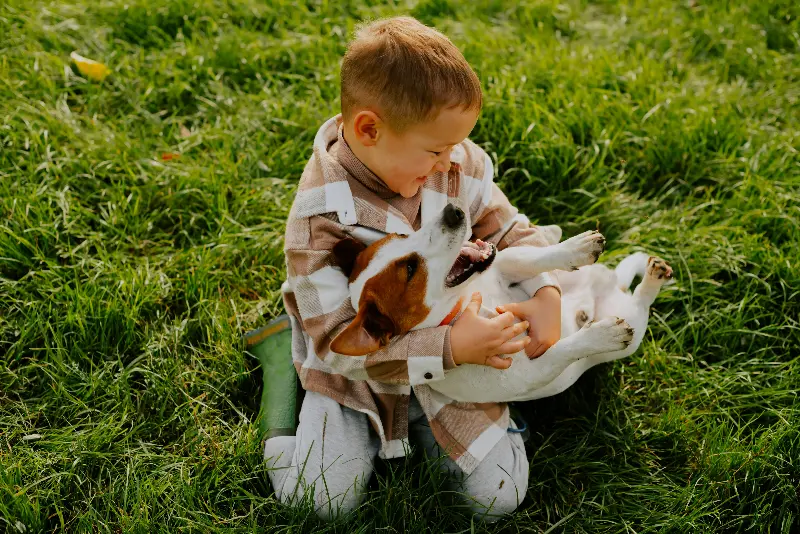
What begins as empathy toward animals often ripples outward to shape a child’s social world. Neuroscientific research reveals that empathy is like a muscle—the more it is used, the stronger it becomes.
Interactions with pets provide repeated opportunities to notice nonverbal cues. Recognizing when a dog is anxious or a bird is content is a subtle social skill that translates directly into reading human emotions. For shy or anxious children, pets act as emotional bridges, helping them gain the confidence needed to connect with their peers.
LIFELONG BENEFITS INTO ADULTHOOD
The habits shaped by these early connections often persist well into maturity. Adults who had positive pet experiences as children are generally:
- More Attuned: They are quicker to notice the needs of those around them.
- Collaborative: They often perform better in team environments.
- Resilient: The routine of caring for another helps develop superior coping strategies for stress.
Intriguingly, those who nurtured animals in their formative years are frequently drawn to helping professions—such as nursing, teaching, or counseling. The act of looking after another species normalizes giving and sacrifice without the expectation of a reward.
DIVERSITY IN COMPASSION
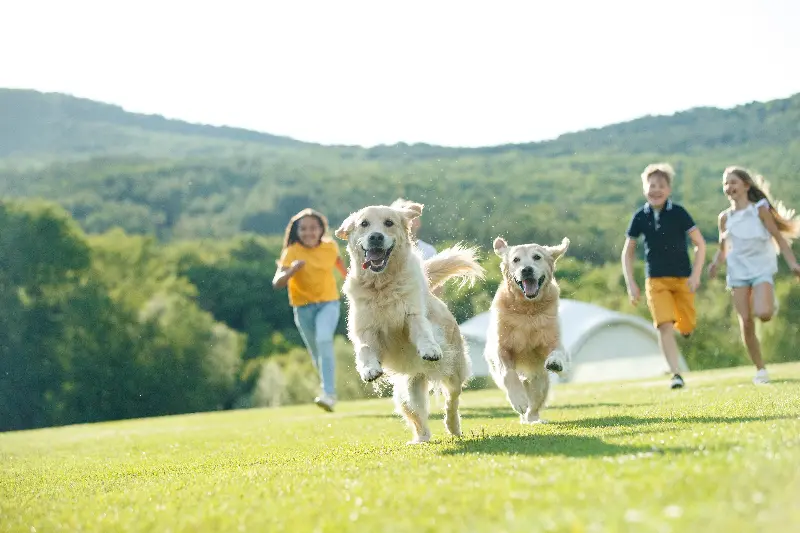
Empathy isn’t solely born from cuddling a dog. The animal kingdom offers a vast array of teachers:
- Reptiles and Small Mammals: Caring for a bearded dragon or a rabbit helps children appreciate different temperaments and unique methods of communication.
- Global Perspective: This translates into a broader worldview, encouraging open-mindedness and respect for diversity among people.
- Environmental Stewardship: Caring for a pet often sparks a lifelong passion for wildlife conservation and the natural world.
A LEGACY OF KINDNESS
There’s genuine magic in the simple companionship between children and pets. Beyond the joyful games of fetch, these relationships are quietly sculpting the next generation’s hearts and minds. By guiding children in compassionate care, families are investing in a future where empathy is instinctive and kindness becomes second nature. It is a legacy truly worth celebrating—one paw, wing, or scale at a time.