


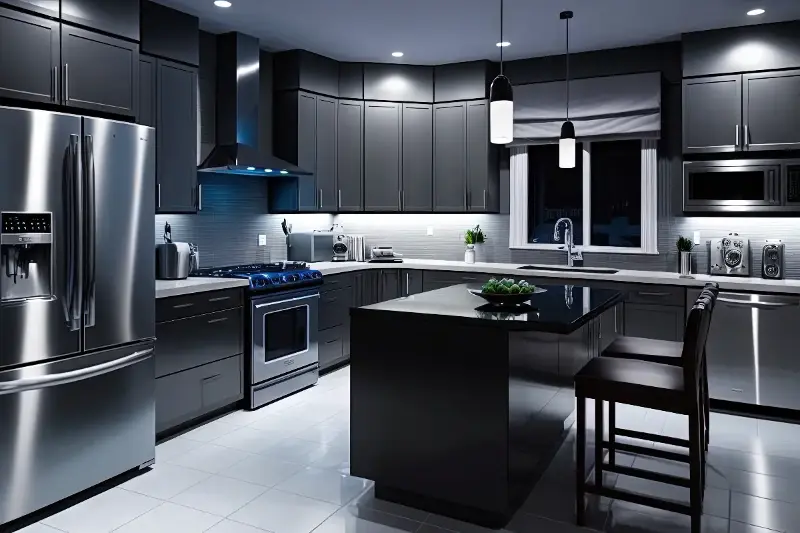
Choosing sustainability in our daily lives often begins with the tools we use most—our home appliances. From the refrigerator in the kitchen to the washer in the laundry room, every choice we make significantly impacts both our energy bills and the environment. Picking energy-efficient appliances is a practical way to shrink our carbon footprint while enjoying state-of-the-art technology and comfort. With a wide variety of options available, making the right choice for your household is simpler than you think.
UNDERSTANDING ENERGY LABELS
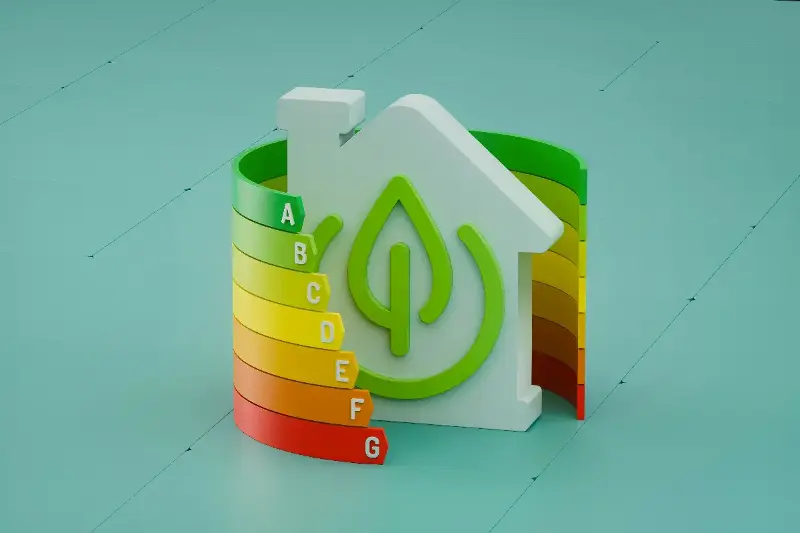
The first step in choosing sustainable appliances is learning to interpret energy labels. In many regions, you will see ratings such as Energy Star or regional efficiency stickers, which provide a quick visual guide to performance.
These labels do more than just rate power usage; they often provide:
- Estimated annual operating costs.
- Performance comparisons with similar models.
- Water or energy consumption metrics.
Recognizing these top performers is key. For example, high-rated refrigerators are often significantly more efficient than standard federal baselines. Over the lifespan of an appliance, these small efficiency gains add up, leading to substantial savings for your wallet and a meaningful reduction in global emissions.
DECODING APPLIANCE FEATURES
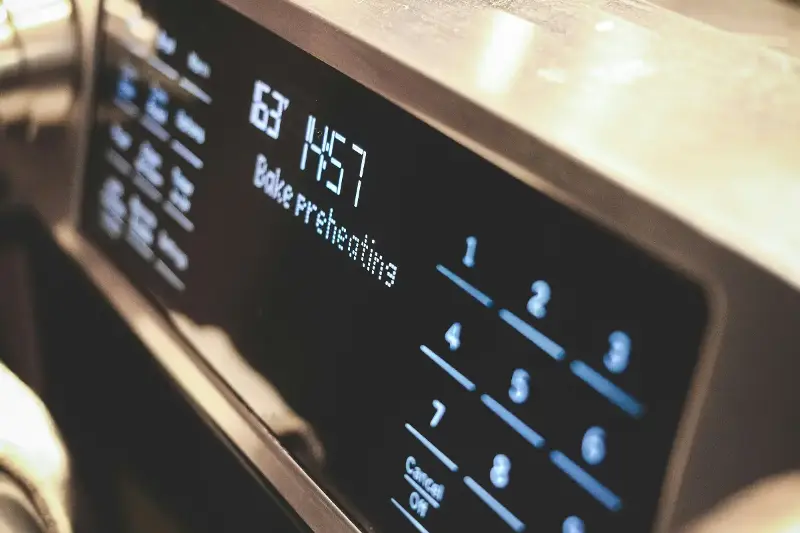
It is tempting to choose appliances packed with gadgets, but efficiency is often found in thoughtful features. Look for technology that adapts to your routine rather than running at full capacity constantly.
Consider these high-efficiency staples:
- Smart settings: Programmable timers and eco-modes allow appliances to run during off-peak hours.
- Sensors: Moisture sensors in dryers or half-load options in dishwashers prevent unnecessary water and power waste.
- Advanced heating: Induction stovetops are significantly more efficient than conventional electric models because they heat the cookware directly, wasting no energy on the surrounding air.
EVALUATING SIZE, NOT JUST STYLE
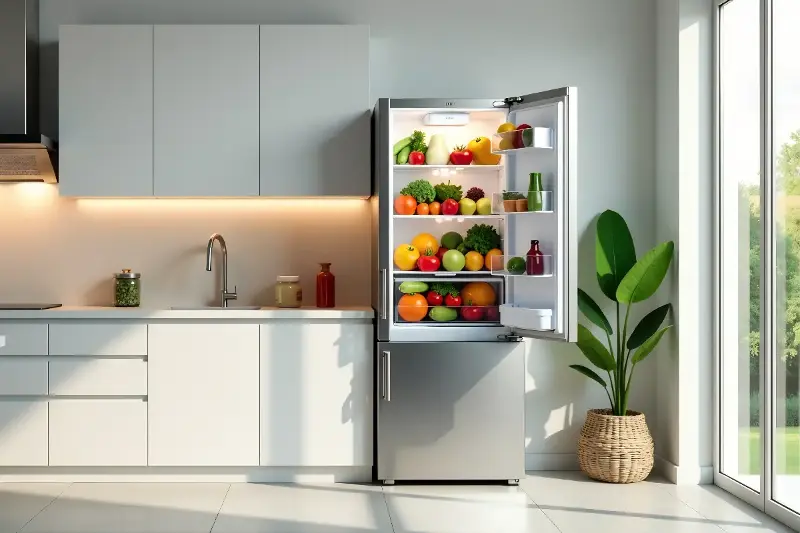
It is easy to fall for the biggest, most stylish appliance on the showroom floor, but size matters for sustainability. A larger unit will always use more power, even if it is energy-efficient, due to its increased capacity.
- Match your needs: A compact washer may save more water and electricity for a two-person household than a family-sized unit.
- Room compatibility: For air conditioners, power ratings must match the room size. An undersized unit works too hard, while an oversized one cycles on and off inefficiently. Always consult sizing charts to ensure the perfect fit.
LOOKING BEYOND UPFRONT COSTS
A common hurdle is the higher price tag that often accompanies high-efficiency models. However, focusing solely on the purchase price can be misleading. The true cost includes the total operating expenses over the years you own the item.
High-efficiency models frequently pay for themselves within just a few years through lower monthly utility bills. Furthermore, many governments and utility companies offer rebates and tax credits for switching to greener options, making that eco-friendly upgrade far more affordable than it appears at first glance.
DISPOSAL AND RECYCLING: CLOSING THE LOOP
Sustainability continues after you unplug your old unit. Responsible disposal is essential to protect the environment.
- Take-back programs: Many retailers offer programs to recycle old units, ensuring hazardous materials are handled safely.
- Donations: If your old appliance is still in good working condition, consider donating it to a local charity. This keeps usable goods out of the waste stream and supports your community.
LIFESTYLE ADJUSTMENTS FOR MAXIMUM IMPACT
An energy-efficient appliance is just the start; how you use it makes a lasting difference. Simple daily habits can dramatically reduce your household consumption:
- Wash laundry in cold water whenever possible.
- Use “eco” cycles on your dishwasher and perform routine maintenance, such as cleaning dryer filters, to ensure peak efficiency.
- Utilize smart home integration to monitor usage and automatically shift operations to off-peak hours.
Choosing energy-efficient appliances is a vote for a healthier planet. By decoding labels, rightsizing your equipment, and practicing mindful usage, you contribute to a powerful wave of positive change—one appliance at a time.