


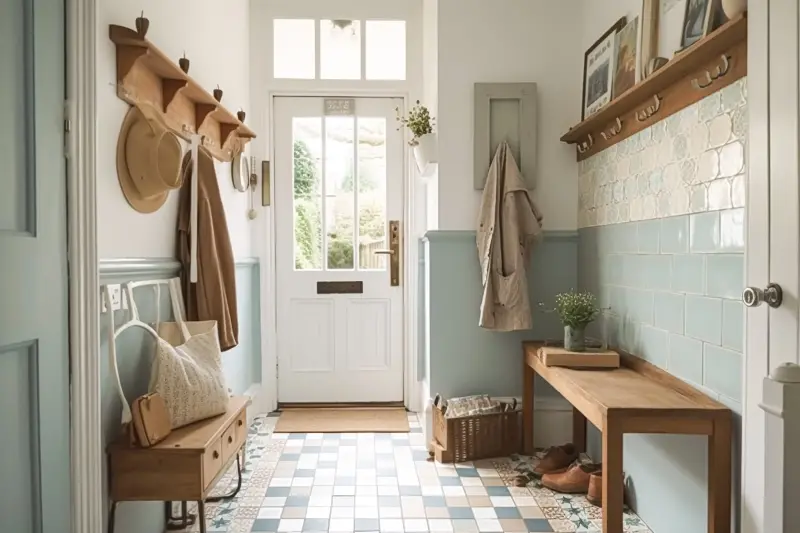
A home is much more than four walls and a roof. It is a personal sanctuary—a place we return to for comfort, safety, and reprieve from the bustle of the outside world. But what if your home could do more? What if it could actively promote better health, soothe your senses, and help you recover from the stresses of daily life?
Welcome to the world of wellness architecture, where creating a healing home is both an art and a science. Here are the key factors that can transform any living space into a true haven for healing.
1. NATURAL LIGHT AND AIR: LETTING WELLNESS FLOW IN
One of the most fundamental elements for a healing home is access to natural light and fresh air. Studies have repeatedly shown that sunlight boosts mood by increasing serotonin levels and helps regulate our circadian rhythms, directly improving sleep quality.
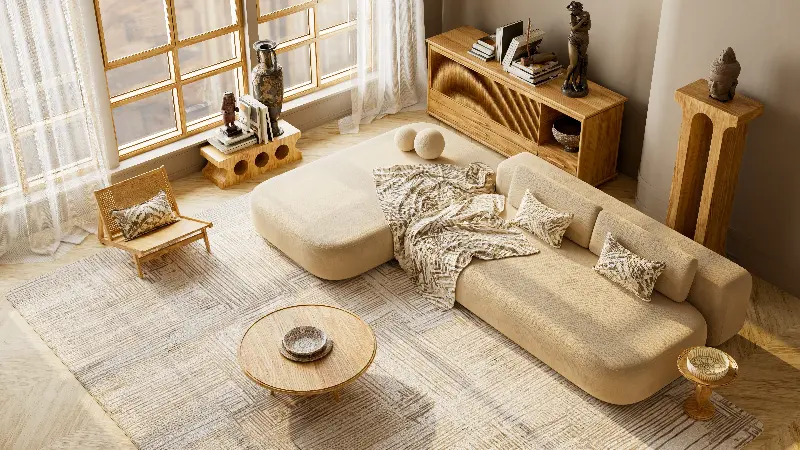
To maximize these benefits, consider the following:
- Light Access: Utilize large windows, glass doors, and skylights to illuminate spaces and create a connection to the outdoors.
- Air Purity: A steady flow of fresh air reduces the concentration of indoor pollutants, such as volatile organic compounds (VOCs) emitted by synthetic materials.
- Proactive Filtration: Incorporate air purifiers with HEPA filters and ensure rooms are ventilated daily to support respiratory health.
2. BIOPHILIC DESIGN: BRINGING NATURE INDOORS
Biophilic design is more than just having a few potted plants in the living room; it is about weaving natural elements throughout your home to create a continuous bond with the natural world. Research suggests that integrating nature into interior spaces reduces stress and lowers blood pressure.
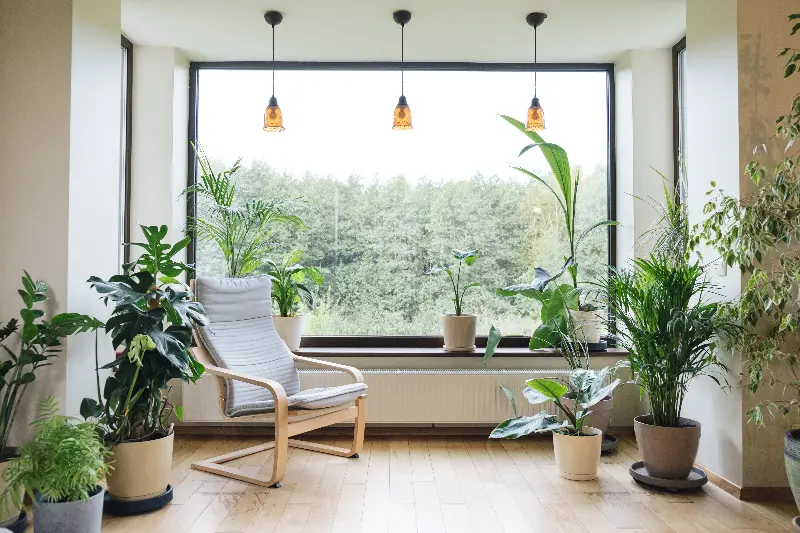
You can incorporate nature’s calming influence through:
- Organic Materials: Use wooden floors, stone finishes, and natural fibers like wool or linen.
- Water Features: Indoor fountains provide both visual beauty and soothing auditory cues.
- Natural Imagery: Even artwork featuring landscapes or botanical prints can trigger a relaxation response.
- Vertical Greens: For limited spaces, living green walls or rooftop terraces provide a lush, restorative escape.
3. ACOUSTIC COMFORT: QUIET MATTERS MORE THAN YOU THINK
The sounds that fill our homes can either heal or hinder us. Chronic exposure to unwanted noise—from household appliances to urban traffic—can elevate stress levels. In contrast, acoustic comfort creates an environment where the mind can truly unwind.

Soft furnishings are your best allies in noise reduction. Consider adding plush rugs, heavy curtains, and upholstered furniture to help dampen echoes. Additionally, soundscaping—the deliberate addition of soothing sounds like white noise machines or trickling water—is gaining popularity as a way to promote rapid relaxation and improve cognitive function.
4. MINDFUL LAYOUT AND FLOW: DESIGN THAT NURTURES THE SOUL
The way furniture and rooms are arranged shapes how you move and feel within your space. Thoughtful zoning—creating distinct areas for cooking, working, and relaxing—helps support daily routines and provides mental cues for switching between activities.
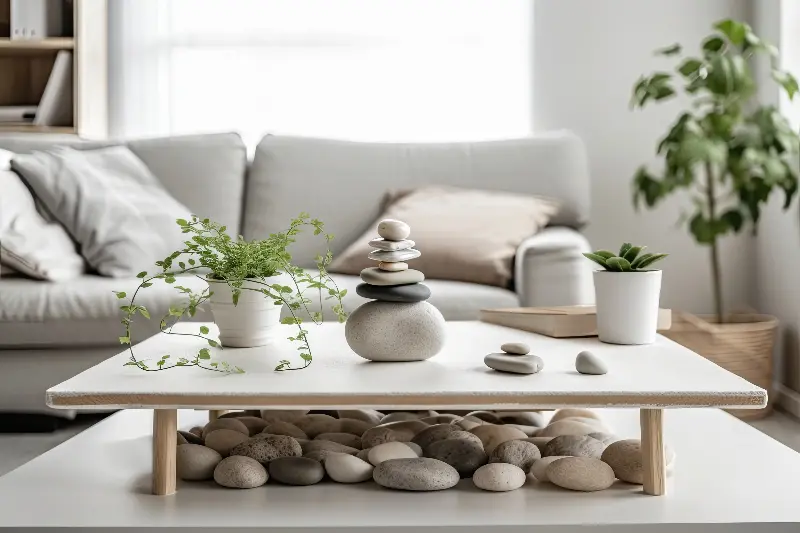
A healing layout often focuses on:
- Clutter Reduction: Introducing smart storage solutions to minimize visual noise.
- Intuitive Navigation: Ensuring spaces have clear sightlines and gentle curves rather than sharp, cramped corners.
- Emotional Movement: Inspired by practices like Feng Shui or Wabi-sabi, harmony in the arrangement of space is vital for nurturing inner peace and happiness.
5. PERSONAL TOUCHES AND EMOTIONAL SAFETY
A house turns into a home when it reflects your story and feels emotionally safe. Research suggests that personalized environments—whether through family photos or favorite colors—make us feel more secure. Psychological comfort is just as important as physical comfort for healing.

Create spaces that respect your emotional needs:
- Meditation Nooks: Dedicate a small corner for reflection or reading.
- Sensory Comfort: Use textures you love, soft lighting in the evenings, and calming scents from essential oil diffusers.
- Adaptability: Ensure your space can shift as your life changes, providing a sense of agency and control.
A healing home is not a luxury; it is a deliberate choice. By combining these factors, anyone can cultivate a living space that doesn’t just shelter the body but actively nourishes the spirit. Every mindful change you make is a direct investment in your long-term well-being.