


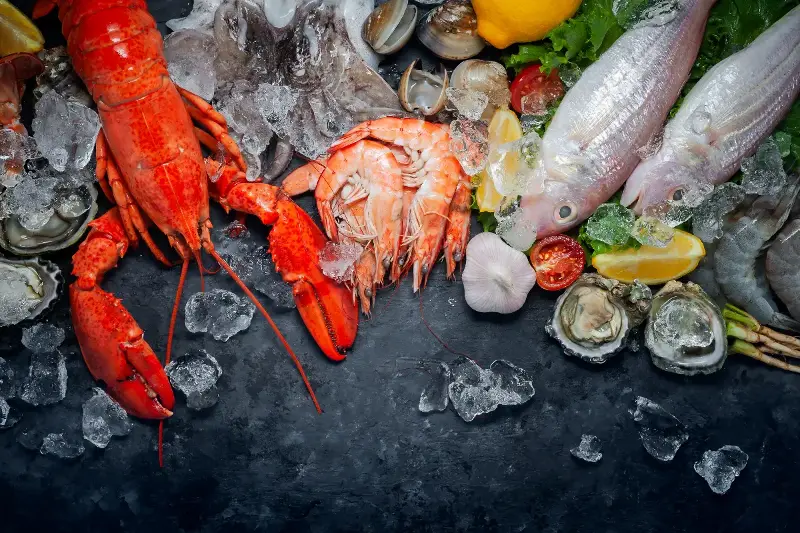
The allure of fresh seafood is hard to beat, whether it’s the briny sweetness of oysters, the delicate flavor of scallops, or the rich succulence of a perfectly cooked salmon steak. Making magic happen in the kitchen, however, takes more than just good ingredients—it requires the mastery of essential techniques.
Professional chefs rely on specific skills to coax the best from their catch. By adopting these chef-tested secrets, home cooks can transform a simple piece of fish into a sophisticated coastal feast.
Selecting Seafood Like A Chef
The journey to a world-class dish begins long before the stove is fired up. Freshness is the non-negotiable foundation of seafood cookery.
- Visual Cues: When shopping for whole fish, look for bright, clear eyes and shiny, metallic skin.
- The Scent Test: Seafood should smell like a clean ocean breeze, not "fishy" or like ammonia.
- Shellfish Vitality: Tap on live clams or mussels; if they don’t snap shut, they aren't fresh.
- Shrimp Quality: Opt for shrimp still in their shells and avoid any with black spots or a slimy texture.
Choosing responsibly-sourced fish is also a professional secret; sustainable choices help protect ocean stocks and often provide superior flavor due to better handling practices.
The Art Of Prep: Scaling, Filleting, And Cleaning
Preparation is where the "wow" factor is built. Attention to detail at this stage ensures a clean, sweet flavor in every bite.
- Scaling and Skin: Scaling a fish keeps the texture delicate, while leaving the skin intact often helps keep fillets moist during high-heat cooking.
- The Right Tools: A sharp, flexible filleting knife is indispensable for removing bones with minimal waste.
- Shellfish Maintenance: Mussels must be scrubbed and "de-bearded". Scallops often have a tough side muscle that should be trimmed away, and shrimp benefit from careful deveining.
Mastering Timing And Temperature
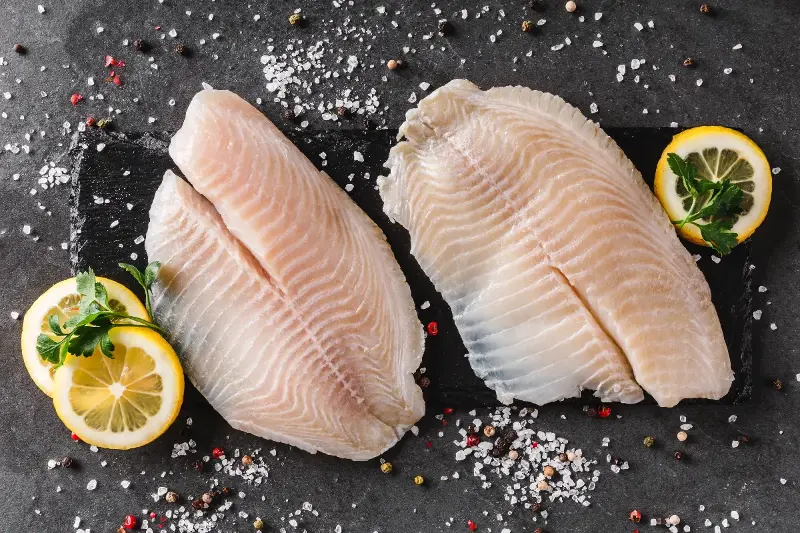
Cooking seafood is a game of precision, not guesswork. Because fish contains less connective tissue than beef, it cooks rapidly and can dry out in seconds.
- The Perfect Internal Temp: A salmon fillet is ideal at 120–125°F (49–52°C) for medium-rare.
- Visual Markers: Shellfish turn opaque and firm up the moment they are done—clams and mussels will "pop" open, and shrimp will curl into a "C" shape.
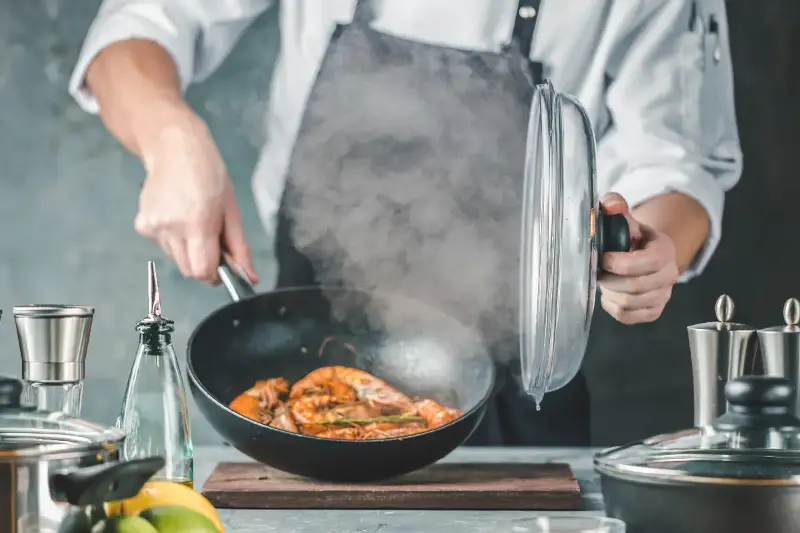
- Gentle vs. Intense Heat: Poaching in an aromatic broth maintains incredible moisture for lean fish like cod. Conversely, searing provides a caramelized crust. To prevent sticking, always brush both the fish and the grill with oil and ensure the surface is piping hot.
Simple Seasonings For Big Impact
The best chefs know when to step back and let the ingredient speak. Simplicity is the ultimate sophistication in seafood.
- The Essentials: Lemon, fresh herbs (like dill or tarragon), sea salt, and high-quality olive oil are often all you need.
- The Acid Touch: A brief marinade in citrus can invigorate freshness, but be careful—too much time in acid will "cook" the fish (as seen in ceviche).
- Compound Butters: Try melting a butter flavored with citrus zest or garlic over a hot fillet for an instant gourmet finish.
Plating And Presentation
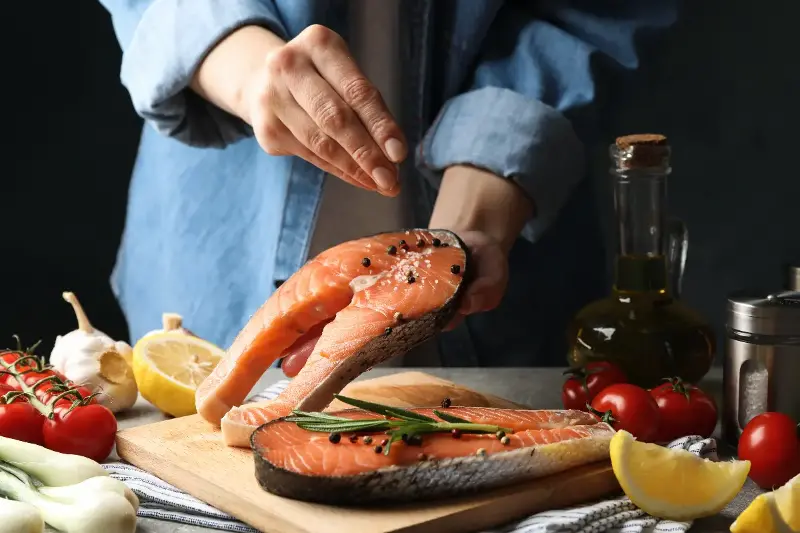
We eat with our eyes first. Professional plating elevates the dining experience from a meal to an event.
- Layering: Plate your seafood over a bed of vibrant vegetables or grains that can soak up the flavorful juices.
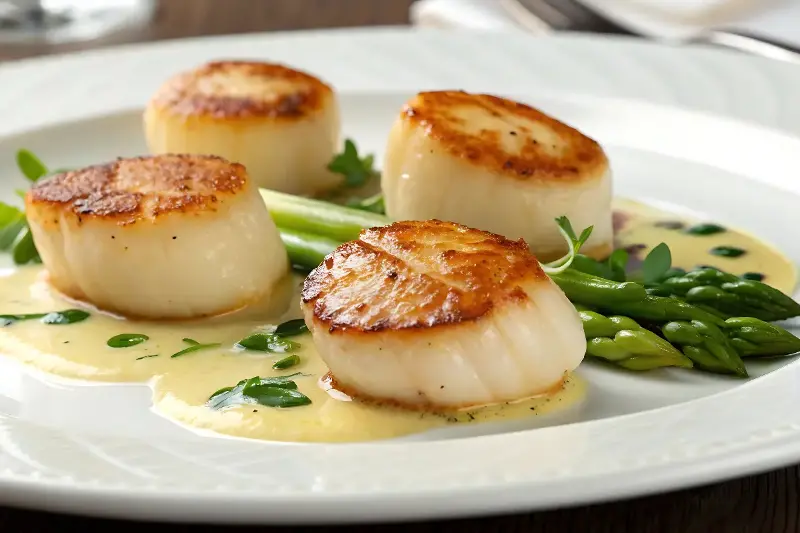
- Color Contrast: The pearly translucence of a seared scallop pops beautifully against the deep green of sautéed spinach.
- Saucing: Use a light hand. A classic French beurre blanc or a spicy aioli should complement the fish, not drown it.
Safety And Serving Essentials
Chefs are vigilant about safety because improper handling can ruin a meal.
- Storage: Keep all seafood refrigerated at all times until the very moment of preparation.
- Safe Minimums: While many enjoy medium-rare fish, the FDA recommends an internal temperature of 145°F (63°C) for general safety.
- Pairing: Crisp white wines, light beers, or sparkling waters are the perfect partners to balance the gentle, salty notes of the sea.
By respecting the ingredients and mastering these fundamental pillars of heat and preparation, every seafood meal can become a celebration of the ocean’s bounty.