



Have you ever met a dog who seemed to know exactly when you needed a little comfort, or a cat whose gentle purring could ease your worries after a rough day? It turns out there’s real science behind the uplifting power of animals.
As more medical professionals and researchers delve into this phenomenon, their findings reveal something extraordinary: the love of a pet does more than just lift our spirits—it can literally help heal our hearts. From the corridors of modern hospitals to the quiet corners of our own living rooms, the impact of animal-assisted therapy is revolutionizing how we view healthcare.
The History Of Healing Companions
Long before the term “pet-therapy” emerged, humans instinctively recognized the soothing nature of animal companionship. In ancient Egypt, dogs and cats were cherished for their presence as much as their utility.
- 18th Century England: Quakers brought animals into mental institutions, noting they helped aid patient recovery.
- The 1960s Breakthrough: Child psychologist Boris Levinson discovered his therapy dog, Jingles, could reach children where traditional words had failed.
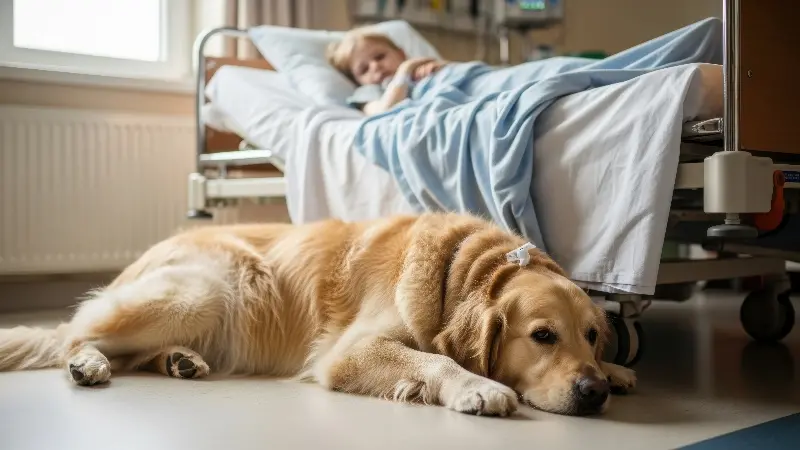
- Today: This ancient wisdom is backed by decades of scientific studies. Certified therapy animals are now common fixtures in schools, disaster recovery sites, and oncology wards.
How Pet-Therapy Works Its Magic
So, what is happening when a furry friend curls up beside you? It’s not just "cuteness" at work; it is a complex interaction of psychological and physiological processes.
The Physiological Shift
Interacting with animals triggers an immediate biological response:
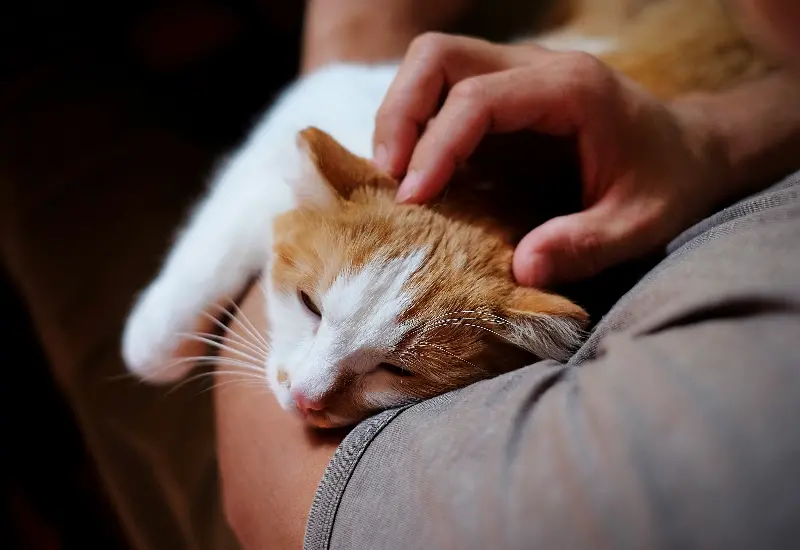
- Cortisol Reduction: Stroking a cat or dog significantly lowers cortisol, the hormone associated with stress.
- Oxytocin Boost: It spikes oxytocin, the “love hormone,” linked to feelings of trust, relaxation, and empathy.
- Vital Signs: Even a brief session can slow the heart rate and decrease blood pressure.
The Psychological Bridge
Doctors have observed that animals provide unconditional positive regard—a rare gift in clinical settings. When a person feels judged or isolated, the empathetic presence of a dog or the purring lull of a cat can bridge the emotional gap, encouraging openness and vulnerability that humans alone might not achieve.
Unexpected Benefits For Body And Mind
Pet-therapy isn’t just for emotional issues; it impacts the physical body in ways that surprise even seasoned healthcare professionals.
- Cardiac Health: Studies from the American Heart Association suggest that pet owners—especially those with dogs—have a lower risk of heart disease.
- Dementia & Senior Care: In nursing homes, regular visits from animals reduce feelings of loneliness and lower agitation in dementia patients.
- Educational Support: "Reading dogs" help struggling students gain confidence by providing a non-judgmental environment where children can read aloud without fear of being corrected.
- Trauma & PTSD: For veterans and trauma survivors, the presence of a therapy animal can decrease intrusive memories and promote a much-needed sense of safety.

The Science Behind The Soft Fur
Neuroscientists believe much of this effect is rooted in our body’s chemistry. When we interact with animals, our brains release neurochemicals that shape our mood.
Animals also have an uncanny ability to sense human emotions. Dogs, for example, can recognize subtle facial expressions and even detect the distinct "scent" of stress or anxiety in their human companions. Their nonverbal cues create a reciprocal loop of comfort and connection that is difficult to replicate with technology or traditional medicine.
From Hospitals To Homes: Pet-Therapy Goes Mainstream
As the evidence mounts, pet-therapy is being embraced far beyond the hospital room:
- Corporate Offices: "Puppy days" are becoming popular to reduce employee burnout.
- Rehabilitation Centers: Animals motivate patients to engage in physical therapy through play.
- Community Spaces: Cat cafés and “puppy yoga” classes are making animal affection accessible to the urban public.
If you’re inspired to introduce pet-therapy into your own life, you don't necessarily need to adopt. Volunteering at animal shelters or participating in community animal-assisted programs can bring these profound benefits to your doorstep.

Conclusion: Healing Starts With A Paw
A single paw, a soft nudge, and a few warm moments of connection tap into a well of healing we are just beginning to fully understand. In a world that often feels hectic and overwhelming, it’s comforting to know that sometimes, the cure can be as simple as a wagging tail or a gentle purr.
Whether it leads to profound emotional change or just a small moment of daily joy, pet-therapy is proof that healing doesn’t always start with a prescription—it can start with a paw.