


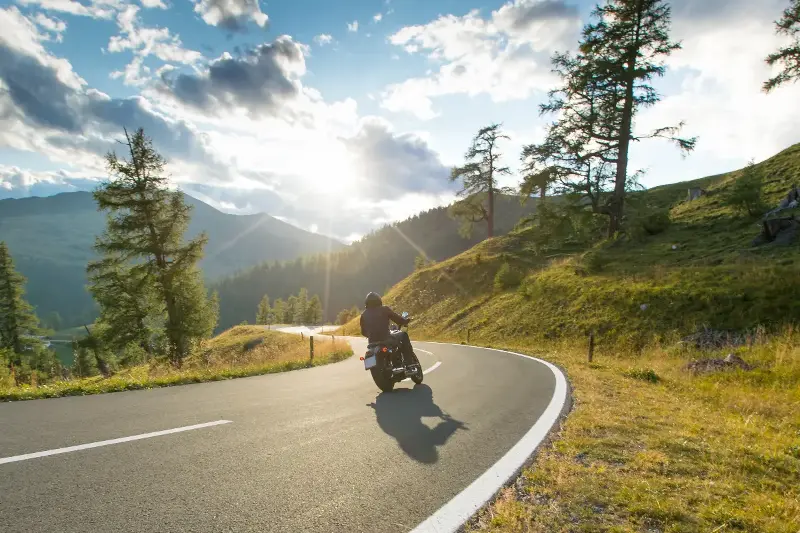
Few things capture the imagination of a rider like the sweeping turns and breathtaking vistas of a mountain road. The adventure of tackling switchbacks, the thrill of rising elevations, and the raw, exposed connection with the landscape make this the ultimate test of a motorcyclist’s ability. However, behind every beautiful curve lies a serious demand on your skill. Mastering mountain roads requires more than just operating a bike—it requires precision, patience, and a deep respect for the physics of leaning and traction. Elevating your riding craft for these twists and turns transforms the journey from a stressful chore into pure, rhythmic joy.
Understanding the Mountain Canvas: The Psychology of the Turn
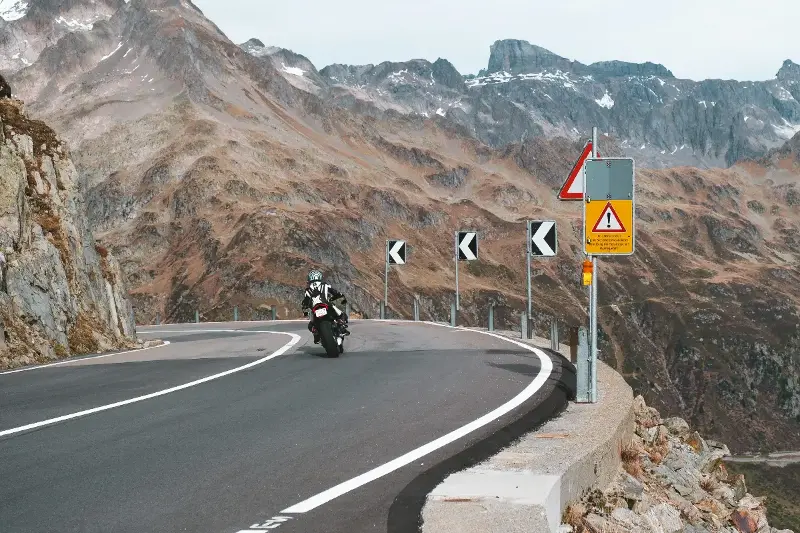
Mountain roads are rarely straight; they snake and zigzag to adapt to steep slopes. As a rider, you must view these roads as a puzzle to be solved with your body and your machine. Blind corners, tight hairpins, and varying road surfaces are not just obstacles—they are information.
A key fact for the skilled rider: mountain turns are scientifically demanding. Centripetal force increases as the turn tightens or as your speed rises, and on two wheels, your margin for error is slimmer. Entering a corner with too much velocity creates a physical scramble that often leads to "target fixation." The expert rider understands that mountain riding is a test of adaptability. When weather shifts at high altitudes or fog rolls in, your ability to adjust your line and maintain composure is what defines your safety.
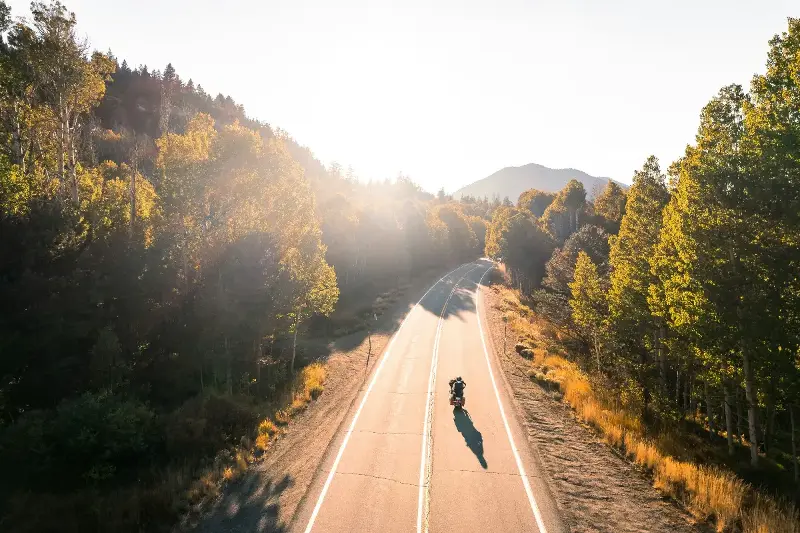
Mastering the Approach: The Art of Anticipation
The most dangerous thing you can do in the mountains is focus only on the pavement immediately in front of your front tire. True mastery begins with active scanning.
- Look Through the Turn: Train your eyes to look as far ahead as possible—through the turn and toward your exit. Your motorcycle will naturally follow where your eyes are focused. If you stare at the hazard, you will hit the hazard.
- The “Slow In, Fast Out” Philosophy: Experienced riders know that speed should be managed before the turn. Scrub off your speed while the bike is still upright. Once you hit the apex of the curve and begin your lean, you can smoothly roll on the throttle to settle the chassis and power out with confidence.
- Read the Environment: Use the cues the road gives you. Road debris, gravel in the shadows, or damp patches are invisible until it is too late. Watch the way the trees move to predict wind gusts, which can push you off your line in an instant.
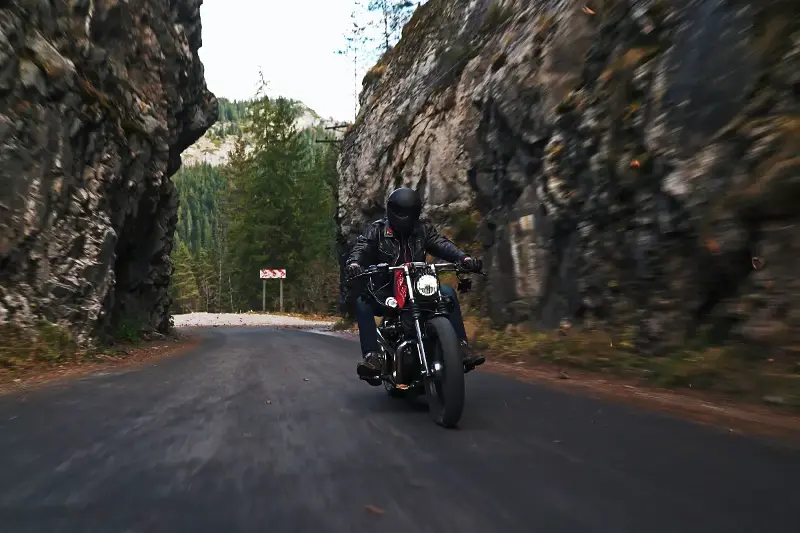
Precision on the Turns: Fluidity is King
On a motorcycle, your inputs must be seamless. Jerky movements—sudden braking mid-corner or stabbing at the brakes—upset the bike’s suspension and compromise your contact patch.
- Steer with Intent: Master the art of counter-steering. Keep a relaxed grip on the handlebars; letting the bike move naturally beneath you is essential for stability.
- Respect the Hairpin: For tight, 180-degree bends, resistance is futile. Slow down more than you think you need to. These turns are not for speed; they are for finesse and perfect throttle control.
- Passing with Patience: If you find yourself behind a slower vehicle, exercise restraint. Attempting to pass on a blind corner is a failure of rider judgment. Wait for a marked passing zone where you have a clear, long-distance view of the road ahead.
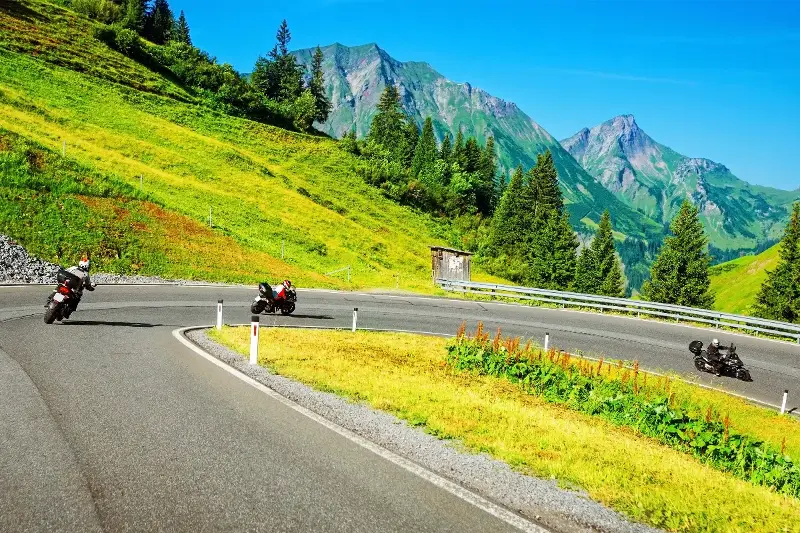
The Human Factor: Elevation and Awareness
Mountain riding does more than challenge your bike; it challenges your body. As you climb thousands of feet, the thinning air and changing temperatures can impact your reaction time.
- Manage Your Physical State: Altitude can cause fatigue or light-headedness. Stay hydrated, take regular breaks to stretch, and recognize when your focus is drifting. A tired rider is a dangerous rider.
- Engine Braking as a Skill: Relying solely on your brakes on a long descent is a rookie mistake. Use your transmission to control your speed. By staying in a lower gear, you maintain control and keep the bike settled without overworking your brake pads.
- Respect the "Runaway" Signs: When you see warnings for trucks or steep grades, take them as a personal cue to dial back your pace.
Enjoying the Scenery, Honing the Craft
Never forget: mountain riding is a duality. It is both a physical challenge and a profound joy. The changing landscapes, the crisp air, and the sensation of the lean are the rewards for the hard work of precision riding.
Whether you are a novice learning to navigate your first set of switchbacks or a seasoned veteran who knows every line, the goal remains the same: to be one with the road. Savor the journey, respect the physics of the climb, and keep honing your skills. When you approach a mountain road with focus and respect, every curve becomes a masterpiece of personal achievement.