


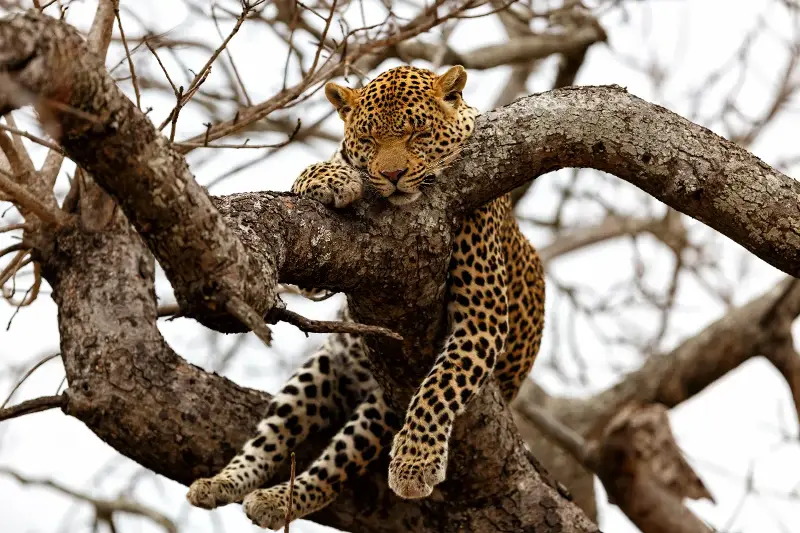
When the sun dips below the horizon and the world quiets down, millions of animals across the globe settle into their own unique rest routines. Some snuggle up for deep, uninterrupted slumber, while others keep one eye open—literally! The animal kingdom is bursting with fascinating and ingenious sleep patterns that challenge our human understanding of rest. Let’s journey across continents and oceans to discover how creatures, great and small, have adapted their sleep in sometimes bizarre and unexpected ways to thrive in the wild.
THE HALF-BRAINED SLEEPERS: UNIHEMISPHERIC SLUMBER
Imagine if you could rest half your brain while the other stayed wide awake, allowing you to watch for predators or navigate your surroundings. For many animals, this is not just a dream—it is a biological reality.
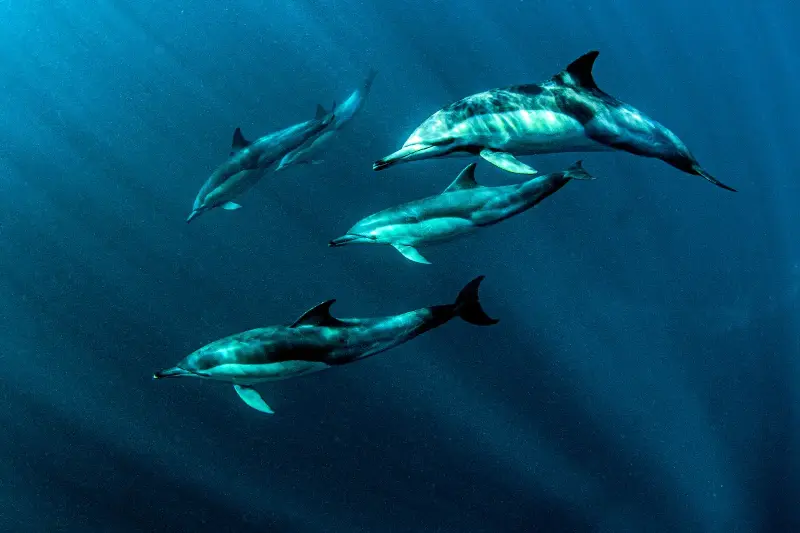
- Dolphins and Whales: These masters of the sea exhibit unihemispheric slow-wave sleep, where one hemisphere of the brain dozes while the other remains fully alert. Because they are voluntary breathers, this allows them to surface for air without ever losing consciousness.
- Avian Vigilance: Certain birds, such as mallards, can keep one eye open and half their brain awake to watch for threats while resting at the edge of a flock.
This remarkable adaptation is not only brilliant; it is a literal lifesaver that allows these animals to remain protected in environments where they cannot afford to be vulnerable.
STANDING, HANGING, FLOATING: CREATIVE SLEEP POSTURES
Many animals lack the luxury of cozy dens, so they have developed creative methods of sleeping on the go or in open environments.
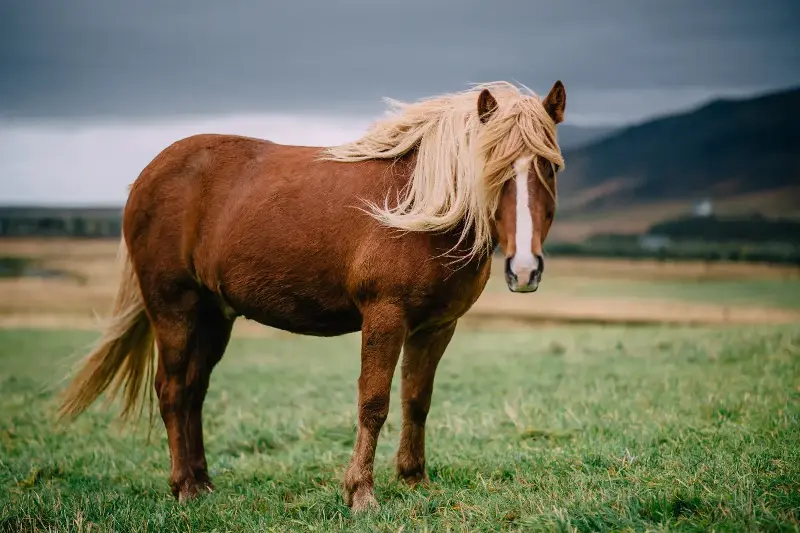
- The Standing Nap: Horses and elephants famously sleep standing up, locking their knees to prevent falling over. This posture allows for a hasty escape should danger approach.
- Inverted Slumber: Bats often sleep hanging upside down from cave ceilings. Their anatomy allows their tendons to naturally lock their claws, ensuring they remain secure without expending extra energy.
- Aquatic Drifting: Sea otters have a charming habit of wrapping themselves in thick kelp while floating. This acts as a natural anchor, keeping them from drifting away or being swept off by ocean currents while they nap.
SHORT NAPS FOR BUSY LIVES: POLYPHASIC SLEEPERS
Some creatures function on mere minutes of rest at a time, utilizing short, high-efficiency bursts of recovery.
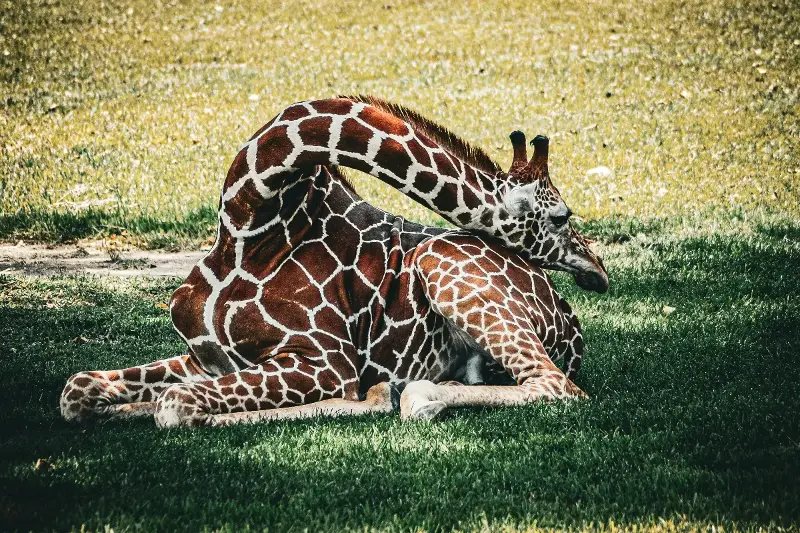
- The Giraffe: Towering over the savannah, giraffes sleep less than almost any other mammal. They typically average just 30 minutes a day in short, strategic naps to stay alert against potential threats.
- Migratory Marvels: Certain birds, such as the Alpine swift, have been known to stay airborne for massive stretches. They engage in polyphasic sleep, napping mid-flight for just seconds at a time while maintaining their course through the sky.
EXTREME HIBERNATORS AND TORPOR EXPERTS
While some animals minimize rest, others take it to the extreme through months-long cycles of dormancy.
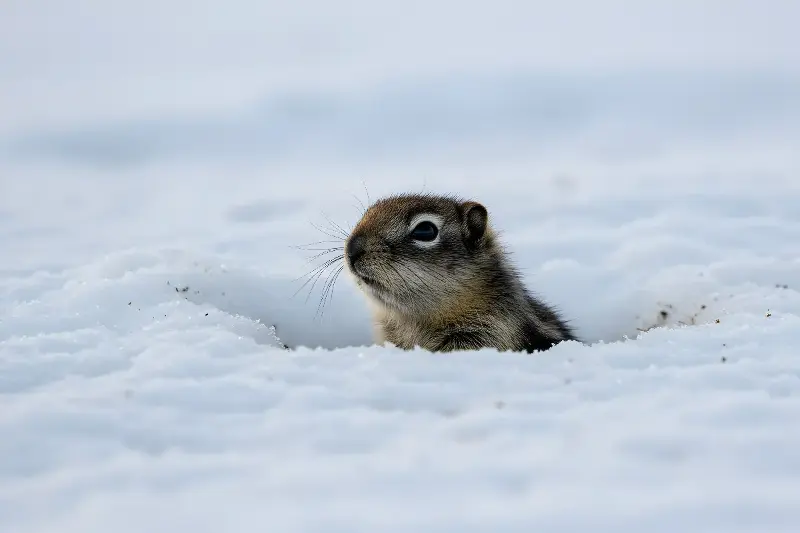
- Deep Hibernation: The Arctic ground squirrel is a champion of deep sleep. It can lower its body temperature below freezing and stay dormant for up to eight months, awakening only occasionally to regulate its temperature.
- Nightly Torpor: Hummingbirds utilize a strategy called torpor, which drops their metabolic rate significantly. This allows them to survive chilly nights with minimal energy, acting as a "mini-hibernation" that helps them recover from their intensely active, calorie-burning days.
DREAMING IN THE WILD: FANTASIES OR REALITY?
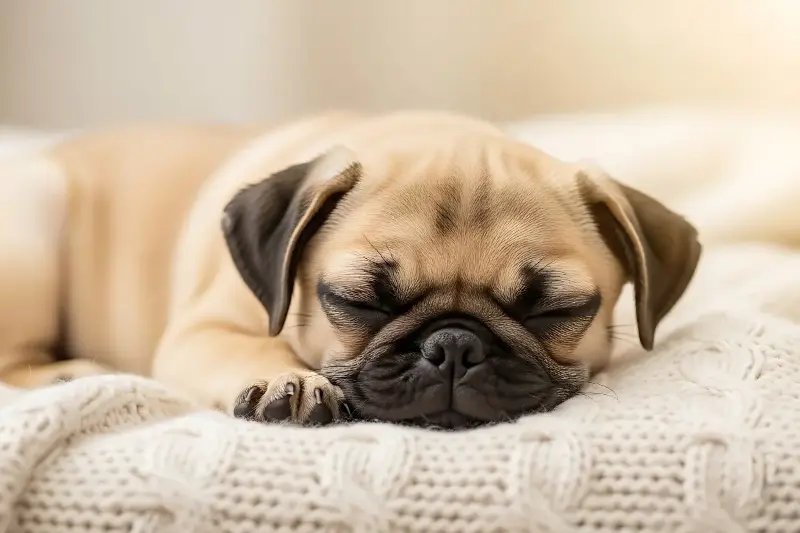
Do animals dream? Scientists believe so! Rapid eye movement (REM) sleep has been observed in many mammals and birds, indicating a highly active brain. Studies suggest that rats may replay their daily experiences while asleep, while many dog owners have witnessed their pets twitching or running in their sleep. Interestingly, not all animals experience REM—whales and dolphins, our masters of the half-brain nap, skip it entirely. This diversity highlights just how intelligently evolved sleep schedules are across the planet.
NATURE’S GREAT SLEEP EXPERIMENT
The diversity of rest in the animal kingdom is both wondrous and practical. Each species faces unique environmental challenges, and their peculiar sleep habits are finely tuned solutions for survival. Next time you find yourself yawning, remember that somewhere out there, a giraffe is squeezing in a five-minute nap, a whale is gliding through the depths, and a bat is swaying gently from a ceiling—proving that in nature, every creature has a rhythm all its own.