


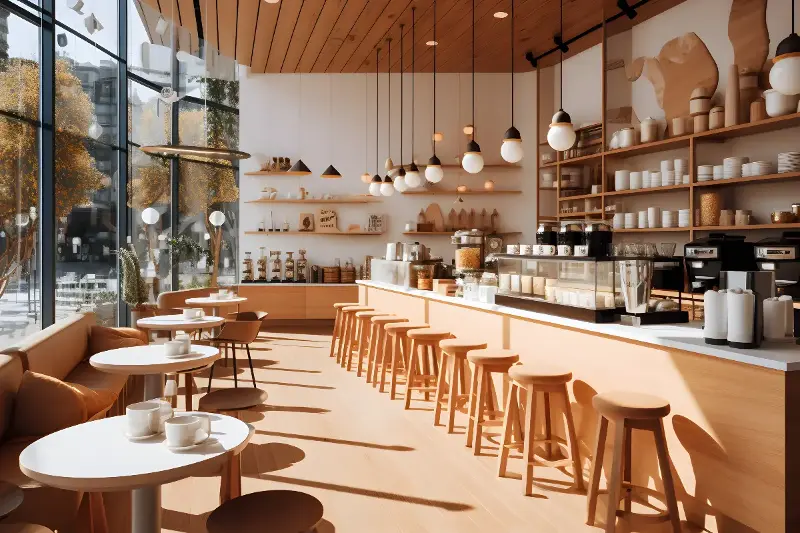
For many people, the café is no longer only a place for a quick espresso, a pastry, or a casual catch-up with friends. It has transformed into a temporary office, a meeting room, a study space, and a vibrant sanctuary from the isolation of working alone at home.
This shift grew rapidly during the remote work expansion, when millions discovered they could work effectively outside traditional corporate offices. Cafés offer something home offices often lack: energizing background atmosphere, human presence, and a refreshing change of scenery.
What Makes the Portable Office So Popular
The ability to work seamlessly from a café relies on a few ordinary technologies that have created a massive social impact: lightweight laptops, smartphones, mobile payments, cloud storage, and reliable Wi-Fi.
- Optimal noise levels: Moderate background sound—often around 70 decibels—can support creative thinking for many people. The soft hum of conversation, gentle music, and coffee grinders create just enough stimulation to prevent boredom without becoming a distraction.
- A psychological boundary: Leaving home and traveling to a familiar neighborhood spot creates a clear boundary between personal life and work time. Even a short walk to buy coffee becomes a grounding morning ritual.
- Enhanced focus: For freelancers, students, and hybrid employees, the local coffee shop serves as a practical middle ground between the formality of an office and home distractions.

The Café as an Essential Third Place
Sociologist Ray Oldenburg popularized the concept of the "third place"—an informal public gathering space outside of home (the first place) and work (the second place) where people can gather, interact casually, and feel connected.
- A long historical tradition: In eighteenth-century London, coffeehouses were vibrant meeting points for writers, readers, and thinkers. Modern laptop-friendly cafés continue that tradition in a fresh, digital-era form.
- Being alone together: A person working solo in a café may not speak to anyone for hours, yet they feel less isolated. Sharing space, exchanging a quick nod with a barista, or simply seeing others working creates a subtle, comforting sense of community.

Balancing Customer Comfort with Business Realities
The café office trend creates practical considerations for independent business owners operating on narrow margins, leading to a thoughtful evolving balance between comfort and commerce:
- Smart café policies: Many venues offer designated work zones, large communal tables, abundant power sockets, and strong Wi-Fi. Others set time limits or laptop-free tables during peak lunch hours to keep business moving.
- Mindful worker etiquette: Courteous remote workers buy food or drinks regularly, avoid spreading gear across multiple seats, wear headphones, keep calls brief, and stay mindful of public Wi-Fi security.

Protecting Boundaries in a Flexible World
One of the most interesting cultural shifts is that spaces designed for relaxation are now expected to support daily productivity. While this flexibility empowers people to shape their workdays around personal energy levels and family life, it can also blur the line between effort and rest.
The key to long-term success is balance. Many remote professionals protect their personal time by closing their computers at a fixed hour, reserving coffee shops for creative tasks, or keeping a favorite spot strictly dedicated to leisure. When customers respect the venue, businesses communicate their needs, and workers safeguard time for genuine relaxation, the café remains both productive and pleasurable—a place where a great cup of coffee supports a richer, healthier rhythm of daily life.