


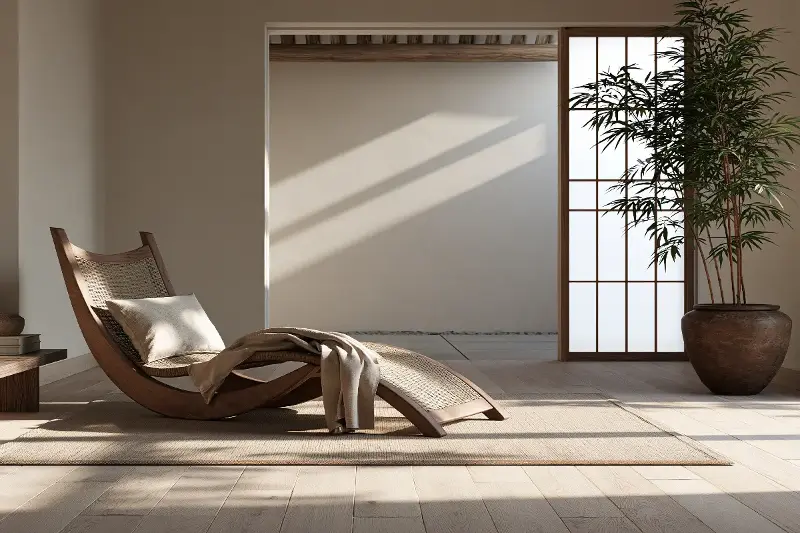
Wabi-sabi is often described as the Japanese art of finding beauty in imperfection, but it is far more than a passing decorating trend or a simple preference for rustic ceramics. It represents a quiet, grounded way of experiencing life. Instead of chasing flawless appearances, relentless productivity, or permanent happiness, wabi-sabi invites us to slow down and notice what is real, temporary, and gently worn by time.
In a world filled with polished digital images and constant pressure to refine every detail, this ancient perspective feels surprisingly freeing. A handmade cup with an uneven rim, a wooden table marked by years of shared meals, or a face showing the graceful traces of laughter and experience all hold a quiet beauty that manufactured perfection can never recreate.
The Meaning Behind Wabi-Sabi
The concept combines two distinct cultural ideas that developed over centuries:
- Wabi originally described the solitude of living simply in nature. Over time, its meaning softened to represent humble simplicity, quiet contentment, and the serene joy of living with less.
- Sabi refers to the subtle beauty that emerges with age, wear, and the natural passage of time. It appears in the faded weave of vintage fabric, moss along a stone path, or a soft patina on metal.
Rather than treating age as damage, sabi celebrates it as authentic evidence of a life fully lived. Together, wabi-sabi honors the imperfect, the impermanent, and the incomplete.
This philosophy gained deep roots in Japanese culture through poetry, architecture, gardens, and the tea ceremony. The 16th-century tea master Sen no Rikyu helped define this aesthetic by choosing modest, handmade clay utensils over extravagant displays of wealth, demonstrating that unique irregularities carry far more soul than flawless luxury.

Beauty That Does Not Need to Be Perfect
One of the most comforting lessons of wabi-sabi is that flaws are not problems to be hidden; they are essential parts of an object's character. A fine crack in a favorite bowl becomes a memory, and a weathered armchair feels far warmer than a pristine new one because it carries history.
This perspective is not about celebrating neglect or abandoning growth. It simply frees us from the exhausting belief that life must be flawless before it can be enjoyed.
Consider how often we delay happiness while waiting for the "right" moment:
- Hesitating to invite friends over until the house looks completely pristine.
- Delaying a creative hobby until buying the most expensive equipment.
- Feeling disappointed by an authentic moment because it lacks a polished filter.
Wabi-sabi asks a gentler question: What if this moment is already enough?
This same kindness applies to how we view ourselves. Human beings are inherently unfinished, emotional, and shaped by experience. Making mistakes or carrying personal scars does not lessen our worth—it simply makes us human.
Finding Wabi-Sabi in Everyday Life
Embracing wabi-sabi does not require a trip abroad or a home filled with costly art. It begins with cultivating a slower, more attentive relationship with ordinary surroundings:
- In the Home: Choose items with personal meaning over fast trends. Natural materials like wood, linen, clay, and stone age gracefully and bring grounded warmth to a living space.
- In Nature: Notice the asymmetrical beauty of a fallen leaf, the changing autumn colors, or shifting clouds. Recognizing that a blooming flower will not last forever makes its present beauty all the more precious.
- In Daily Routines: Allow everyday tasks to be simple. A home-cooked meal does not need professional presentation to nourish, and a journal entry does not need to be profound to offer clarity.
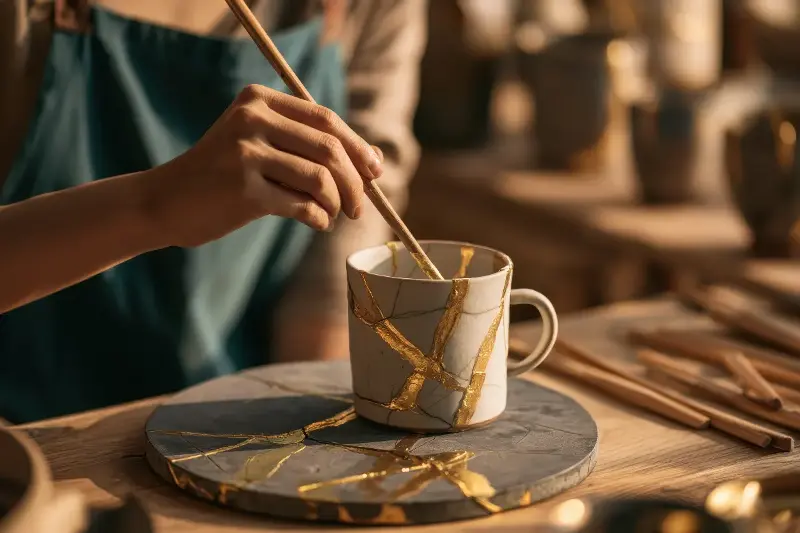
By pairing wabi-sabi with simple mindfulness, even routine chores like washing dishes become peaceful pauses. Noticing the warmth of the water and the familiar textures of well-used plates turns ordinary moments into quiet rest from mental noise.
The Wisdom of Repair
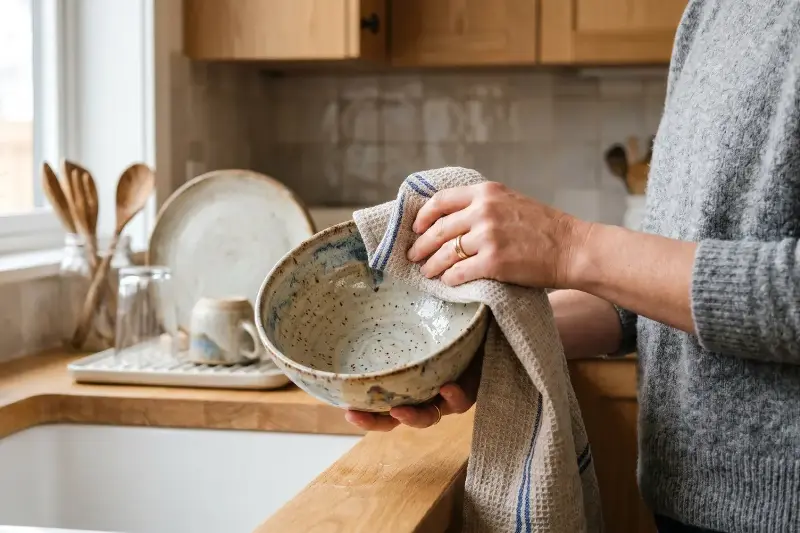
A striking expression of this philosophy appears in kintsugi—the traditional art of repairing broken ceramics with lacquer dusted with powdered gold. Rather than hiding a fracture, kintsugi highlights it, making the repair a celebrated chapter of the object's history.
The deeper message offers immense hope: damage does not mean the end of value. With patience and gentle care, what has been broken can become meaningful in a whole new way.
Life shifts, unexpected changes, and unfulfilled plans do not signal personal failure. They are a natural condition of being alive. Wabi-sabi offers something far more lasting than perfection—the peaceful ability to discover genuine beauty in the life that is already here, complete with its rough edges, changing seasons, and wonderfully human imperfections.