


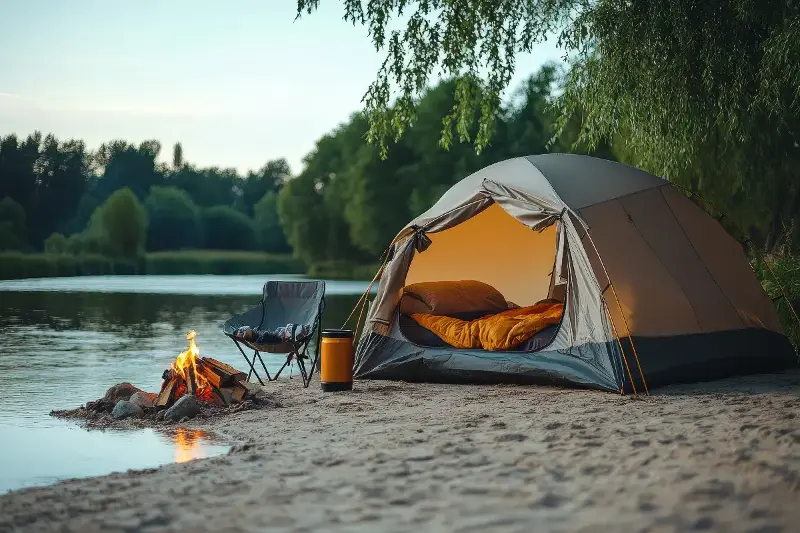
Camping is one of the simplest ways to spend more time outdoors, slow down, and enjoy a fresh change of scenery. For beginners, however, sleeping outside can feel less relaxing when the weather changes, the sun sets, or an unfamiliar sound comes from the trees. A few practical skills can turn that uncertainty into confidence without making a weekend trip feel like a rigorous survival test.
The goal of outdoor safety is not to "rough it" unnecessarily. It is to stay warm, hydrated, well-fed, dry, and safe. Most camping difficulties begin with small oversights—such as a forgotten rain jacket, a poorly chosen campsite, or not carrying enough water. Good preparation lets you focus on the enjoyable moments: cooking delicious meals, observing wildlife, and waking up to fresh air.
Plan Before You Leave
Choose a campground or trail that matches your current experience level. Established campgrounds are ideal for first-time trips because they usually provide marked sites, restrooms, clean drinking water, and clear emergency information.
Before setting off, make sure to cover these key preparations:
-
Research Local Rules: Always check regulations regarding campfires, food storage, pets, and necessary permits.
-
Dress for All Weather: Pack versatile layers rather than relying on one heavy jacket. Combine a moisture-wicking base layer, an insulating fleece or wool mid-layer, and a waterproof outer shell. Avoid cotton, as it retains moisture and loses insulation when wet.
-
Share Your Itinerary: Tell a reliable person where you are going, when you expect to return, and how to contact local authorities if needed.
-
Prepare Offline Maps: Download offline navigation maps on your phone, but always carry a paper backup. Cold weather drains phone batteries faster, and signal loss is common.
Build a Comfortable Shelter
A quality tent is your primary protection against wind, rain, insects, and falling dew. Practice setting up your tent at home before your trip—preferably once in full daylight and once in low light. This simple trial run prevents frustration at camp and confirms that all poles, stakes, and rainfly parts are intact.
When pitching your shelter:
-
Select Level, High Ground: Avoid dips or dry streambeds where rainwater can quickly gather.
-
Inspect the Canopy: Look up and avoid setting up directly under dead branches, as well as keeping clear of steep cliffs and loose riverbanks.
-
Insulate from Below: A good sleeping pad is just as crucial as your sleeping bag because it prevents the ground from stealing your body heat. Select a sleeping bag rated at least 10 degrees Fahrenheit (6 degrees Celsius) lower than the coldest forecast.
Prioritize Water and Hydration
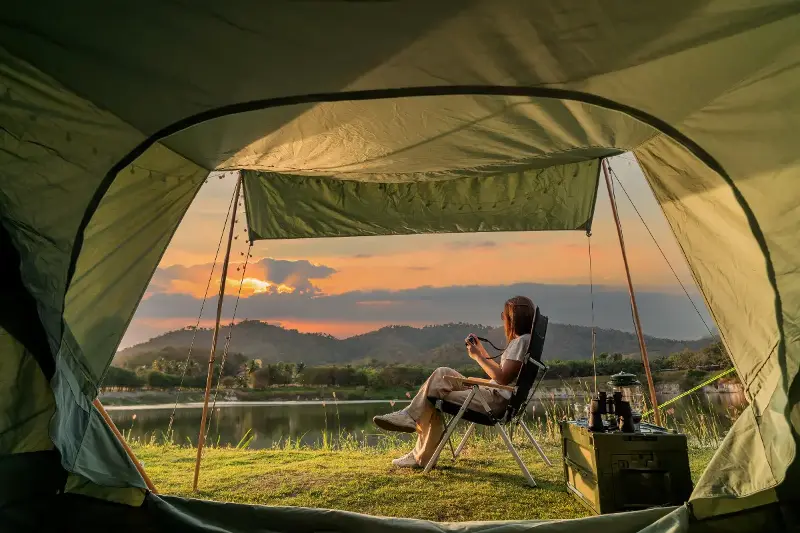
The human body requires consistent hydration, especially during outdoor physical activity. Carry more water than you expect to use and identify reliable freshwater sources along your route. A standard baseline is two to three liters per person per day, though hot weather and steep hikes require significantly more.
To stay properly hydrated and safe:
-
Purify Natural Water: Clear natural water can still host invisible microbes. Bring water to a rolling boil for at least one minute (or three minutes at elevations above 6,500 feet) to make it safe.
-
Recognize Warning Signs: Do not wait until you feel extremely thirsty. Headache, dizziness, fatigue, and dark yellow urine are early signs of dehydration. Drink steadily throughout the day and supplement with electrolytes during heavy activity.
Fire and Food Safety
While building a classic campfire is a popular activity, a portable camping stove is often safer, faster, and far more dependable. Stoves work reliably in damp weather and reduce the risk of accidental fires.
For a safe campsite experience:
-
Practice Fire Responsibility: If campfires are allowed, use designated fire rings. Keep flames small, never leave them unattended, and keep water nearby. Extinguish fires completely by soaking, stirring, and soaking again until cool to the touch.
-
Secure Your Food: Store food, scented toiletries, and trash in bear-resistant canisters or sturdy lockers where required. Never store snacks inside your tent to prevent curious wildlife from damaging your gear.
Learn Navigation and First Aid
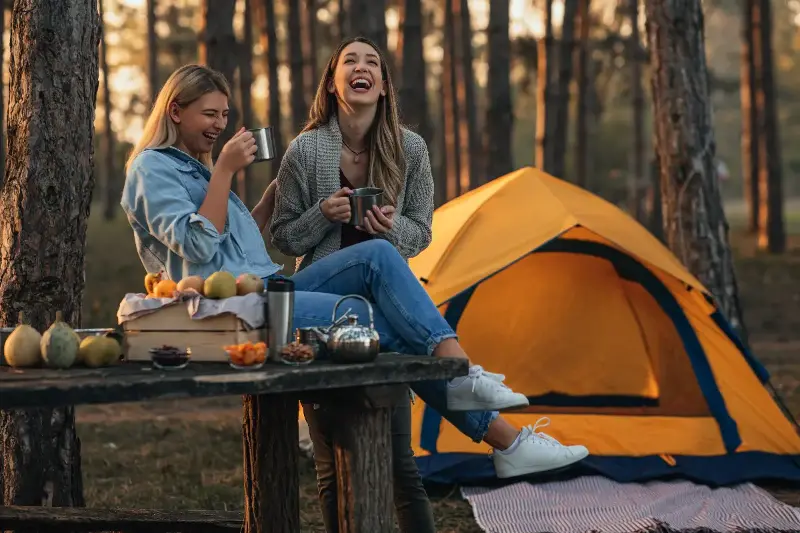
A paper map and reliable compass are essential back-ups because they never lose battery power. Before hiking, identify key landmarks, trail junctions, and your primary route back to camp. If you ever feel disoriented, stop moving immediately to assess your location calmly rather than venturing further off course.
Pack a comprehensive first-aid kit containing:
-
Adhesive bandages, sterile gauze, and medical tape
-
Antiseptic wipes and blister treatments
-
Tweezers, safety pins, and personal prescriptions
Learn to recognize signs of hypothermia—such as shivering, clumsiness, and confusion—which can happen even in mild temperatures if a camper becomes wet or exhausted.
Camping safely does not require expensive equipment or expert wilderness knowledge. By preparing thoroughly for the conditions, you can turn every trip into a fun and rewarding adventure.