


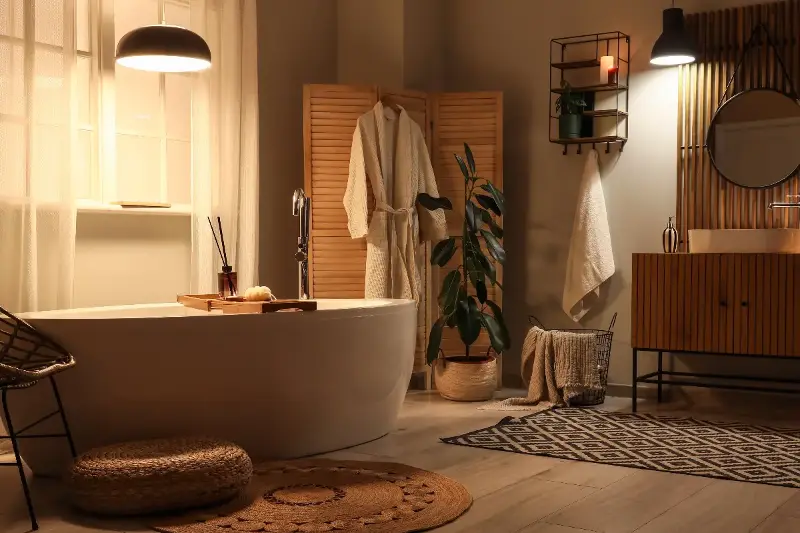
Natural materials are moving from niche preference to a defining feature in contemporary interiors and architecture. Across homes, hotels, workplaces, and public buildings, designers are choosing timber, stone, clay, cork, wool, linen, and plant-based finishes to create spaces that feel warmer, calmer, and more connected to place. In an era shaped by climate concerns and urban living, natural materials offer a practical route toward lower-impact and tactile design.
This shift is visible globally, from compact apartments in Tokyo to coastal retreats in Australia, renovated townhouses in Copenhagen, and hospitality projects in Mexico City. Rather than aiming for perfectly uniform surfaces, many designers are embracing grain, knots, veining, uneven edges, and handmade marks. These organic details make interiors feel individual while reminding occupants that materials have an origin beyond the factory floor.
Wood Returns with a Lighter Footprint
Wood remains one of the strongest forces in modern design, particularly when sourced responsibly. Engineered timber products such as cross-laminated timber (CLT) and glulam are now used for larger structural buildings as well as furniture:
-
Structural performance: CLT layers boards in alternating directions, creating strong panels suitable for floors, walls, and load-bearing elements.
-
Carbon advantages: Mass timber attracts attention because growing trees absorb carbon dioxide, requiring less processing energy than steel or concrete.
-
Forestry certification: Standards such as FSC and PEFC help identify timber from responsibly managed forests, alongside reclaimed wood and local species.
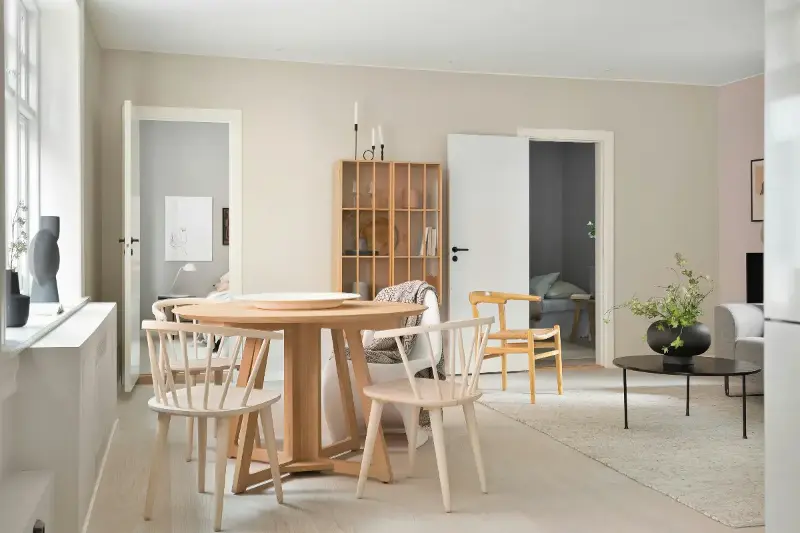
Regional traditions heavily influence timber choices. In Scandinavia, pale ash, birch, and pine shape bright, functional interiors. In Japan, cedar and cypress are prized for their subtle fragrance and fine grain. Darker woods like walnut, smoked oak, and tropical alternatives add depth, while salvaged beams and doors bring rich history into minimalist rooms.
Earth, Clay, and Stone Add Character
Earth-based finishes are enjoying a major revival. Clay plaster, limewash, terracotta, and rammed earth create rich surfaces without relying on synthetic coatings:
-
Limewash: Produces a soft, chalky finish with gentle, atmospheric variations in tone.
-
Clay plaster: Helps regulate indoor humidity by naturally absorbing and releasing moisture.
-
Rammed earth: Compresses soil, sand, and gravel into thick, dramatic walls that mirror the surrounding landscape.
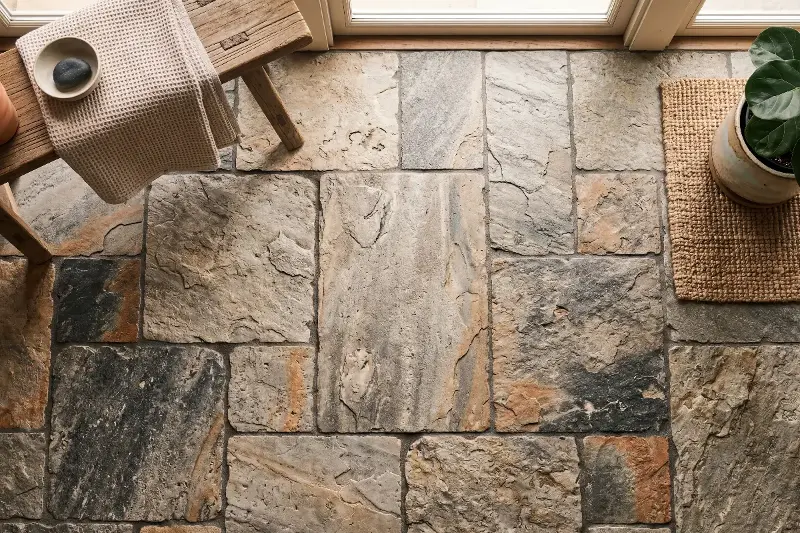
Stone is being selected in an equally expressive, tactile way. Instead of relying solely on polished marble, designers specify honed limestone, rough granite, travertine, slate, and volcanic stone. Choosing stone from nearby quarries reduces transport emissions, while its unmatched durability ensures surfaces last for generations.
Soft Fibres Create Healthier Interiors
Natural fibers transform the acoustic and sensory quality of interior spaces while softening hard architectural lines:
-
Linen: Made from flax, it features a relaxed appearance, grows softer over time, and requires less water than conventional fiber crops.
-
Wool: Highly valued for its resilience, thermal insulation, and natural resistance to stains.
-
Cork: Harvested from the regenerating bark of cork oak trees in Portugal and Spain, offering acoustic absorption and cushioning underfoot.
-
Bamboo: Rapidly renewable for flooring, screens, and furniture across global markets.

Designing with Local Identity
One of the most compelling aspects of this movement is its celebration of regional craft and climate-specific building methods:
-
Mexico: Features woven palm, clay tiles, and volcanic stone.
-
Morocco: Incorporates breathable tadelakt plaster, handmade zellige tiles, and hand-carved timber.
-
India: Reinterprets cane, jute, teak, and hand-woven textiles into modern forms.
This approach challenges the uniformity of globalized design, replacing identical rooms with spaces that reflect local culture, resources, and climate. Natural materials make new buildings feel rooted rather than imported.
Living with natural finishes means accepting that stone requires sealing, solid wood changes color with light, and linen creases organically. These are not flaws, but rather signs of authentic materials that age gracefully over time, bringing lasting value to everyday life.