


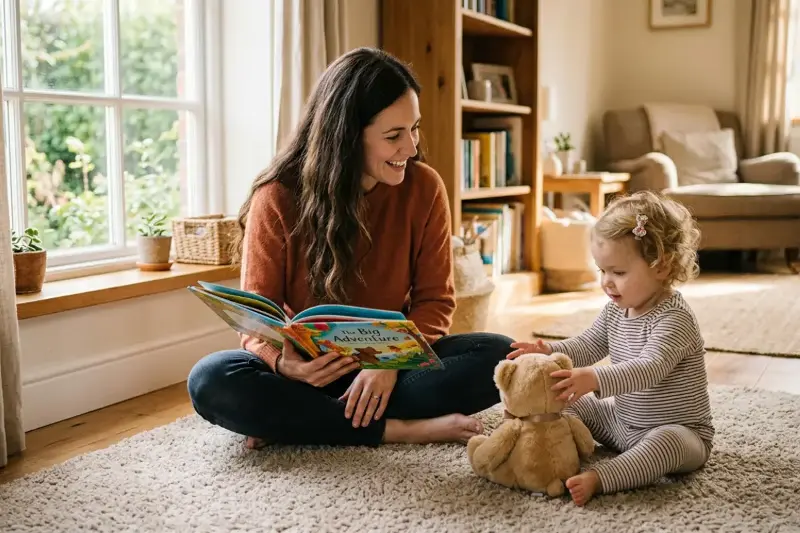
Children seem to absorb language with astonishing ease. A toddler can learn the word for dog after hearing it only a few times, while an adult may need flashcards and intense repetition to remember the same word in a new language. This leads many parents to wonder whether starting a second language in infancy is essential.
The short answer is encouraging: early exposure brings real advantages, but sooner is not automatically better in every situation. What matters most is not the exact age on a nursery brochure, but the quality, consistency, and emotional warmth of a child’s contact with the language.
How Young Brains Absorb Language
Babies begin tuning in to speech long before they say their first words. Research shows that infants can distinguish many of the speech sounds used across global languages. Over time, their brains specialize in the sounds they hear most often, making pronunciation and listening skills easier later on.
Children do not learn language by memorizing grammar rules; they learn through meaningful human interaction:
- Real-world context: Hearing "Where is your shoe?" while getting dressed connects words directly to actions.
- Pattern recognition: Children naturally notice patterns, test sounds, and connect words with real objects.
- Natural code-switching: Mixing words from two languages in one sentence is a normal part of bilingual development, not confusion.
With consistent exposure, children naturally learn when and with whom to use each language.
The Value of Starting Early
Beginning early helps children develop a natural accent and a sharp sensitivity to unfamiliar sounds. When a second language is integrated into family meals, playdates, songs, or bedtime stories, it feels like an ordinary part of daily life rather than an extra school subject.
Early language learning also offers profound social and cultural benefits:
- Connects children with grandparents, relatives, and neighbors in their preferred language.
- Unlocks family stories, cultural traditions, and a deeper sense of identity.
- Builds early empathy and global perspective by opening doors to different cultures.
Language is far more than an exam topic; it is a vital bridge to connection and belonging.
Why Earlier Is Not Always Better
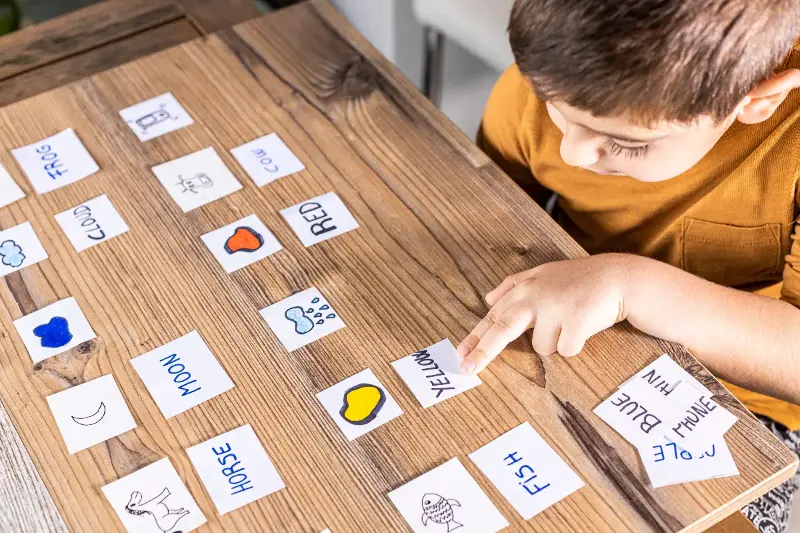
Starting at age two does not guarantee fluency by age ten. A child needs sufficient, meaningful exposure to make progress. A single brief lesson each week introduces vocabulary, but it rarely produces fluent speech.
Furthermore, pressure can work against learning:
- Daily battles over language practice cause children to associate the new language with stress.
- Preschoolers need room to listen, experiment, make mistakes, and enjoy being understood.
- A strong foundation in the home language supports overall communication, emotional expression, and future literacy.
Parents should never feel forced to abandon their native language. Detailed, warm conversation in your strongest language is far more valuable than unnatural conversation in another.
What Effective Exposure Looks Like
The best early language experiences are active, interactive, and joyful. Parents can foster natural progress through simple, engaging habits:
- Interactive activities: Read picture books together, sing songs with actions, and play pretend games.
- Real conversation: Talk with relatives on video calls to give children immediate, responsive feedback.
- Natural repetition: Read favorite stories repeatedly so children can absorb new sentence patterns effortlessly.
Human interaction matters far more than passive screens. While educational videos introduce basic words, they cannot respond when a child points, laughs, or asks a question.

A Flexible Path Forward
There is no single perfect age or method for every family. A baby benefits from early sound exposure, but an older child can also become fluent through personal motivation and regular practice. Older learners often master grammar and reading quickly because they can focus and understand structured explanations.
Choose an approach that fits your family's daily life. Focus on steady, enjoyable exposure rather than rapid results. Whether a child begins at 18 months, five years, or ten years, curiosity and connection will carry them much further than pressure ever could.