


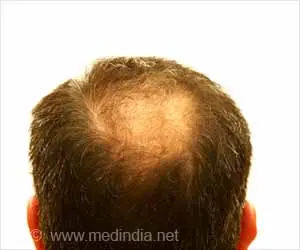
Chennai, July 4 -- Highlights:
* Viral claim: Hair growth gadgets can reverse hair loss. Fact: Most devices lack strong clinical evidence
* Low-level laser therapy (LLLT) is the only gadget //category with moderate evidence for pattern hair loss
* Experts recommend identifying the cause of hair loss before buying viral gadgets
No, the viral claim that hair growth gadgets can stop or reverse hair loss is not fully supported by scientific evidence. Social media posts often promote laser helmets, scalp stimulators, vibrating brushes, and similar devices as quick solutions for thinning hair.
However, current clinical evidence shows that only low-level laser therapy (LLLT) devices have moderate evidence of benefit, and only for some people with androgenetic alopecia , commonly known as pattern hair loss. Most other gadgets lack strong clinical evidence proving they can regrow hair.
Therefore, the viral claim is only partly true rather than universally accurate. Identifying the underlying cause of hair loss remains the most important step before investing in any hair growth device. ( ref1 ), ( ref2 ), ( ref3 ), ( ref4 ) Myth vs Fact Verdict Viral Claim Hair growth gadgets can stop or reverse hair loss. Verdict Partly False Why? Only low-level laser therapy (LLLT) has moderate scientific evidence for selected people with pattern hair loss. Most other gadgets lack convincing clinical evidence.
Do Hair Growth Gadgets Really Work? Hair loss is one of the most common reasons people consult dermatologists worldwide. It can result from genetics, hormonal changes, nutritional deficiencies, autoimmune diseases, medications, infections, or physical and emotional stress.
Because many different conditions can cause hair loss, no single gadget is effective for every person. Dermatologists emphasize that diagnosing the cause of hair loss is far more important than relying on products promoted through viral videos or online testimonials. ( ref4 )
Which Hair Growth Gadget Has the Strongest Scientific Evidence?
Among the many devices, LLLT caps and combs are the most studied. Clinical studies suggest shows that LLLT may prolong the hair growth phase, resulting in thicker hair shafts in some individuals ( ref2 ), ( ref3 ). However, patient response varies, and these devices are not a guaranteed solution.
Which Hair Growth Gadgets Are Available Today? Type of Hair Growth Gadget How It Works Current Scientific Evidence Low-level laser therapy (LLLT) caps or helmets Deliver red or near-infrared light to stimulate hair follicles through photobiomodulation (a process in which low-intensity light stimulates cellular activity inside hair follicles). Moderate evidence for improving hair density in pattern hair loss (), (). Low-level laser therapy (LLLT) combs or brushes Handheld devices directing laser light to the scalp. Moderate evidence for pattern hair loss, though results vary (), (). LED light therapy helmets Use LEDs to expose the scalp to red light. Limited to moderate evidence; evidence is less robust than lasers (). Scalp massage devices Provide mechanical massage to improve circulation. Limited evidence; may help scalp comfort, but not regrowth (). Electrical or microcurrent scalp stimulators Deliver mild electrical currents to the scalp. Insufficient high-quality evidence (). Microneedling devices Create micro-injuries that may stimulate follicles. Emerging evidence, especially when combined with medical therapies (), (). High-frequency scalp devices Apply low-intensity electrical currents. Very limited evidence supporting hair regrowth (). Vibration scalp brushes Use vibration to massage the scalp. No convincing clinical evidence for hair regrowth ().
Who May Benefit Most From Hair Growth Gadgets?
Hair growth gadgets are not a one-size-fits-all solution . Current evidence suggests they are most likely to benefit people with early-stage androgenetic alopecia (pattern hair loss) , where hair follicles are still active but producing thinner hairs.
Individuals who begin treatment early and use devices consistently under the guidance of a dermatologist may experience modest improvements in hair density and thickness. ( ref1 ), ( ref2 ), ( ref3 ), ( ref4 )
People using evidence-based treatments such as topical minoxidil or other dermatologist-recommended therapies may also benefit from adding low-level laser therapy (LLLT) as part of a comprehensive treatment plan rather than relying on the device alone. ( ref2 ), ( ref3 )
However, people with advanced baldness , scarring alopecia , or hair loss caused by untreated medical conditions such as thyroid disorders, iron deficiency, autoimmune diseases, or certain medications are unlikely to benefit unless the underlying cause is identified and managed appropriately. Consulting a dermatologist before purchasing a hair growth gadget can help determine whether it is a suitable option based on the type and stage of hair loss . ( ref3 ), ( ref4 )
Can Hair Growth Gadgets Treat Every Type of Hair Loss?
No. One of the biggest misconceptions is that a single gadget can treat all forms of hair loss. Current evidence for LLLT primarily applies to androgenetic alopecia, the most common hereditary form of hair loss . There is insufficient evidence to recommend these devices for conditions such as alopecia areata, scarring alopecia, or hair loss caused by thyroid disorders, nutritional deficiencies, certain medications, or autoimmune diseases. ( ref1 ), ( ref2 ), ( ref3 ), ( ref4 ) Hair growth gadgets also cannot regenerate permanently damaged or destroyed hair follicles. In advanced cases where follicles are no longer functioning, surgical hair transplantation remains the only established method of restoring hair. Similarly, if hair loss results from iron deficiency, hormonal imbalance, or an underlying medical condition, treating the root cause is more important than purchasing a device. ( ref4 )
Why Knowing the Cause of Hair Loss Matters More Than Viral Trends Hair loss is a symptom rather than a disease, and successful treatment depends on identifying its underlying cause. Dermatologists may recommend a scalp examination, blood tests, or other investigations before deciding on the most appropriate treatment.
Depending on the diagnosis, evidence-based options may include topical minoxidil, prescription medications for eligible patients, platelet-rich plasma (PRP), lifestyle modifications, or hair transplantation. Hair growth gadgets may serve as an additional treatment for carefully selected individuals but should not replace therapies supported by clinical evidence. ( ref4 )
One important limitation of current research is that many studies have focused on people with mild to moderate androgenetic alopecia and have followed participants for relatively short periods. More long-term, high-quality clinical trials are needed to determine how different devices compare with standard medical treatments and whether their benefits persist over time. ( ref1 ), ( ref2 ), ( ref3 )
What Should You Do If You're Losing Hair?
If you notice persistent hair thinning, patchy hair loss, or excessive shedding, consult a dermatologist before purchasing expensive hair growth gadgets. Early diagnosis can identify treatable causes such as nutritional deficiencies, thyroid disorders, hormonal changes, or hereditary pattern hair loss .
While some laser-based devices may support treatment in selected individuals , they work best as part of an evidence-based treatment plan rather than as a substitute for medical care. ( ref4 )
Scientific Verdict: Is the Viral Hair Growth Gadget Claim True?
While laser-based devices may help selected people with hereditary pattern hair loss, there is currently no scientific evidence that most viral hair growth gadgets can stop, reverse, or cure hair loss. Choosing treatment based on a dermatologist's diagnosis rather than social media claims remains the safest and most effective approach. ( ref1 ), ( ref2 ), ( ref3 ), ( ref4 )
medfaq
References:
* Management of androgenetic alopecia: A systematic review of the literature. - (https://pubmed.ncbi.nlm.nih.gov/38852607/)
* Low-level laser and LED therapy in alopecia: A systematic review and meta-analysis. - (https://pubmed.ncbi.nlm.nih.gov/39404126/)
* Role of low-level light therapy (LLLT) in androgenetic alopecia. - (https://pmc.ncbi.nlm.nih.gov/articles/PMC8906269/)
* Hair loss: Diagnosis and treatment. - (https://www.aad.org/public/diseases/hair-loss/treatment)
Source-Medindia