



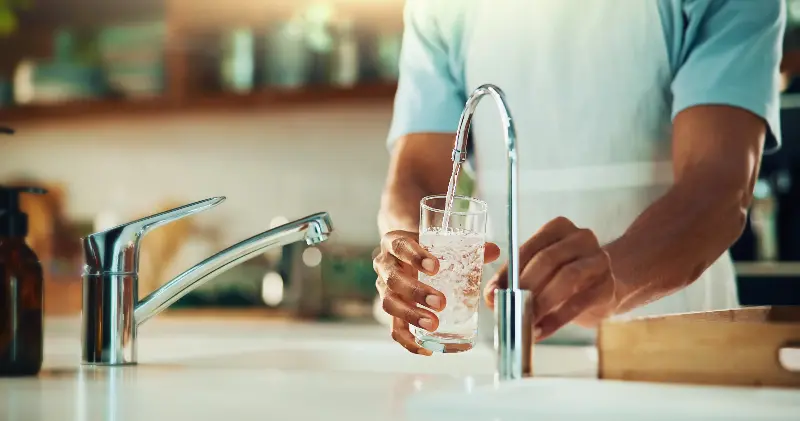
If your tap water has seemed a little saltier lately, winter weather may be to blame.
As plows and crews spread millions of tons of road salt to keep highways passable, some of that salt is washing into rivers, lakes and aquifers that communities rely on for drinking water.
Scientists and water utilities across the U.S. say seasonal spikes in salinity are becoming more common as heavy winter storms prompt widespread use of de‑icing salt. Meltwater carries the salt into nearby waterways, where it can elevate sodium and chloride levels in municipal supplies—sometimes high enough for utilities to issue advisories for people on low‑sodium diets. While treatment plants can filter out some of the salt, many systems aren’t designed for large fluctuations, leaving communities from the Midwest to the Northeast grappling with how to maintain safe, good‑tasting water as winters grow more erratic.
Water officials in Ohio, Maryland, and Wisconsin are among those discussing the recent surge in drinking water salinity due to road salt.
Wisconsin Department of Natural Resources (DNR) officials recently warned that chloride pollutants have been rising across the state’s waterways, WJFW reported.
“If they are trying to manage their blood pressure, there is no drinking water standard in the same way as some of the other pollutants, but your water may taste a little saltier and be a little cloudy,” Wisconsin DNR Storm Water Section Manager Shannon Haydin said in the report.
Newsweek reached out to the Wisconsin DNR by email for comment.
In Maryland, officials with WSSC Water warned that people could begin to notice the difference in the coming days.
Lyn Riggins, a WSSC Water spokesperson, said the salt used to clear roads and sidewalks during recent winter storms will soon work its way into area creeks, streams, and rivers. Although the utility will regularly test its water to ensure it remains safe to drink, some people might notice salty water, Maryland Matters reported.
“For people who are on sodium-restricted diets, they need to be mindful of it,” Riggins said in the report, adding that the average person probably wouldn’t be affected.
The issue doesn’t only affect the water taste for Americans. It can also disrupt and even kill organisms that are imperative to maintaining the local ecosystems. In Ohio, officials warned that high salinity in freshwater sources can kill zooplankton, which are tiny organisms that feed on algae. If enough zooplankton die, algae growth in Ohio waterways could get out of control, WTOL 11 reported. Fish growth rates can also be affected, the report said.
Which States Have the Worst Problem of Road Salt in Drinking Water?
States in the Northeast and Mid-Atlantic–such as Pennsylvania, New Jersey, and Massachusetts–are among those facing the greatest struggle when it comes to road salt entering local waterways. These states are densely populated and have robust transportation networks, which leads to a higher demand for treated roadways and more roads undergoing the treatments.
Some rivers in Pennsylvania can see such severe salt spikes following a winter storm that the salt levels resemble those of seawater, a report from Delaware Currents said.
What People Can Do to Reduce Salt in Local Waterways
Adding filtration equipment to counteract the increased salinity could cost utilities millions of dollars, the Maryland Matters report said.
Some cities, such as those in Ohio, are working on other solutions–such as improving snow-removal equipment to use less salt while still managing the effects of heavy winter storms. In other cases, officials warn there’s no solution.
“Salt cannot be removed from the source water,” Riggins said in the Maryland Matters report. “So, we have to be mindful of what we put on the land affects the water.”
For residents, people are encouraged to remove the snow manually, such as shoveling it, before applying ice to the driveway or sidewalk. This can reduce the amount of saltwater run-off that gets into area waterways.