



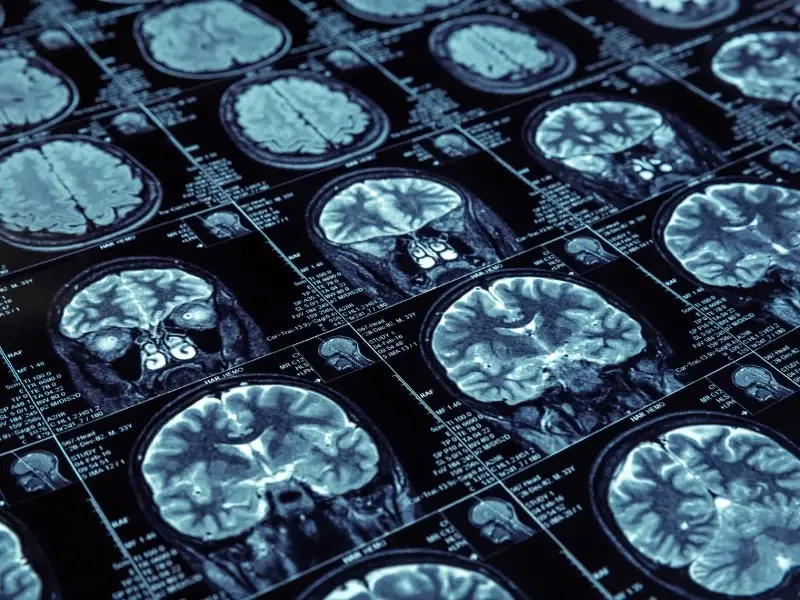
A major review has highlighted a striking association between insomnia and a number of neurological and mental health conditions.
Researchers from across Europe said that insomnia was linked with greater risk of dementia, stroke, hospitalization and suicidal behavior, highlighting how important high quality sleep is for overall health.
The study was published in the journal Sleep Medicine Reviews on September 7.
What Causes Insomnia?
It is common for people to experience short periods or the odd night of poor sleep from time to time—what is known as acute insomnia. This can happen due to stress, illness, pain, a new medication, hormone changes and others.
However, if this lasts for three months or longer, and occurs three or more days a week, while also resulting in daytime impairment, then it is considered chronic insomnia.
Alexandria Muench, a clinical assistant professor of psychiatry at the University of Pennsylvania, told Newsweek that while a stressor “may precipitate acute insomnia, there are specific behaviors that maintain chronic insomnia,” such as ways of trying to catch up on sleep like “spending extra time in bed, worrying in bed, and/or trying awake trying to force sleep.”
Other factors include “genetic susceptibility interacting with environmental and contextual precipitating factors like work stressors, war, or other difficult circumstances, and including perpetuating factors like learning to associate the bed and bedroom with not sleeping,” Orfeu Buxton, a professor of biobehavioral health at Pennsylvania State University, told Newsweek.
“Health risk behaviors can also perpetuate chronic insomnia,” he said.
Why Was Insomnia Associated With Various Health Risks?
The researchers identified that across several studies, with more than 1.3 million participants involved, those with insomnia had a 26 percent higher risk of having a stroke. They also found that those people were 28 percent more likely to be hospitalized for any admission reason. Other conditions associated with insomnia included dementia, depression, and suicidal behavior.
When it comes to the association between insomnia and stroke, while research has not yet determined a causal link, Muench said that some theories point toward blood pressure as the potential reason.
“People with insomnia are more likely to develop high blood pressure, but this may be because insomnia and high blood pressure often share the same risk factors, such as stress and lifestyle factors,” she said. “High blood pressure is a risk factor for stroke that people can seek treatment for.”
A potential reason behind the association between poor sleep and dementia could be the fact that during sleep, the brain “appears to clear out waste proteins, including proteins linked to Alzheimer’s disease,” she said. “Poor sleep may make this cleanup process work less well, however this area of research is still growing and should be interpreted with caution.”
When it comes to mental health, sleep and mood affect each other in both directions, Muench said. “Poor sleep may make it harder to manage emotions and solve problems,” she said. “Lying awake at night can also exacerbate worry, thus increasing the risk for impulsive behaviors such as self-harm.”
In relation to the hospitalization connection, insomnia could be a sign that “a person’s overall health is already under strain, rather than a direct cause of hospital stays,” she said.
Although, Muench emphasized that “studies like these cannot prove that insomnia caused any of those health problems.”
She also said it was important to note that, in some of the studies reviewed, the link with insomnia “became weaker or disappeared once researchers took sleep medication use into account.” She added that people with insomnia “did not have a higher risk of death.”
What the Findings Mean
“Insomnia should not be disregarded as just aging, or just a fact of life, since it is addressable,” Buxton said. “A first step is prioritizing sleep and generally healthy habits (exercise, healthy diet, and managing stress), as these all support better sleep.”
Experts also say the findings are not a cause for alarm.
“The increases in risk found in this review were modest,” Muench said.
“The most helpful takeaway is that chronic insomnia is a treatable health condition,” she said. “If you are struggling, there is help via effective treatments like CBT for insomnia and, in some cases, sleep medication.”
Other things that can help insomnia include waking up at the same time every day, including weekends, she said, and to go to bed when you feel sleepy, not just because it is a certain time. Avoiding long naps (keeping them to no more than 30 minutes and not after 3 p.m.) can help, she added.
Reference
Luca Vignatelli, Maurizio A. Leone, Elisabetta Pupillo, Stefan Seidel, Ulf Kallweit, Natalia Colorado Prieto, Maria Lolich, Marina Tüzün, Claudio L.A. Bassetti. (2026) Insomnia as risk factor for brain, mental and general health consequences: an umbrella systematic review. Sleep Medicine Reviews. https://doi.org/10.1016/j.smrv.2026.102372
Newsweek’s reporters and editors used Martyn, our AI assistant, to produce this story. Learn more about Martyn here.
Contact Newsweek editors on this story: Marc Vargas and Paul Donnelley.