



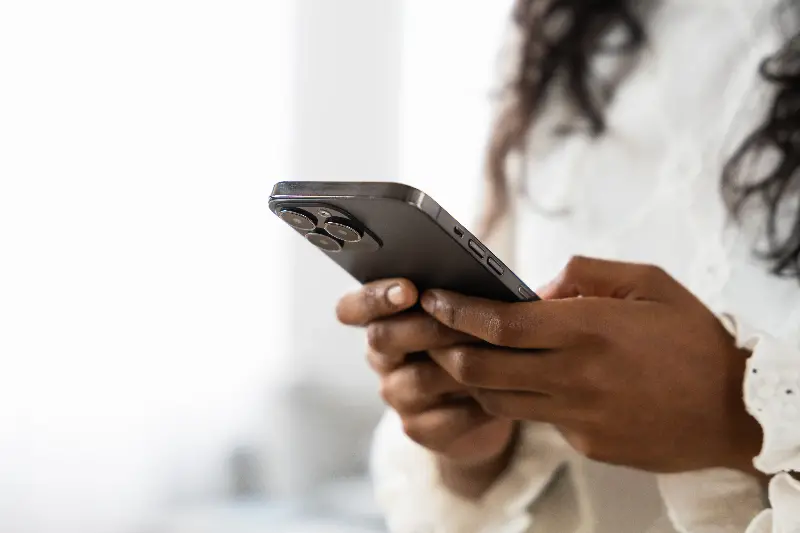
For many Gen Z Americans, unhappiness is starting to look less like a passing mood and more like a generational condition.
New findings tied to the new World Happiness Report 2026 suggest one major reason may be hiding in plain sight: social media.
Research released March 19 by the University of Oxford’s Wellbeing Research Center found that life evaluations among people under 25 in the United States, Canada, Australia and New Zealand have fallen sharply over the past decade—by nearly one point on a 0-to-10 scale.
Over the same period, average well-being among young people in much of the rest of the world has risen, according to the Oxford study.
Life Shaped by Anxiety
The report points to heavy social media use as a meaningful contributor to that decline, especially among girls in English-speaking countries and Western Europe.
In one international survey of 15-year-olds across nearly 50 countries, heavier use was associated with a significant drop in well-being, though researchers said the effects depend on the platform, how it is used and who is using it.
That conclusion arrives as more young adults describe a daily life shaped by anxiety, comparison and a constant feeling that they are falling behind.
In a Newsweek report on Gen Z women navigating work, dating and mental health, Serena, a 26-year-old social media manager in Baton Rouge, Louisiana, described the emotional toll of living online while trying to imagine a stable future.
“That makes me sad,” Serena told Newsweek, “Because I didn’t always feel this way.”
The Oxford findings suggest she is far from alone. Young people who use social media for less than an hour a day reported the highest levels of well-being—higher even than those who do not use it at all.
But adolescents are spending an estimated 2.5 hours a day on social media on average, according to university researchers.
Missing Out?
Jan-Emmanuel De Neve, director of Oxford’s Wellbeing Research Centre and an editor of the World Happiness Report, said the picture is more complicated than simply blaming screen time.
“The global evidence makes clear that the links between social media use and our well-being heavily depend on what platforms we’re using, who’s using them and how, as well as for how long,” De Neve said in the university’s announcement.
“Heavy usage is associated with much lower well-being, but those deliberately off social media also appear to be missing out on some positive effects.”
Even so, the broader trend is hard to ignore. The report found that social connection and a sense of belonging are tied to even bigger changes in life satisfaction than time spent online, raising a deeper question about what social media may be replacing.
For a generation raised in public, shaped by algorithms and pushed to perform connection instead of simply feeling it, the problem may not just be the phone in their hand. It may be everything that has made that phone feel essential.
Newsweek has reached out to experts from the University of Oxford for comment via email.