



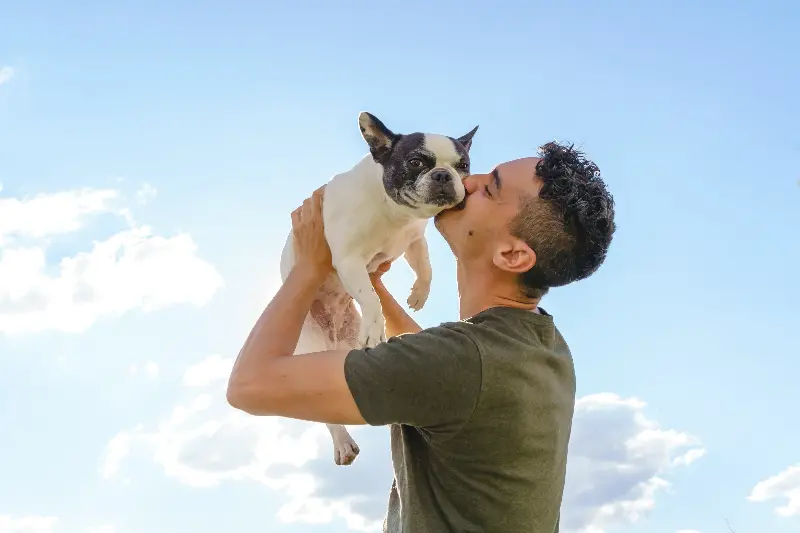
How someone treats animals can quietly reveal who they are at their core—from their level of empathy to their emotional maturity.
Pets are deeply woven into American family life. According to a 2023 Pew Research Center survey, 97 percent of U.S. pet owners consider their animals part of the family. Yet cruelty remains a grim reality. Shelter Animals Count estimates around 10 million animals die from abuse or neglect in the U.S. each year.
Psychiatrist Vinay Saranga, based in Apex, North Carolina, explained to Newsweek how our treatment of animals—whether nurturing or harmful—can highlight key psychological traits.
What Your Treatment of Animals Reveals About You
Saranga told Newsweek: “The first thing we can learn about how people treat animals is how empathetic they are.
“When someone shows empathy toward an animal, it tells us that they are wired to notice vulnerability and respond with concern.”
He added that “it’s a good test of power since animals can’t advocate for themselves. If someone is kind and eager to take care of animals, it shows they are responsible and kind hearted.”
Here are the key traits suggested by positive treatment of animals:
- High empathy: Saranga says someone who shows concern for animals typically has a broad capacity for empathy in all areas of life.
- Kind‑heartedness: A gentle approach toward animals often reflects a naturally caring nature.
- Responsibility and reliability: Because animals rely entirely on humans, caring for them signals follow‑through and maturity.
- Respect for power: Being compassionate toward beings who cannot advocate for themselves suggests someone who handles power ethically.
- Emotionally attentive: Responding to vulnerable animals, especially sick or elderly ones, can reveal emotional sensitivity and patience.
- Good coping skills: How someone reacts when an animal causes inconvenience (mess, illness, disruption) may mirror how they handle frustration or unexpected changes in relationships.
What Does It Say About Someone If They Are Abusive Toward Animals?
Saranga is clear that cruelty toward animals is more than a personality flaw—it’s a warning sign.
“Showing any kind of abuse to an animal is a major psychological red flag,” he said. “To me, it says they are unstable, someone who likes violence, has antisocial traits and perhaps some unresolved past traumas.
“This is a dangerous desensitization to suffering that should not be dismissed under any circumstances.
“What really bothers me is that this person is so emotionally numb that an animal’s suffering doesn’t faze them.”
He also raised serious concerns about whether the individual could harm people as well.
Indeed, researchers have previously found that animal abuse is very common in homes where domestic violence is happening—anywhere from 21 to 89 percent of these households reported it.
In many ways, our treatment of animals becomes a quiet mirror of our true character—and a reminder that compassion toward those who depend on us says more than words ever could.
Reference
Cleary, Michelle, et al. “Animal Abuse in the Context of Adult Intimate Partner Violence: A Systematic Review.” Aggression and Violent Behavior, vol. 61, Nov. 2021, p. 101676. ScienceDirect, https://doi.org/10.1016/j.avb.2021.101676.