



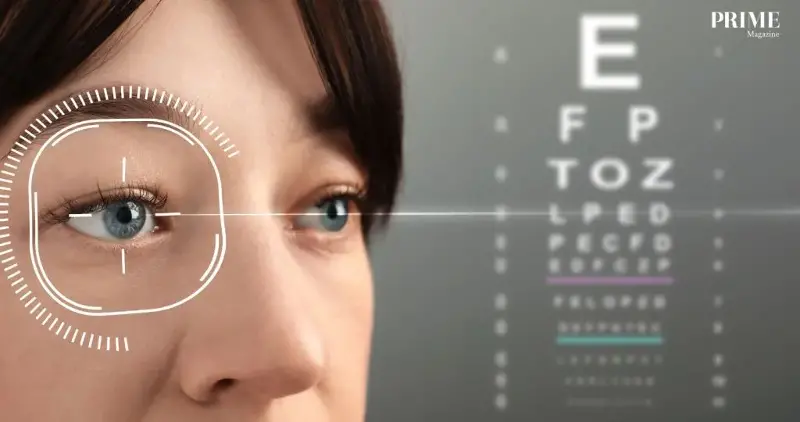
Glaucoma visual field test showing peripheral vision loss
Glaucoma is a chronic eye disease that damages the optic nerve and slowly reduces vision. It often affects peripheral vision first and can lead to irreversible blindness if left untreated. Doctors have long recognised high intraocular pressure (IOP) as the main risk factor. However, new research now points to another important contributor: long-term fluctuations in blood pressure.
A recent study led by scientists from the University of California, San Diego suggests that people with greater blood pressure variability may experience faster vision loss as glaucoma progresses. The findings highlight the importance of stable cardiovascular health in protecting eyesight.
Understanding Glaucoma and Vision Loss
Glaucoma damages retinal ganglion cells, which carry visual information from the eye to the brain. As these cells deteriorate, patients lose parts of their visual field. This process usually happens slowly, which makes early detection difficult.
Doctors commonly treat glaucoma by lowering eye pressure using medication, laser treatment, or surgery. While this approach helps many patients, some still lose vision even when their eye pressure remains well controlled. Researchers therefore continue to explore other factors that may influence disease progression.

Blood pressure measurement in clinical setting
Why Blood Pressure May Matter in Glaucoma
Healthy eyes rely on stable blood flow to deliver oxygen and nutrients to the optic nerve. Blood pressure helps regulate this flow. When blood pressure fluctuates widely over time, it may disrupt the eye’s ability to maintain consistent circulation.
The research team proposed that impaired blood vessel regulation could worsen optic nerve damage. They aimed to find out whether long-term blood pressure variability plays a role in accelerating glaucoma-related vision loss.
How the Study Was Conducted
The researchers analysed data from two long-running studies: the Diagnostic Innovations in Glaucoma Study and the African Descent and Glaucoma Evaluation Study. Together, these studies provided detailed health records for 985 patients, covering 1,674 eyes.
Participants underwent regular blood pressure checks and visual field tests between November 2000 and December 2022. The researchers tracked changes in peripheral vision over time and compared them with patterns in blood pressure and eye pressure.
Key Findings From the Research
The analysis showed a clear link between blood pressure variability and faster vision loss. Patients whose blood pressure fluctuated more over the years experienced quicker declines in peripheral vision.
Higher average blood pressure also showed a trend toward faster vision loss, although this result did not reach full statistical significance on its own. However, when higher blood pressure combined with greater variability, the risk of vision loss increased further.
The study also found that blood pressure variability had a stronger effect when intraocular pressure was higher. This suggests that unstable blood pressure and elevated eye pressure may work together to accelerate optic nerve damage.
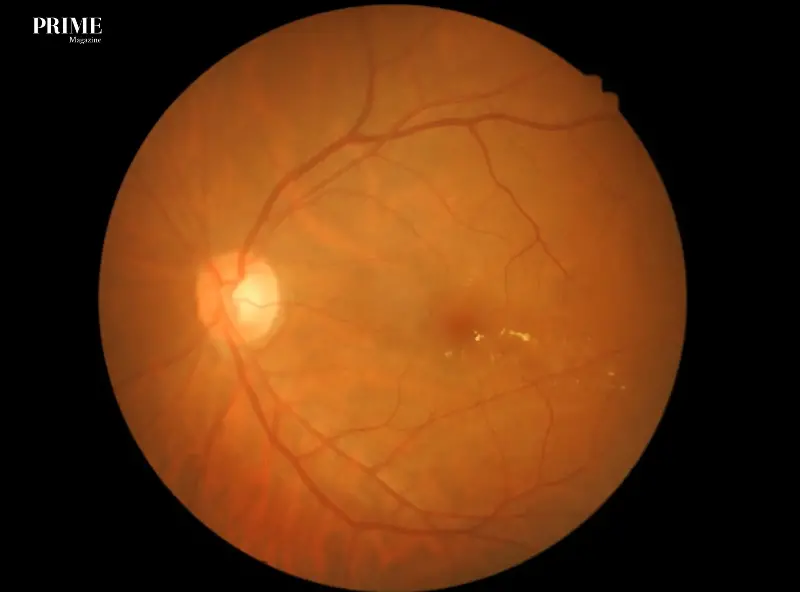
Medical illustration of retina, optic nerve, retinal ganglion cells
What This Means for Patients With Glaucoma
These findings suggest that managing glaucoma may require a broader approach than focusing on eye pressure alone. Stable blood pressure may play an important role in protecting vision over time.
Patients with glaucoma should not adjust their blood pressure medication without medical advice. However, the study highlights the importance of regular monitoring and overall cardiovascular health. Doctors may eventually consider blood pressure patterns when assessing glaucoma risk and progression.
The Role of Vascular Health in Eye Disease
The study supports the idea that glaucoma involves both eye-specific and systemic factors. Blood vessels throughout the body, including those supplying the eyes, may influence how quickly the disease worsens.
Researchers still need to determine whether blood pressure variability directly causes optic nerve damage or reflects underlying vascular problems linked to glaucoma. Future studies may help clarify this relationship and guide new treatment strategies.
Looking Ahead
The research adds to growing evidence that glaucoma is not just an eye disease, but a condition influenced by whole-body health. Long-term blood pressure stability may become an important factor in preserving vision.
As scientists continue to study vascular health and eye disease, patients may benefit from more personalised glaucoma care. For now, regular eye exams, consistent treatment, and good cardiovascular management remain key to slowing vision loss. PRIME