



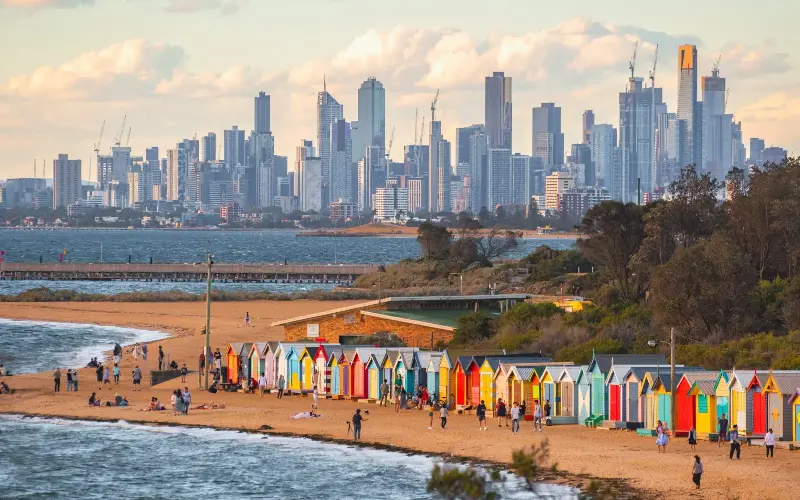
The Sydney-Melbourne rivalry harks back to the 1900s, when the newly formed Commonwealth of Australia needed a capital city and both vied for the honour. Canberra was chosen as a compromise, but the competition between the two still rages on.
However, Australia is no longer a tale of two cities. Increased costs of living and the Covid-era rise in remote work have shone a spotlight on the country’s other great metropolises – and they’re quickly catching up to the big hitters.
These cities generally score highly on liveability, and there’s something to love about each. But for the purposes of this article, I’ve rated them purely on international visitor appeal. Do let me know your thoughts in the comments below.
10. Cairns
How it ranks
- Cultural attractions: 1
- Scenery: 3
- Character: 2
- Accessibility: 3
- Food & drink: 2
Overall score: 11/25
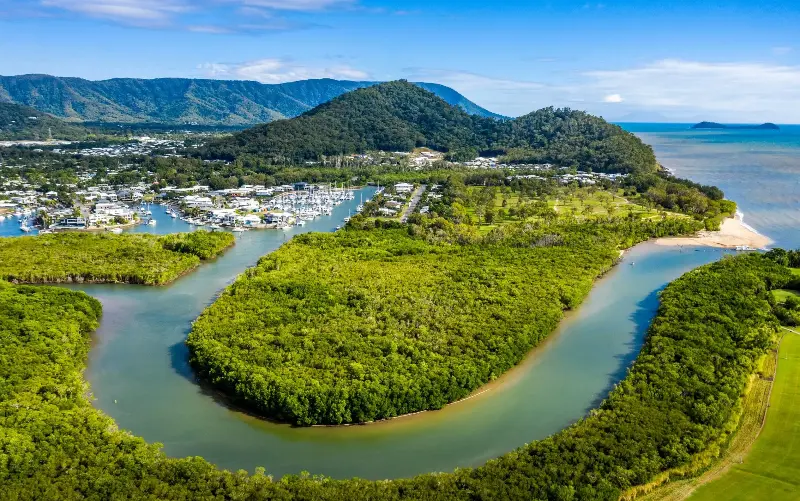
Poor Cairns has strong competition up there in Queensland’s tropical north. As the gateway to the Great Barrier Reef and the ancient Daintree Rainforest, the city itself takes a natural backseat. It’s a reliable base for holidaymakers, with a walkable city centre, accommodation to match every budget, and a handful of decent restaurants and bars. But it is just that: a base for exploring the wider region. Plus, there’s no natural beach. You’ll need to head north to the string of villages that stretch up to Palm Cove to find those.
Where to stay
Set on the waterfront esplanade, Crystalbrook Flynn is an upmarket option you’ll look forward to returning to after a day of outdoor adventures. Doubles from about £125 per night.
9. Darwin
How it ranks
- Cultural attractions: 2
- Scenery: 3
- Character: 3
- Accessibility: 3
- Food & drink: 2
Overall score: 13/25
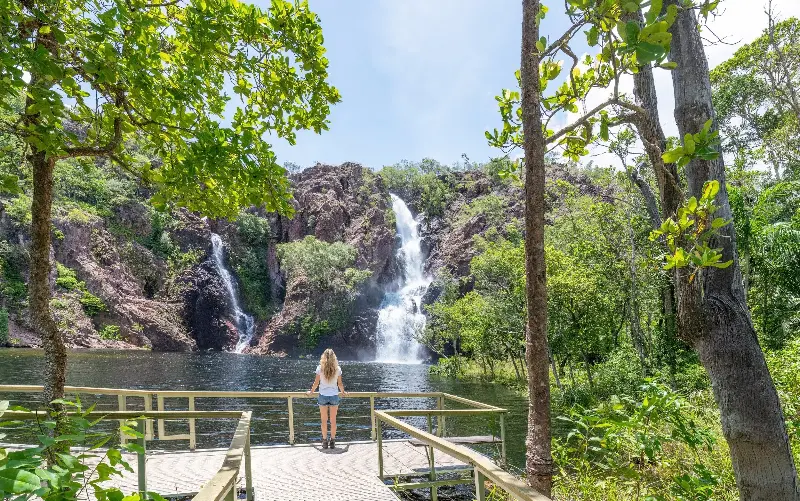
The country’s least-visited capital has hot temperatures, wild crocs and a sense that you’ve stumbled upon the real Australia. Of all its cities, Indigenous culture is probably most ingrained here and it’s on the doorstep of the most Australian of places: the Outback. Perhaps unsurprisingly given its northerly location, its dining scene has a strong South Asian influence, both in terms of flavours and its street-food markets. Sure, Darwin has a long way to go to catch up to the likes of Sydney or Melbourne, but you can’t deny that’s its unique.
Where to stay
Palms City Resort embraces Darwin’s tropical setting to create a lush oasis in the heart of the CBD. Doubles from about £85 per night.
8. Canberra
How it ranks
- Cultural attractions: 4
- Scenery: 2
- Character: 3
- Accessibility: 2
- Food & drink: 3
Overall score: 14/25
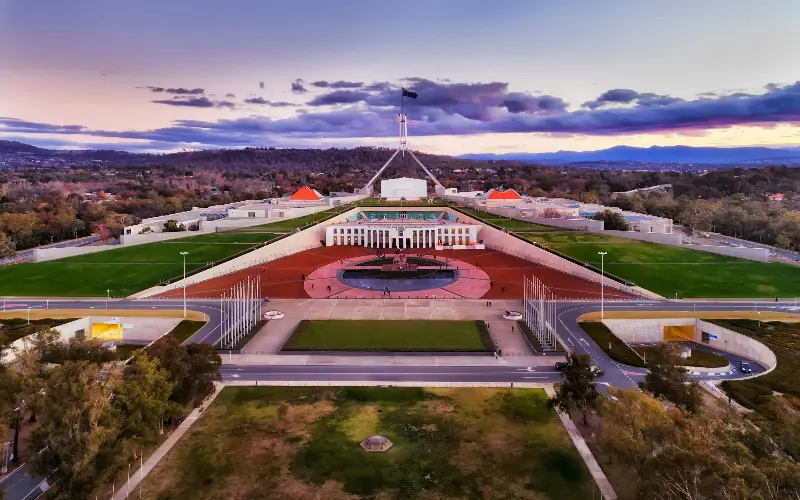
Form follows function in purpose-built Canberra. It works particularly well for car-owning residents, who champion its lack of traffic thanks to its 430-plus roundabouts and wide streets. This is also where you’ll find the country’s national institutions, including the Australian War Memorial, the National Archives and National Gallery of Australia (which houses Jackson Pollock’s Blue Poles and Sidney Nolan’s Ned Kelly series). An up-and-coming wine bar scene and youthful student energy have won it some fans. But, for visitors, the capital suffers from a lack of character that makes it hard to rave about.
Where to stay
The Hyatt Hotel offers timeless elegance close to Canberra’s cultural attractions. Doubles from about £125 per night.
7. Adelaide

How it ranks
- Cultural attractions: 3
- Scenery: 3
- Character: 3
- Accessibility: 4
- Food & drink: 4
Overall score: 17/25
The City of Churches has a new claim to fame: along with wider South Australia, its restaurants are the first in the country to be awarded Michelin stars. A marketing ploy, to be sure, but that doesn’t diminish the quality of Adelaide’s seven restaurants that earned a star (and the Magill Estate Restaurant, which got two). The city also wins for its easy-to-navigate centre, characterful Federation-era architecture and country-town vibe. Sadly, that’s where the tourist appeal ends; it’s best used as a jumping-off point to visit the wineries of the Barossa Valley.
Where to stay
On the former site of Rupert Murdoch’s Adelaide newspaper, The News, The Playford Adelaide puts a contemporary spin on Art Nouveau design. Doubles from about £197 per night.
6. Brisbane
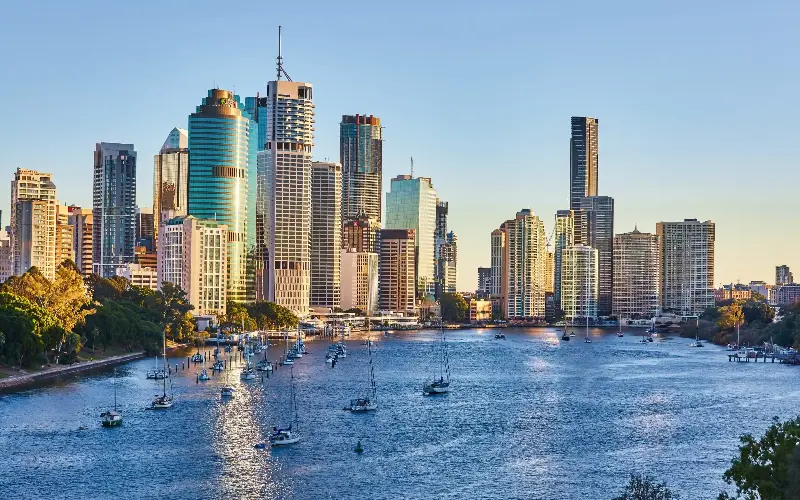
How it ranks
- Cultural attractions: 3
- Scenery: 4
- Character: 3
- Accessibility: 4
- Food & drink: 3
Overall score: 17/25
Much of “BrisVegas” is far lovelier than its nickname suggests. This city set on the looping Brisbane River doesn’t concern itself with the rivalry of its southern siblings. It doesn’t need to: everyday life is calmer, the weather more tropical, and it’s close to some of Queensland’s best bits, with enough to entertain for a day or two either side. Museum-hopping on the South Bank is a day well spent, followed by fabulous drinking and dining in the excellently named suburb of Fortitude Valley (after the British ship Fortitude that brought settlers to Queensland).
Where to stay
Stay close to the city’s top restaurants at The Calile Hotel in Fortitude Valley. It styles itself as an “urban resort”, but the pool is the star of the show. Doubles from about £310 per night.
5. Gold Coast
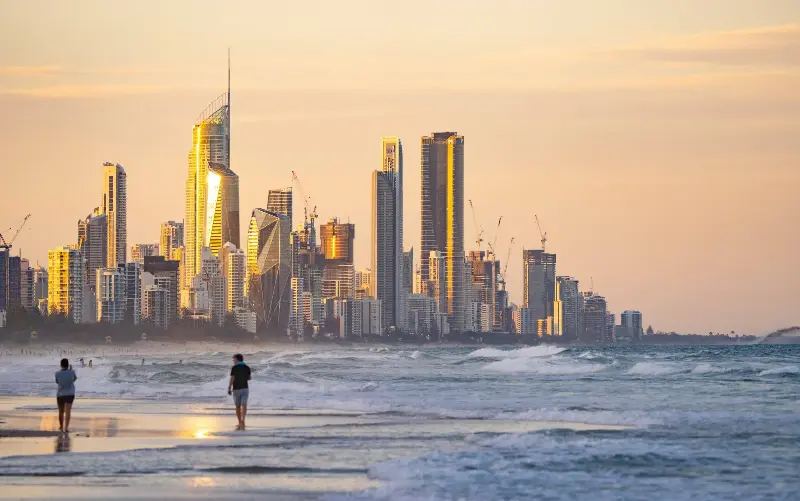
How it ranks
- Cultural attractions: 3
- Scenery: 5
- Character: 4
- Accessibility: 3
- Food & drink: 3
Overall score: 18/25
“The Goldie” has been threatening a full-on rebrand for decades. Its latest attempt? No longer the “glitter strip” but “the city that says yes”. It’s certainly moving away from its somewhat tacky (but overwhelmingly fun) reputation – think less bikini-clad meter maids, more wellness and foodie destination by the ocean. Whichever side appeals, it’s still Queensland’s entertainment heartland, complete with theme parks, golf courses and some of the best beaches in the country. Like the rest of the state, public transport costs are low – currently about 26p a trip.
Where to stay
The Gold Coast’s main appeal is that long golden beach, and The Langham is one of the few hotels that puts you right on the sand. Doubles from £307 per night.
4. Hobart
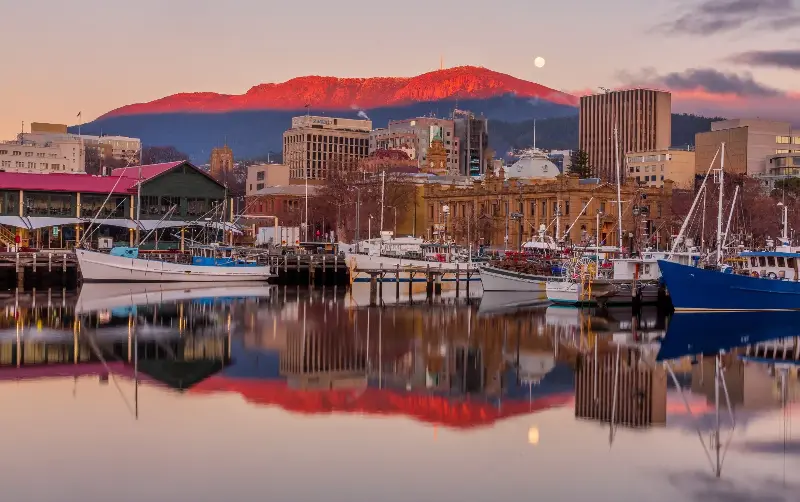
How it ranks
- Cultural attractions: 3
- Scenery: 4
- Character: 4
- Accessibility: 4
- Food & drink: 3
Overall score: 18/25
Tasmania is a byword for eerie in Australian pop culture. Part inspired by its impenetrable landscapes, part by its convict lore, it has long been the setting for many a spooky tale. Capital Hobart embraces it, not least with its winter arts festival, Dark Mofo, complete with a ceremonial totem burning and nude solstice swim. It’s organised by the Museum of Old and New Art, largely credited for bringing creativity to a city that was once considered a cultural backwater. Other highlights are its whisky, craft beer and culinary scenes, and the panoramic views from Mount Wellington.
Where to stay
The Henry Jones Art Hotel is a boutique stay that celebrates Tasmanian artists from its enviable harbourside locale. Doubles from about £245 per night.
3. Perth
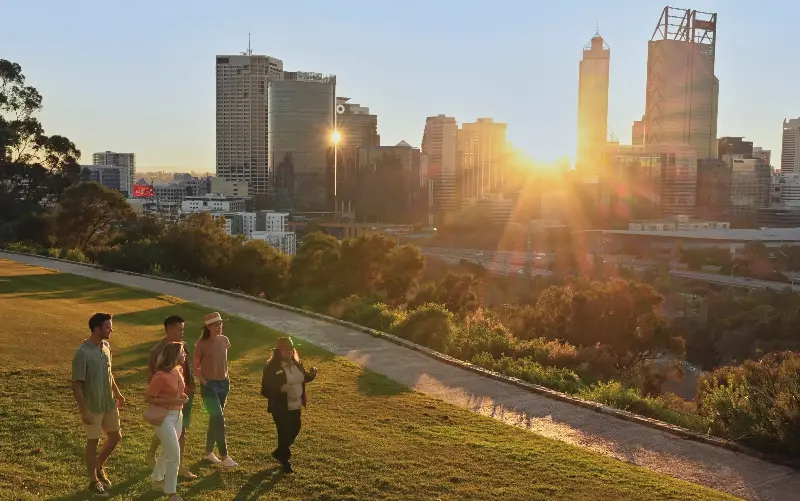
How it ranks
- Cultural attractions: 3
- Scenery: 5
- Character: 4
- Accessibility: 4
- Food & drink: 3
Overall score: 19/25
Record numbers of Britons visited Western Australia in 2025 – up 38 per cent on the year before. They’re on to something. Perth is the gateway to Australia’s largest state, and has a setting to rival Sydney, with a string of blonde beaches that get some of the most spectacular sunsets in the country (by virtue of being on the west coast, of course). The centre is fairly easy to explore on foot or by public transport. And while it isn’t quite within the city limits, Perth’s trump card is Rottnest Island, which is famed for its cheerful-looking quokkas.
Where to stay
Rooms at Alex Hotel play second fiddle to its communal spaces, but its location in Perth CBD is hard to beat. Doubles from about £149 per night.
2. Melbourne
How it ranks
- Cultural attractions: 5
- Scenery: 3
- Character: 5
- Accessibility: 3
- Food & drink: 5
Overall score: 21/25
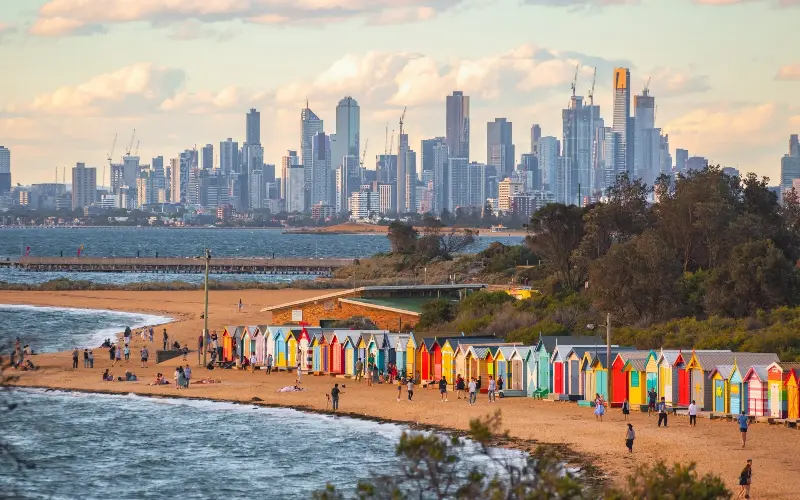
Melbourne’s perceived “Europeanness” garners praise from many visiting city dwellers. To me, it definitely doesn’t feel like Europe, but let’s count the similarities anyway. There’s café culture in little laneways à la Paris; like Lisbon, trams keep the city connected; and its music and arts scene could easily fit in Berlin or London. Even the weather, generally cooler by Australian standards, wouldn’t be out of place. It doesn’t have a lot of must-see sights, and it loses points for having no public transport from the airport, but if you want to play at living Down Under, Australia’s unofficial sporting capital and most liveable city is the place to do it.
Where to stay
Design-forward Hyde Melbourne Place puts guests in the middle of the city action. Doubles from about £132 per night.
1. Sydney
How it ranks
- Cultural attractions: 4
- Scenery: 5
- Character: 5
- Accessibility: 4
- Food & drink: 4
Overall score: 22/25
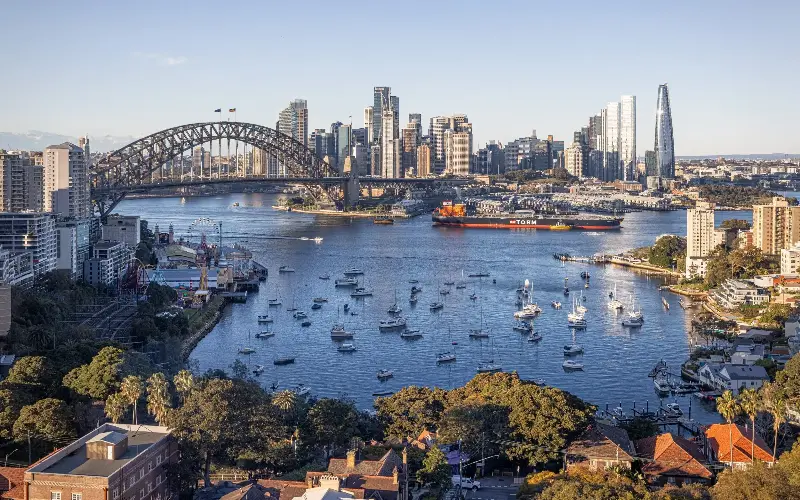
So there you have it – by just a single point, Sydney has pipped Melbourne to the post as Australia’s hands-down best city. It’s a well-deserved win: the obvious starting point for tourists is the country’s ultimate all-rounder – Sydney has the superficial stuff covered: the harbour, bookended by the Harbour Bridge and Opera House, is undeniably stunning, and golden beaches are plentiful. It backs up its sun-soaked style with substance, too. The food scene is varied and consistently excellent, and its cultural offerings are respectable, with a good range of museums and theatre – enough, at least, to satisfy city-breakers. I’ve knocked off a point for nightlife, however; in most places, on most nights, expect to be in bed well before midnight.
Where to stay
The EVE Hotel makes up for its lack of harbour views with fabulous interiors and a rooftop pool. Doubles from about £245 per night.