



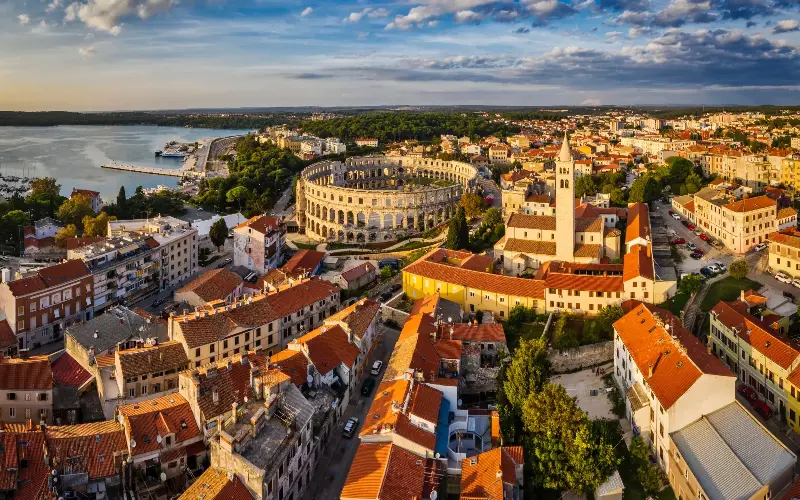
In the south of the heart-shaped Istrian peninsula, the port city of Pula surveys the deep blue Adriatic, its skyline dominated by the Arena, a monumental 2,000-year-old Roman amphitheatre. Each summer the Arena hosts open-air concerts, and during Advent a spectacular ice rink, but in autumn it basks in its naked stone glory, frequented solely by sightseers and the spirits of gladiators who once fought here.
The Romans conquered Istria in 177BC, founding Pula as its chief port and setting up agricultural estates in the rural hinterland, where they cultivated grapes and olives. No doubt they loved this time of year, when the summer heat began to subside and the rewards of labouring the land came to fruition.
Beyond Pula’s cultural attractions and pebble beaches, where bathers can enjoy still-warm waters, a road trip into inland Istria is an autumnal delight. Mysterious medieval-walled hilltowns rise above misty valleys, and the vineyards take on ochre and russet hues, complementing silvery olive groves and the golden-brown oak forests that conceal prized truffles.
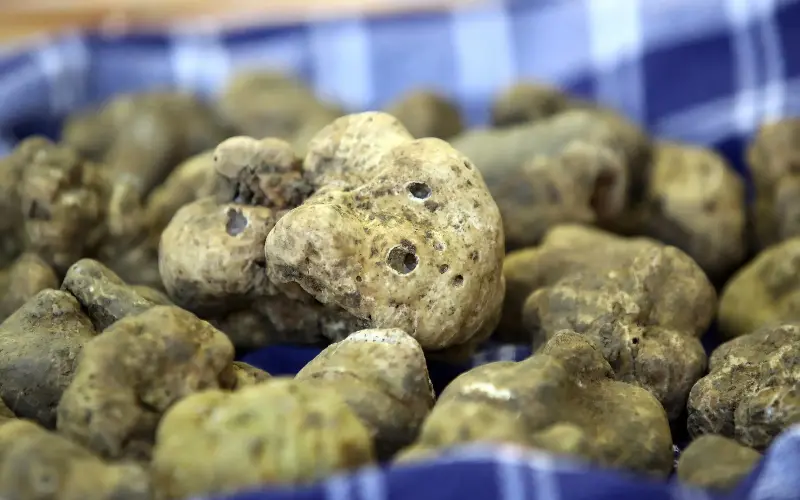
Gastronomes are in for some real treats. Rural konobe (taverns) serve dishes packed with black truffles all year, but white truffles are available only in autumn, with October being the peak month. “For us, autumn means white truffles and Teran red wine,” says Marko Fakin of Konoba Fakin in Motovun.
And foodie events abound, with Motovun staging the Teran and Truffle Festival (Oct 17-18), Livade hosting a month-long Truffle Fair (Oct 3-Nov 1), and Oprtalj putting on a Chestnut Festival (October 17-18), when the air fills with the sweet, smoky scent of roast chestnuts and the sound of live music.
What to do
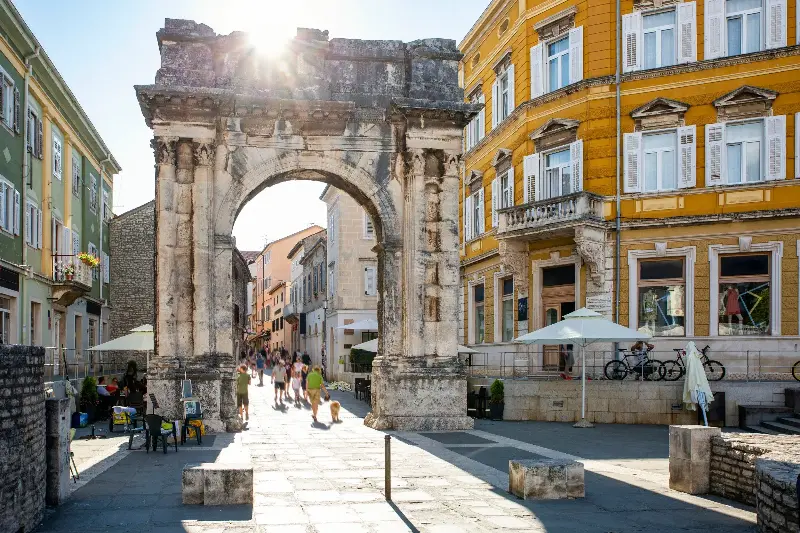
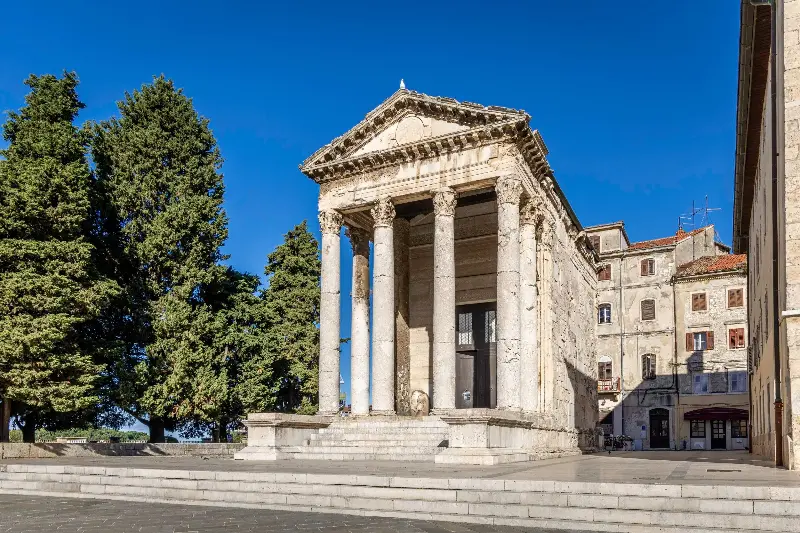
In Pula, see the Roman Forum, now the city’s main square, overlooked by the imposing Temple of Augustus, and the spectacular Arena. Then hike up to the 17th-century Venetian Kastel hilltop fortress, housing the Historical & Maritime Museum, with sweeping views over the port from its ramparts. Also check out the covered market, where stalls display colourful seasonal fare like pumpkins, pomegranates, mandarins, walnuts and porcini mushrooms.
For an island trip, head to Fazana and catch a boat to Brijuni National Park. Once Tito’s favourite retreat, where he entertained world leaders and film stars, its carefully tended parkland is home to fallow deer, mouflon, peacocks, and an 18-hole golf course.
Wine-lovers should drive (around 35 miles) to the walled, medieval hilltown of Motovun, a huddle of quaint cobbled alleys and old stone buildings, with panoramic views over vineyards and the Mirna Valley, and call at the Tomaz winery to sample its award-winning bold red Teran and fresh white Malvazija. You might also join a truffle-hunting trip with Karlić Tartufi in Paladini, near Buzet, followed by a cooking demonstration and a light lunch.
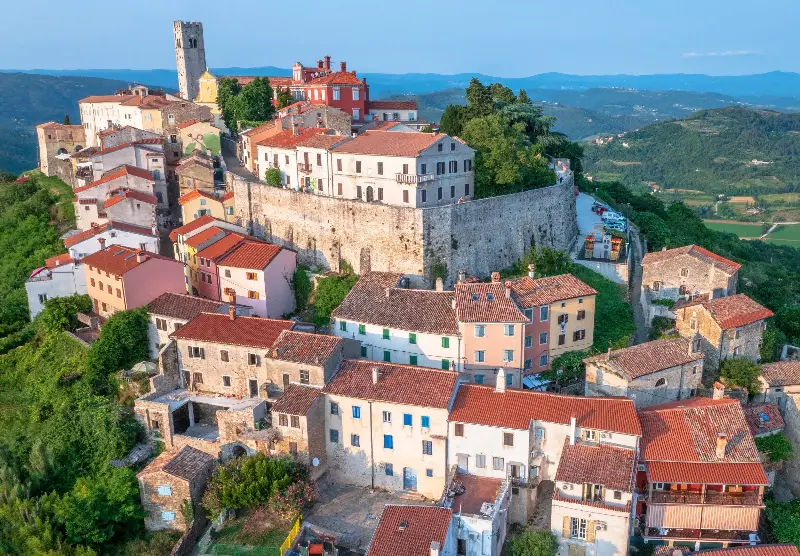
If time allows, continue north (a further 15 miles) to tiny Momjan, where the welcoming Kozlović winery produces Muskat Momjanski, a sweet dessert wine unique to the area.
Return to Pula via Rovinj, on Istria’s west coast, stopping for a sunset drink overlooking the stunningly photogenic fishing harbour, rimmed by Venetian-era pastel-coloured facades.
Where to eat and drink
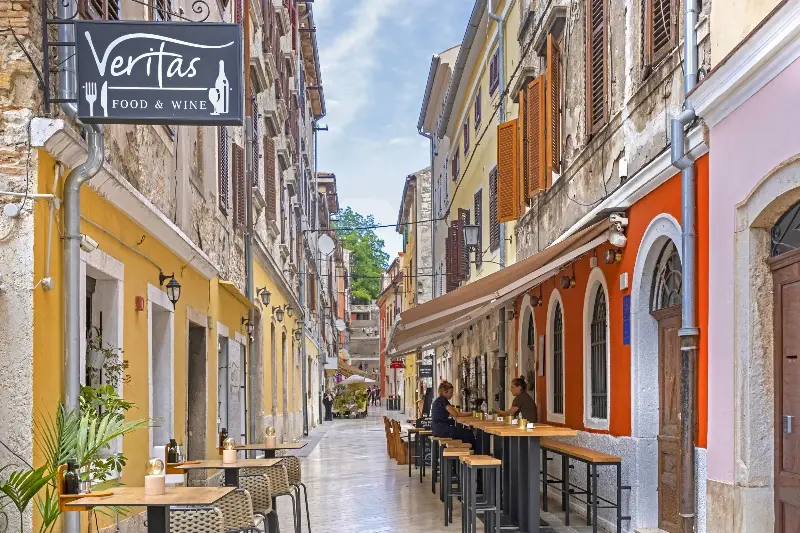
Homemade pasta, truffles, fresh Adriatic seafood and Boskarin beef abound in Istria. To sample a range of Istrian fare, head for family-run Veritas Food & Wine in Pula’s old town. In Verudela, near the Grand Hotel Brioni, upmarket Ribarska Koliba specialises in fresh fish and Kvarner shrimp, overlooking the boats in the Veruda marina. For drinks, try hip Cafe Cvajner on the Forum square, with mismatched retro furniture and wall frescoes, or Cafe Bar Uliks, in a building where James Joyce once resided.
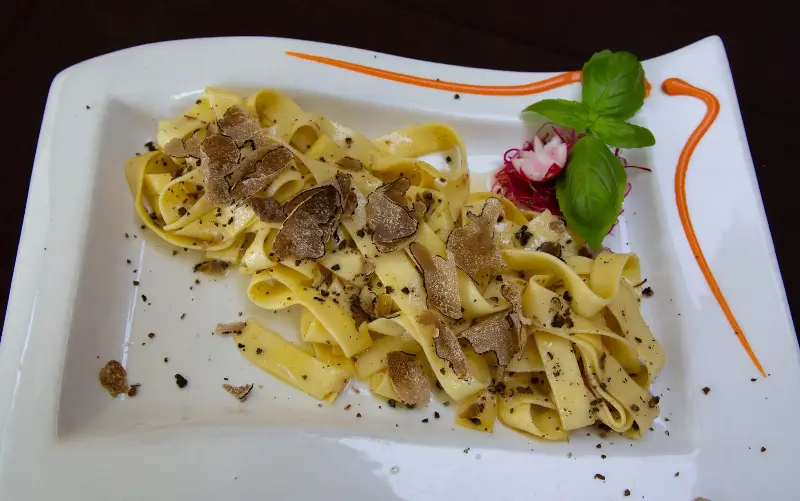
If you visit Brijuni National Park, Alla Beccaccia, near Fažana, does superb grilled meat in a wooden-beamed dining room with an open fireplace. Moving inland, Konoba Fakin, in Motovun, affords views over the Mirna Valley and its autumn favourite is Istrian fuzi pasta with fresh grated white truffle, while up in Momjan, Stari Podrum serves hearty soups, mushroom frijate (omelettes), and steaks with truffles in a stone cellar with a fireplace.
Where to stay
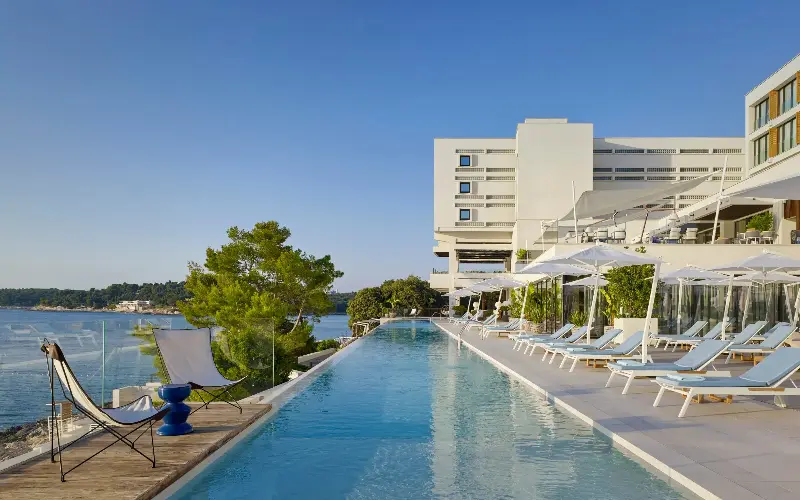
Hotel prices drop sharply once the summer rush subsides. My favourite place to stay, open all year, is the Grand Hotel Brioni, by the sea in Verudela (a few miles south of the city centre), with a 60m infinity pool and a spa.
Another fine choice is the smaller Boutique Hotel Valsabbion, next to Pjescana Bay beach, also in Verudela. For something simple and central, try the 12-room Hotel Scaletta, just a three-minute walk from the Arena. Out of town, Meneghetti Wine Hotel, amid vineyards near Bale, offers plush residences, gourmet dining and wine tasting.
Insider tips
“There’s a whole world to be discovered below Pula’s ancient Roman streets – a network of tunnels connecting the Kastel hilltop fortress to the centre of the town,” says Alex Zivkovic, general manager at Hotel Grand Brioni. “Built when Pula was Austro-Hungary’s main military naval port, this underground network is known as Zerostrasse, and a walkthrough museum exhibits artefacts from that period.”
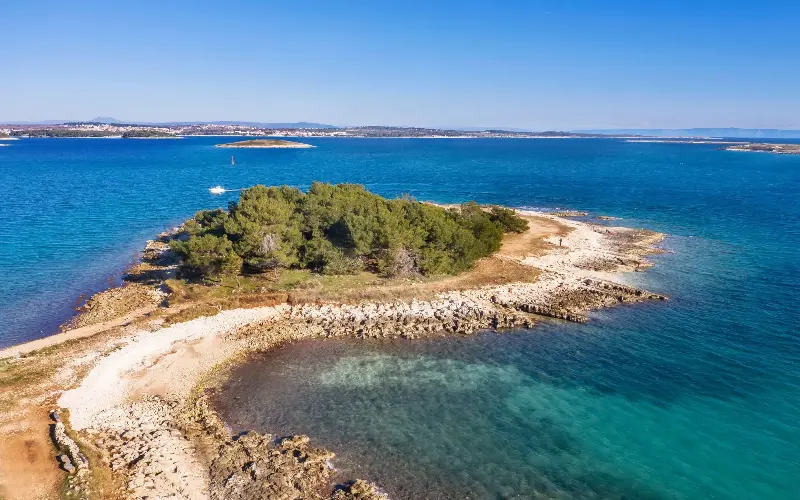
Vintner Antonella Kozlović from Momjan says: “Near Pula, I would recommend a drive to Cape Kamenjak, the part of Istria most exposed to the sea, for a wonderful sunset, and a visit to the Chiavalon family farm and olive oil mill near Vodnjan. If you come north, visit our winery, then eat at the excellent Stari Podrum.”
How to get there
EasyJet flies direct to Pula from London Gatwick until October 30; Jet2 flies from Manchester until October 15; Ryanair flies from London Stansted until Oct 22.