



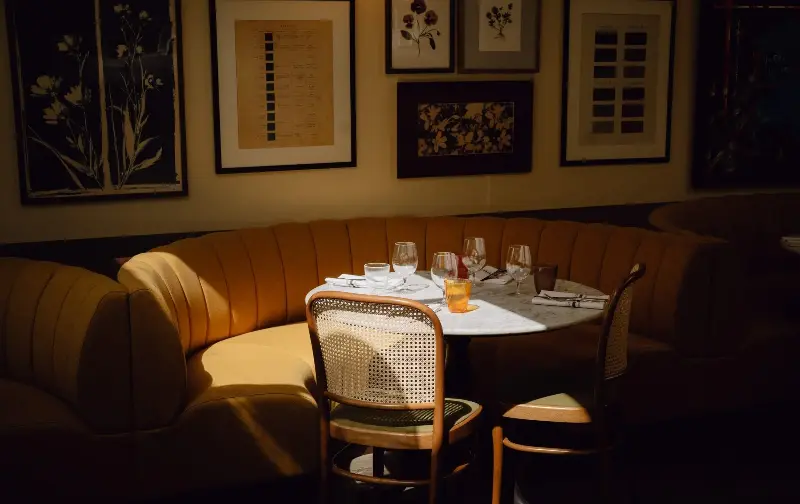
I don’t, of course, know what the brief to the architect and interior designer of the Jack O’ Newbury was. But “ruin it” would pretty much sum it up.
Although, perhaps it’s apt for the area. Highly appropriate, in fact, in this part of Berkshire where once Henry VIII would gallop through the forests of Bracknell but what remains are ever-sprawling industrial areas, warehouses and offices. Yes, there is still some countryside, but one fears for the worms and the mushrooms. Their days are surely numbered.
I suppose that after decades of keeping its head down as a modest and quaint late-Victorian building of gables and red brick, in which pints were pulled and moderate food served, the Jack O’ Newbury couldn’t have held out any longer. Like a marauding army rooting out shivering locals taking shelter in the cellar, the call of progress was bound to sound poor Jack’s death knell.
And so there aren’t just three fronted gables but four, so the place looks more like a street than a detached house. And the red brick is gone, hidden under timber cladding and painted render. Of the pub within, gone is the village inn, replaced with a sort of off-the-shelf pub design – an AI rendering of clean and mismatched furniture.
The bar stands proud at the entrance, and to the right there’s a lamentable attempt at snug cosiness. A dark-stained pine dresser is filled with books no one will read and games no one will play and, across the place, there’s a collection of the most revolting art imaginable.
The restaurant itself has all the charm of a new-build cafeteria at an old folks’ home – “assisted-living chic”, as my dining companion, my sister Henrietta, put it. Perhaps that’s why the walls hang with gauche and garish art. As you contemplate your final days, it grabs the eye and stops you falling asleep in your soup. It also clashes horribly with the furniture.
There is succour, however, in the service, which is attentive and professional, and in some of the food.
The menu aims to be that of a finessed gastropub. So it presents an appetising stroll across the cuisines of the world. Nibbles include Scotch eggs, lamb kofta, prawn toast and empanadas. Starters offer a bao bun with braised pork, or sweetcorn soup.
There’s linguine, fish and chips, braised ox cheeks with khao soi (a Thai curry noodle soup), and there are steaks, chops and prawns from the grill. A magic carpet ride around the world it may be, but in delivery it lacks punch.
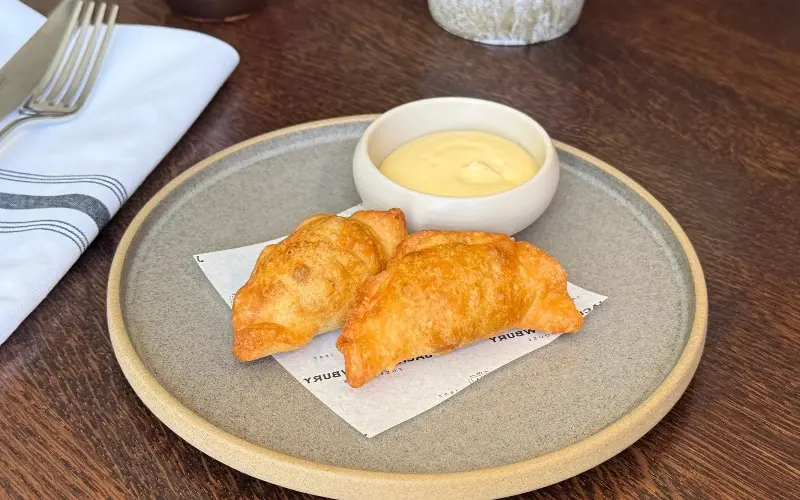
The highlights are the starters. Sesame prawn toast was fried in fresh, clean oil, had a perfect crunch, and the prawns within were beautifully soft. Similarly, beef brisket empanadas were a delightful bite, with good pastry, rich beef and a wonderful dip of chilli mayo.
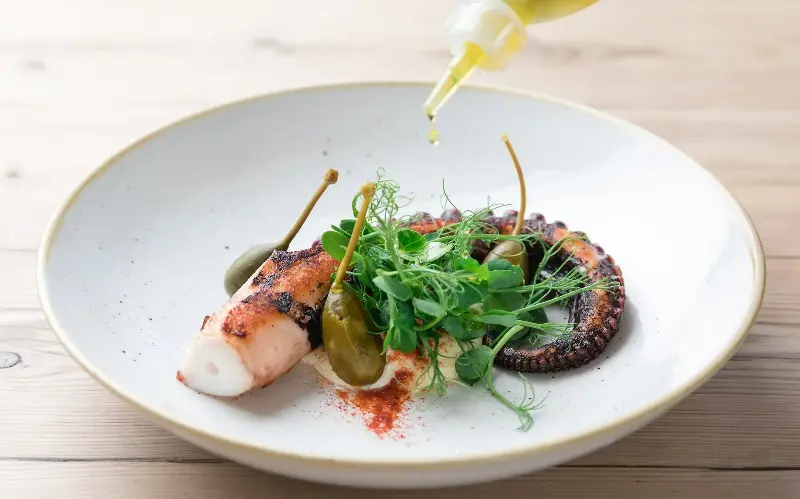
But a plate of grilled octopus saw the single tentacle well softened but lacking any char, while the hummus it came with reminded me that it should be law to serve such a dish only with fava beans.
My main course of prawns had the shells removed (error: the point is to get down and dirty), and while the garlic butter was spot on, the shellfish itself was a touch overcooked.
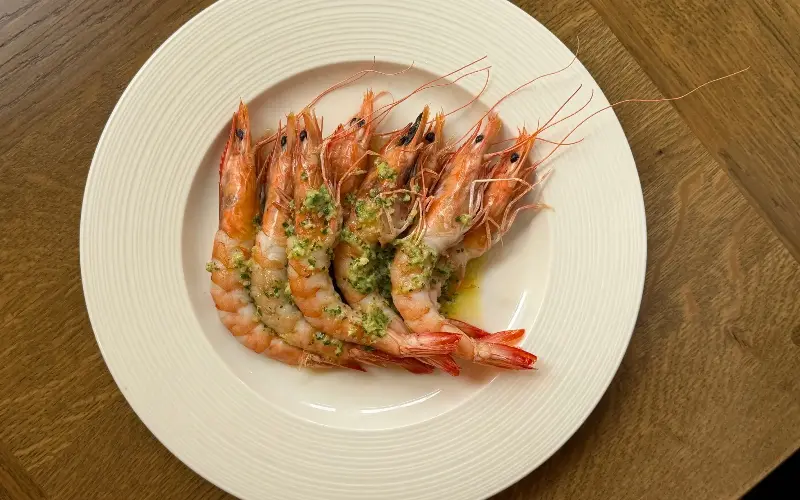
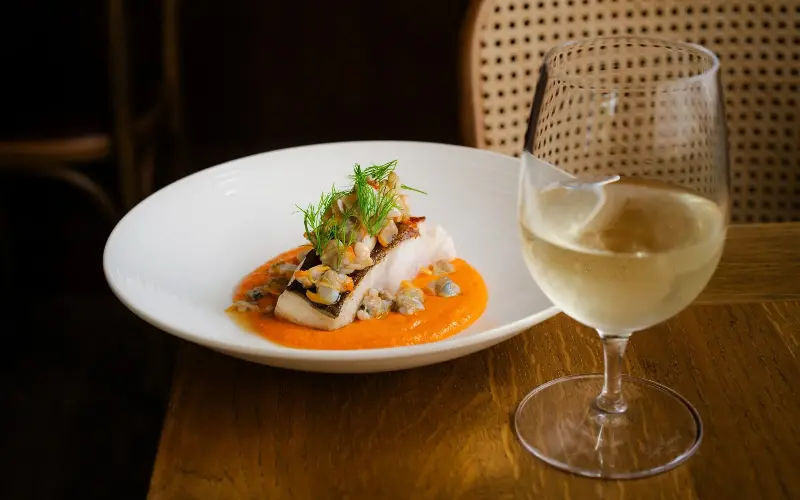
Meanwhile, my sister languished with a well-cooked piece of cod let down by an unnecessarily vast and overwhelming pond of romesco sauce. Chuck the orange sauce on the walls and it would match the paintings.
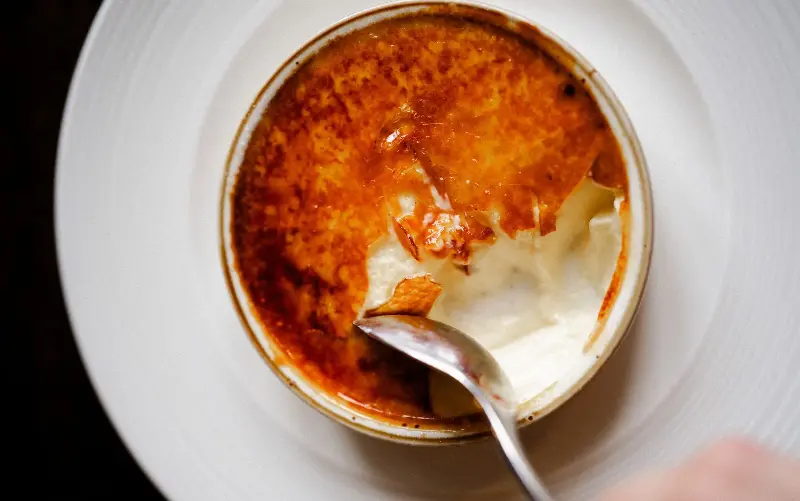
We shared a pretty-looking “burnt cream” for pud, but it broke the cardinal rule of crème brûlée, which is that the cream should be left out of the fridge so it’s all room temperature before the blow torch is applied.
When the spoon unearths a cooler mixture, like a cold patch in the Greek sea when you’re searching for sea urchins, the chef doesn’t make it through to the next round.
Perhaps, in a decade or so – if the place can get a little rough around the edges, the tinny piped music in the paved garden can be ripped out, the art rightly condemned and swapped – this place might have its heart restored.
But right now, alas, poor Jack, for what has become of you?