



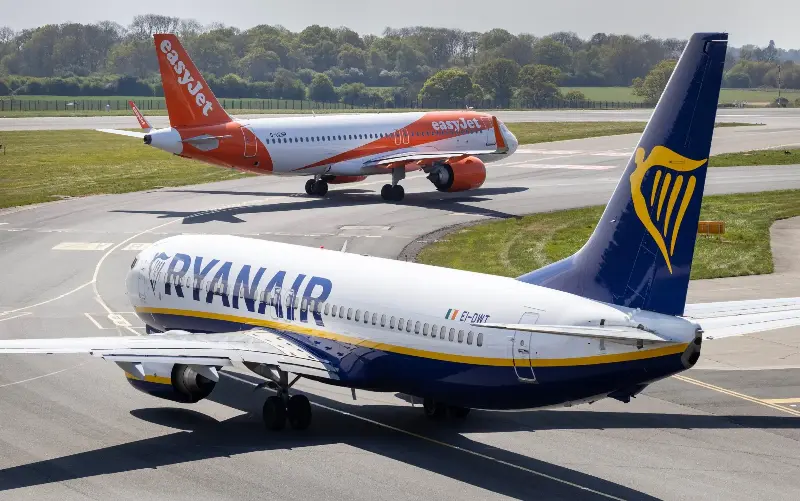
Soaring fuel costs are causing wholesale flight cancellations this winter. As a result, tens of thousands of airline passengers with existing bookings weeks or months from now are being told that their departures have been grounded.
At the beginning of the year, the price of a barrel of aviation fuel was under $100. This week, the International Air Transport Association says the current price of fuel in Europe is twice as expensive, at $196 per barrel.
The bosses of Ryanair and easyJet, Europe’s two biggest budget airlines, say they have “hedged” most of their fuel needs for the months ahead – locking in fixed prices, well below the current level. But an increasing proportion of supply is unprotected. Michael O’Leary, chief executive of Ryanair, told The Telegraph: “We’ve been reasonably well hedged on fuel through the summer of 2026. We’re less well hedged into the winter.”

Rather than paying sky-high rates for the “unhedged” portion, at a time of weak demand it is cheaper for airlines to keep some aircraft parked than to use them for loss-making flights. As a result both Ryanair and easyJet are cancelling thousands of flights that are already partially sold. Last week, easyJet’s chief executive, Kenton Jarvis, said a further 700,000 seats would be taken out of the winter schedule – on top of a similar number announced earlier.
Other carriers are likely to follow suit. With many passengers now being told they will not travel as planned, these are the key questions and answers.
Are airlines allowed to cancel flights just to save money?
Yes. Grounding departures on commercial grounds is a long-standing industry practice. It reduces costs for the airline and concentrates passengers on the remaining departures, which pushes up fares.
In March and April 2026, when fears of fuel shortages started to spread, all the leading airlines said they would fly their full schedules for the summer. With some exceptions – such as the air-traffic-control failures at National Air Traffic Services (Nats) – they have kept that promise. But aviation is a low-margin business. Once winter sets in, the figures can start looking scary for airline accountants. With at least two weeks’ notice of a cancellation, there is no obligation for the carrier to pay compensation. But they must comply with strict rules on offering suitable replacement flights as an alternative to a full refund.
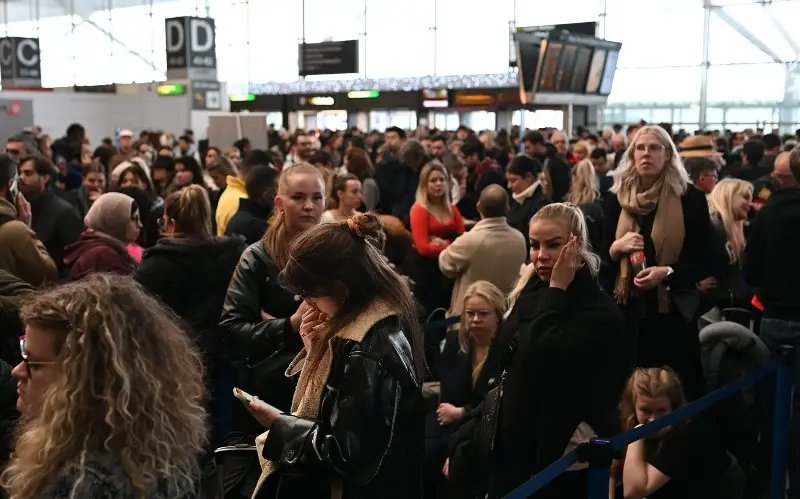
Which flights are being cancelled?
The least damaging way to fillet flight schedules is to choose routes with multiple departures, which appears to be easyJet’s strategy. Between Gatwick and Amsterdam, for example, easyJet has up to six flights each way. Grounding the 3.15pm and moving passengers to the 1.40pm or the 6.05pm will probably minimise grumbles.
Ryanair is doing things differently: targeting the days of the week and times of year with lowest demand. Mr O’Leary said: “We’re taking out a lot of flights on Tuesdays, Wednesdays, Saturday afternoons, Sunday mornings before lunchtime, late November, early December, and capacity in the middle of January.”
On the Ryanair route between London Stansted and Palma, for example, there are no flights on Tuesdays and Wednesdays from the second week in November through to the week before Christmas.
What are my rights if my flight is cancelled in advance?
When you are booked with a UK or EU airline, or flying from an airport in the UK or EU, you have significant rights under the “261” legislation. While these rules are mainly focused on short-notice cancellations, they also provide three options if your flight is cancelled weeks or months ahead.
You are entitled to a full refund, including the return leg if you have booked one, within a week. Most passengers, though, will prefer to travel as close to their original schedule as possible. Accepting a refund negates your rights to a replacement flight.
The Telegraph has heard from many readers who say their airline has moved them to a different day and they have not been offered any alternative – apart from a refund. But the Civil Aviation Authority says: “Although most airlines will book you onto another of their flights to the same destination, if an alternative airline is flying there significantly sooner... then you may have the right to be booked onto that alternative transport instead. You can discuss this with your airline.”
For example, if your booked flight from Manchester to Malaga on December 1 is cancelled, and the airline has no other departure that day, you need not accept being moved to November 30 or December 2 if another carrier can provide a flight. The airline that cancels the flight must pay for your ticket.
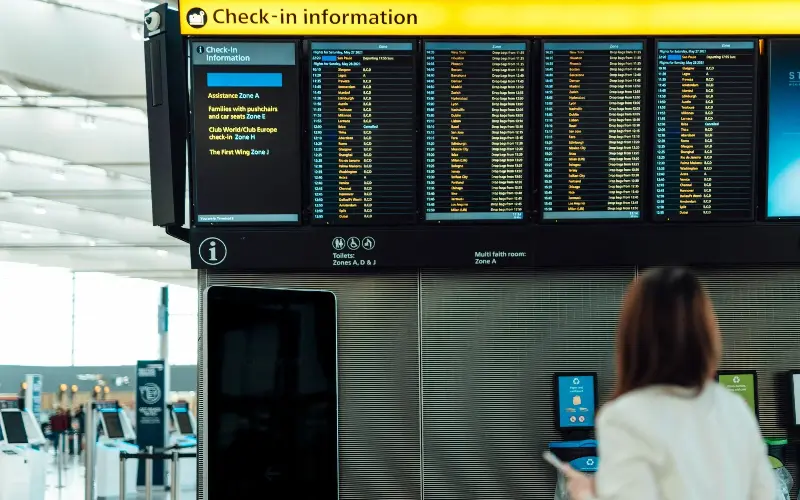
The third option is to switch to a flight “at a later date at the passenger’s convenience, subject to availability of seats”. Some crafty travellers have used a cancellation to their advantage – for example requesting a replacement flight during the school holidays, when fares are normally much higher.
What about additional expenses triggered by the cancellation?
If your replacement flight involves different airports serving the same city, such as Luton to Milan Malpensa instead of Gatwick to Milan Linate, then you can claim for any extra transport expenses. But if you have booked accommodation or car rental separately, and end up travelling on a different day, the airline will not compensate you for such “consequential losses”. You may find your travel insurance covers these circumstances.
My flight hasn’t been cancelled, but the departure time has been changed by several hours and is no longer convenient. What are my rights?
The rules are somewhat opaque, but experience shows that airlines such as easyJet, Ryanair and Wizz Air will allow you to cancel for a full refund if the change is regarded as “significant”; up to an hour won’t count, three hours or more probably will.
Some carriers may also allow you to switch to a flight on a day either side of the original if that timing is more convenient. But you are not entitled to a replacement flight on a different airline at the cancelling carrier’s expense.
I had a “self-connect” trip booked which now doesn’t work. Can I claim?
No. Booking two low-cost flights with a view to connecting is a strategy with risk attached. If the first flight is moved an hour later, leaving insufficient time for the connection, you are likely to lose all your money. A company called Dohop sells a protection policy that provides suitable replacement flights.