



Antioxidants play a crucial role in neutralizing free radicals and reducing the risk of chronic diseases. Besides green tea, many other familiar foods also provide abundant sources of these substances, making them easy to incorporate into your daily diet.
1. The role of antioxidants in health
- 1. The role of antioxidants in health
- 2. Suggestions for foods rich in antioxidants
- 2.1 Turmeric: The active ingredient curcumin helps fight inflammation.
- 2.2 Spinach: A rich source of antioxidant vitamins
- 2.3 Pomegranate: Enhances cardiovascular protection
- 2.4 Beetroot: Supports detoxification and reduces inflammation
- 2.5 Nuts: Protecting cells and the cardiovascular system
- 2.6 Dark chocolate: Rich in beneficial flavonoids
- 2.7 Blueberries: Boost brain function
- 3. How to supplement antioxidants appropriately?
Antioxidants are compounds that can neutralize free radicals – unstable molecules produced during metabolism or due to environmental factors such as pollution, cigarette smoke, and ultraviolet radiation.
When accumulated in excess, free radicals cause oxidative stress, damaging cells and being linked to many chronic diseases such as cardiovascular disease, diabetes, cancer, and premature aging.
Supplementing with antioxidants from natural foods is a safe and effective way to support the body in maintaining biological balance. Not only green tea, but many familiar foods in our daily meals also provide large amounts of these compounds.
2. Suggestions for foods rich in antioxidants
Here are some antioxidant-rich foods that are readily available and suitable for the Vietnamese diet:
2.1 Turmeric: The active ingredient curcumin helps fight inflammation.
Turmeric is a common spice in cuisine and traditional medicine. Its main component is curcumin – a compound with strong anti-inflammatory and antioxidant properties. Studies show that curcumin may help reduce chronic inflammation, improve liver function, and contribute to protecting cells from damage caused by oxidative stress. However, curcumin's natural absorption is not high, so combining it with black pepper or healthy fats can enhance its effectiveness.
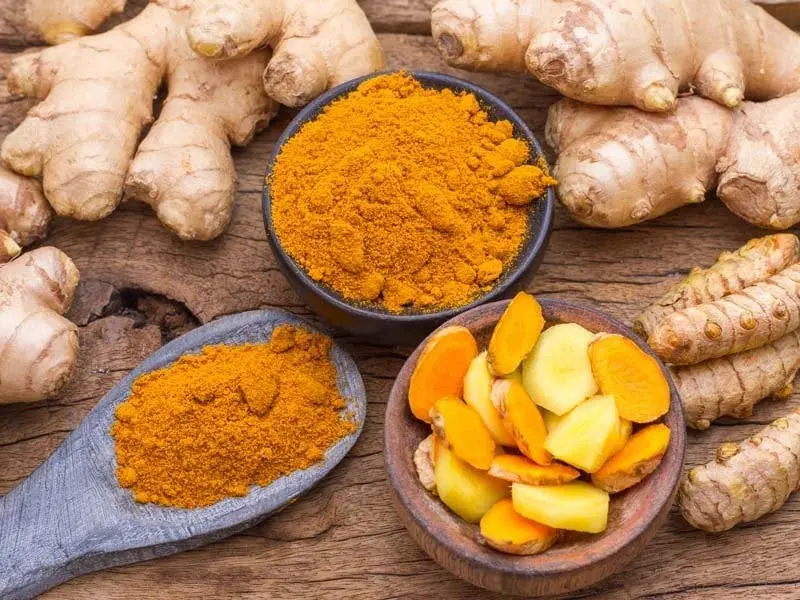
Turmeric is a popular spice in cuisine known for its antioxidant properties.
2.2 Spinach: A rich source of antioxidant vitamins
Spinach is a leafy green vegetable rich in vitamin A, vitamin C, and antioxidants such as lutein and zeaxanthin. These substances help protect the eyes, reduce the risk of macular degeneration, and support inflammation reduction in the body. In addition, spinach provides fiber and minerals essential for cardiovascular health.
2.3 Pomegranate: Enhances cardiovascular protection
Pomegranates are rich in polyphenols, especially punicalagin – a powerful antioxidant. Some studies suggest that pomegranates may have higher antioxidant capacity than many popular beverages. Adding pomegranates to your diet may help lower blood pressure, improve vascular function, and reduce the risk of cardiovascular disease. Pomegranates can be eaten fresh or juiced, but added sugar should be limited.
2.4 Beetroot: Supports detoxification and reduces inflammation
Beetroot contains betalain – the pigment that gives it its characteristic red color, and it's also an antioxidant with anti-inflammatory and detoxification properties. Additionally, beetroot is rich in natural nitrates, which help improve blood circulation and support blood pressure control. This makes it a suitable food for those needing to boost cardiovascular health and improve physical fitness.
2.5 Nuts: Protecting cells and the cardiovascular system
Nuts like almonds, walnuts, and cashews are rich in vitamin E – a fat-soluble antioxidant that helps protect cell membranes from damage. In addition, nuts provide unsaturated fats, which are beneficial for cardiovascular health. Eating a small amount daily (about a handful) can help lower bad cholesterol and support overall health.
2.6 Dark chocolate: Rich in beneficial flavonoids
Dark chocolate, especially that containing 70% cocoa or more, is a rich source of flavonoids. These are a group of antioxidants that improve blood circulation and support cardiovascular function. However, it should be consumed in moderation as chocolate is still high in calories. Choose low-sugar products and avoid overconsumption.
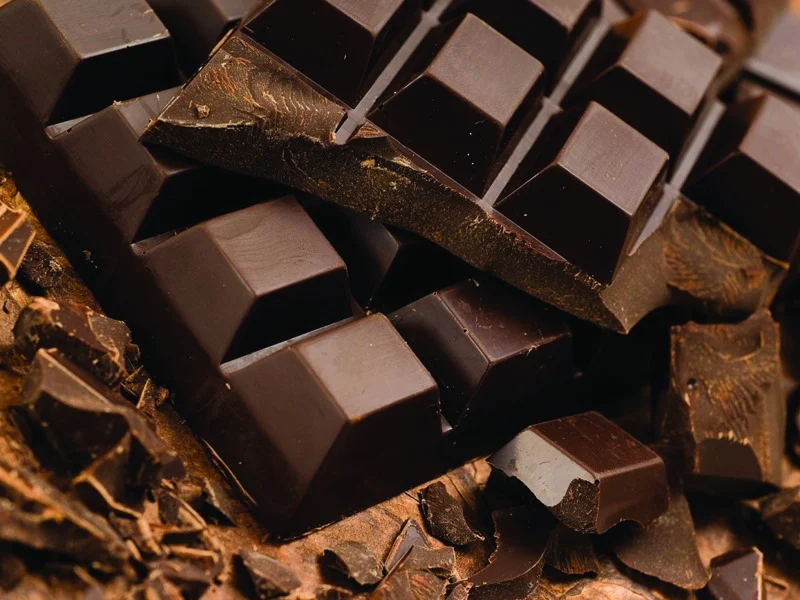
Dark chocolate, with its antioxidant properties, can improve blood circulation.
2.7 Blueberries: Boost brain function
Blueberries are notable for their high anthocyanin content – antioxidants that protect nerve cells. Several studies suggest that consuming blueberries may improve memory, slow cognitive decline, and help prevent brain aging. They are a suitable fruit for all ages.
3. How to supplement antioxidants appropriately?
Antioxidant supplementation should be achieved through a varied and balanced diet. One should not rely on a single food or use supplements without the guidance of a healthcare professional.
Some principles to keep in mind:
- Prioritize natural, minimally processed foods. Combine a variety of food groups.
- Increase your daily intake of vegetables and fruits.
- Limit processed foods, those high in sugar and saturated fat.
- Maintain a healthy lifestyle, including exercise and getting enough sleep...
Antioxidants play a crucial role in protecting the body from the effects of free radicals and reducing the risk of chronic diseases. Besides green tea, many common foods such as turmeric, spinach, pomegranates, beets, nuts, dark chocolate, and blueberries are rich sources of antioxidants. Building a diverse and balanced diet will help the body maximize the benefits of these compounds, contributing to long-term health.
Please watch the video for more information: