



In countries like Japan, South Korea, and Singapore, public transportation is so good that tourists don't need to use taxis.
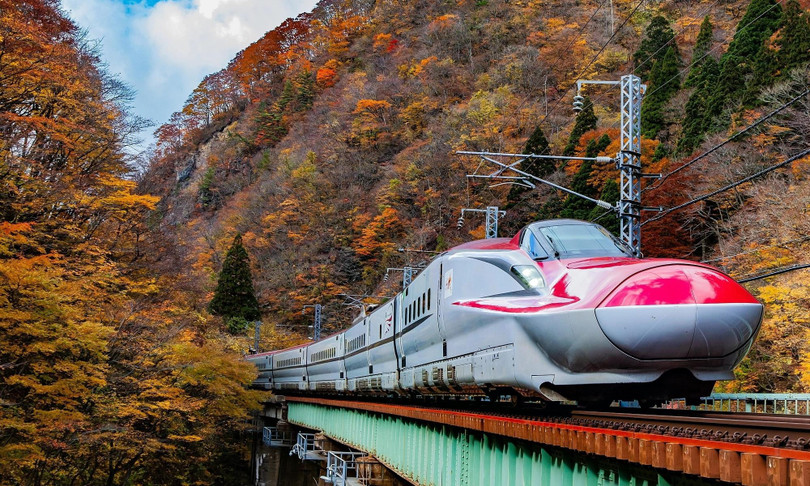
In some destinations, calling a taxi is almost the first reflex for tourists. However, in many countries, the public transportation system is so well organized that taxis are only a backup option.
Yahoo's list of the 7 countries with the best public transport systems is compiled based on the World Economic Forum's Travel and Tourism Development Index, specifically the Road and Port Infrastructure Index, which assesses factors such as the coverage of road and rail networks and the efficiency of public transport services.
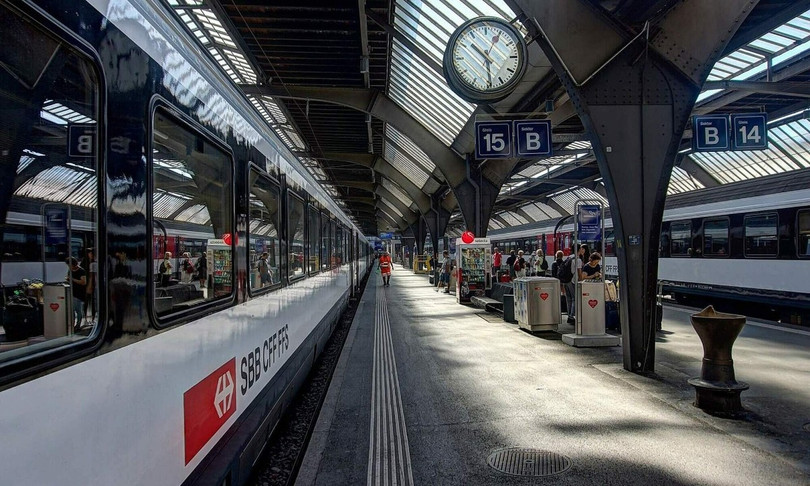
Switzerland: The Alps landscape is often associated with Swiss tourism , but the country's strength lies in its well-connected public transportation system.
The Swiss Travel Pass allows unlimited travel by train, bus, and boat, including public transport, in over 90 towns and cities. This allows for seamless journeys from intercity trains to city stations or lake ferries without the need for separate tickets.
In addition, the card includes admission to over 500 museums, making transportation an integral part of the exploration experience rather than just a means of getting around. Taxis are rarely an option for tourists here.
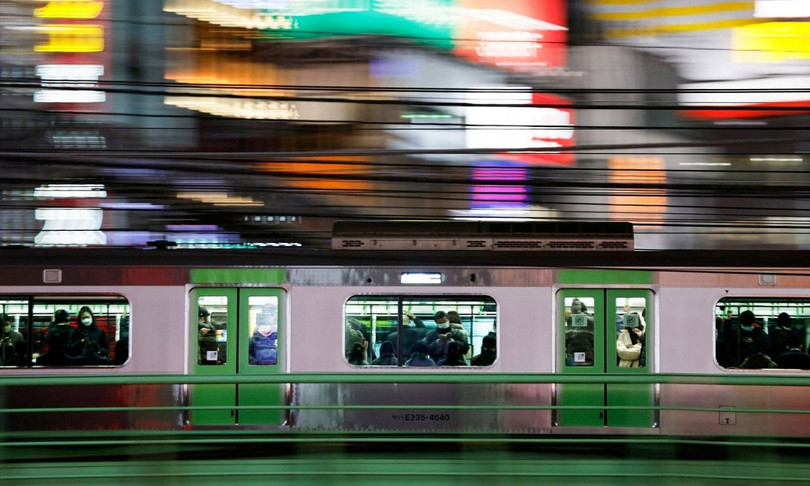
Japan: Japan is considered one of the countries with the most developed railway systems in the world. According to the Japan National Tourism Organization (JNTO), the majority of people's daily commutes depend on trains and other public transportation.
Visitors can use the Japan Rail Pass, which allows travel on most JR lines and many Shinkansen lines – except for some lines such as Nozomi and Mizuho.
A key highlight is the seamless connectivity between modes of transport. A journey can begin with a bullet train from Tokyo to Kyoto, then transfer to a regional train and continue by local bus. Thanks to this network, taxis are typically only used in exceptional circumstances.
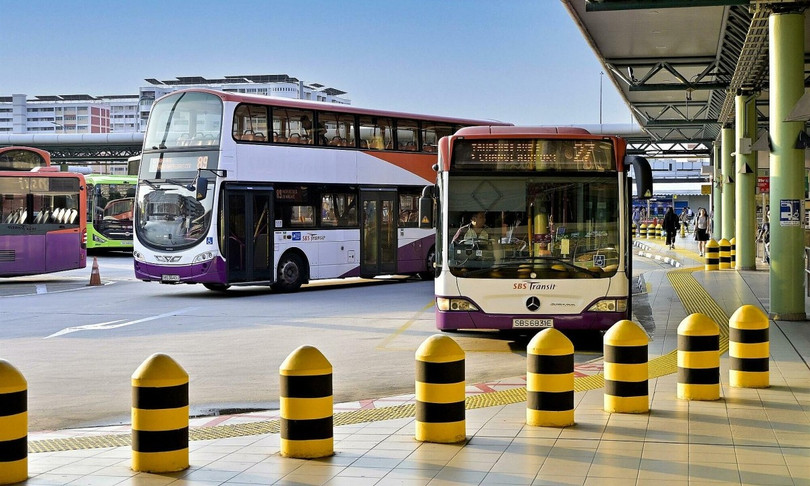
Singapore: Its small land area gives Singapore an advantage in transportation planning, but the more important factor is the design of a simple, user-friendly system.
The Singapore Tourist Pass allows unlimited travel on public buses, the MRT, and the LRT for 1-3 days. This helps travelers move between food districts, parks, and riverside areas without having to calculate the cost per trip.
English-language signage, a clear transfer system, and a network covering major tourist areas make public transport a convenient option even for first-time visitors to the city.
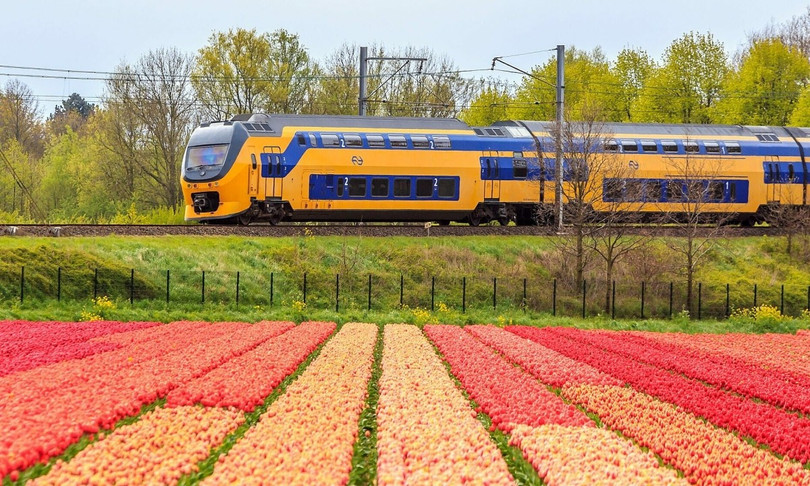
Netherlands: One of the strengths of Dutch transport is the simplicity of payment. According to the country's official tourism website, the OVpay system allows passengers to check in and check out using debit or credit cards when using trains, stations, buses, or the metro. This eliminates the need for tourists to purchase separate cards.
Traveling between cities like Amsterdam, Rotterdam, or The Hague is now easy, without needing to research different ticket options.
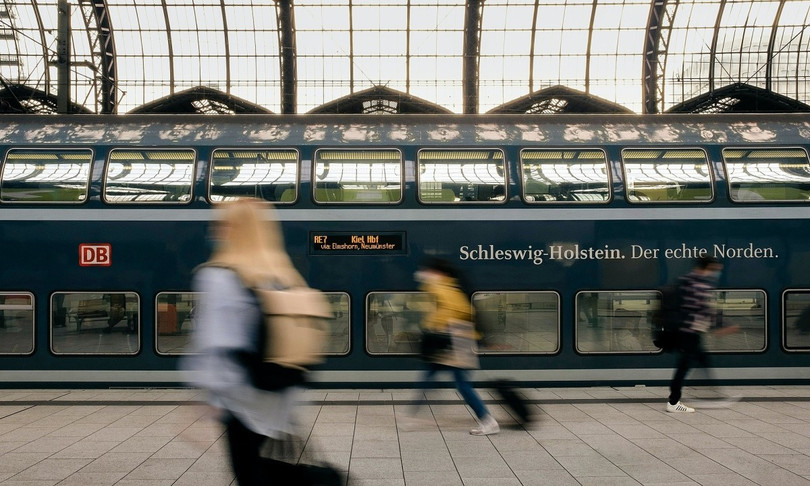
Germany: Germany's public transport system is notable for its extensive coverage. From 2026, Deutschlandticket will allow the use of local public transport nationwide for a fixed fee of 63 euros (approximately 1.9 million VND) per month. This ticket applies to buses, stations, U-Bahn, S-Bahn, and regional trains, but excludes ICE high-speed trains.
For tourists, the biggest advantage is the simplicity of being able to use many different modes of transportation, without having to learn about the separate ticketing systems in each city.
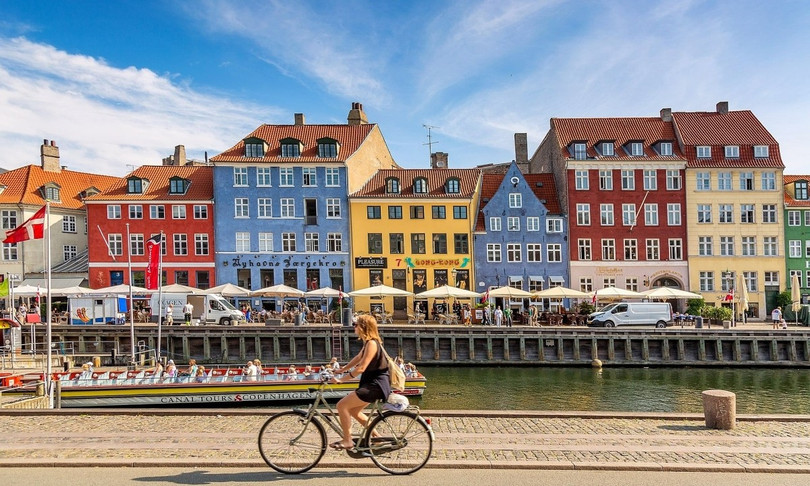
Denmark: The capital city of Copenhagen is a prime example of the efficiency of public transport in Denmark. The metro system operates 24/7 with high frequency, while City Passes allow unlimited travel for 24-120 hours, including routes from the airport to the city center.
According to Denmark's public transport information website, this is one of the most reliable and efficient systems in the world. For tourists staying primarily in Copenhagen, taxis are often less convenient than the metro and trams.
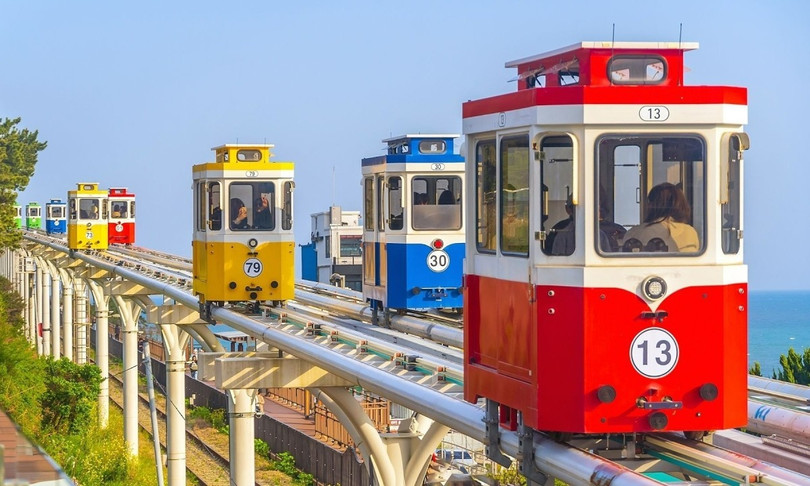
South Korea: South Korea is highly regarded for its integrated transportation network and payment system. The T-money card can be used on various modes of transport such as buses and subways, is easy to top up, and does not require a local bank account.
In Seoul, the extensive subway network and dense bus system make getting around the city simple. As a result, taxis are usually only used in special situations, such as traveling at night or when carrying a lot of luggage.