



Glutinous rice is not only used to cook sticky rice and wrap banh chung (Vietnamese rice cakes), but it is also used in many different ways and has become a valuable medicine to help prevent and treat diseases.
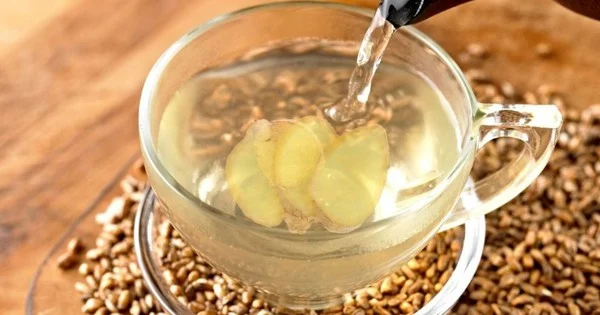
1. Benefits of glutinous rice
- 1. Benefits of glutinous rice
- 2. How to use glutinous rice
- 3. Some things to keep in mind when eating glutinous rice.
In Traditional Chinese Medicine, glutinous rice is known as "nhu mi". Glutinous rice has a sweet taste, a warm nature, and enters the spleen, stomach, and lung meridians; it has the effect of nourishing the body and replenishing qi, strengthening the spleen and nourishing the stomach, stopping sweating, and stopping diarrhea, and is used in the treatment of many diseases.
Spleen and stomach deficiency with cold symptoms: Used for people who frequently experience abdominal pain due to cold, bloating, or prolonged loose stools.
Spontaneous sweating due to qi deficiency: Combined with other herbs to treat night sweats or spontaneous sweating even without strenuous activity.
Support for recovery after illness: Used to make porridge to nourish those who have recently recovered from illness, are weak, or have deficient lung function.
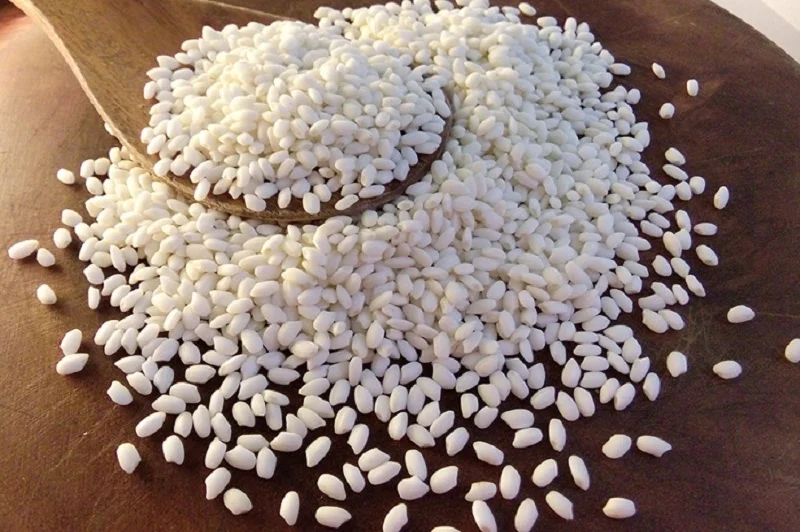
Glutinous rice is used both to nourish the body and as a medicinal remedy.
In addition, glutinous rice is also a source of protein, fat, and fiber for the body, and contains significant amounts of micronutrients such as vitamins B1, B2, B3, vitamin E, and minerals such as calcium, iron, phosphorus, magnesium, potassium, and zinc…
Furthermore, some types of glutinous rice contain selenium – a trace element beneficial to the immune system. Black or purple glutinous rice also contains anthocyanins, which give it its purple and black color and have powerful antioxidant effects. Thanks to these components, glutinous rice is not only a high-energy food but also has many health benefits.
- Starch is a source of energy that is released quickly because its branched structure allows it to be easily broken down by enzymes.
- It aids digestion.
- It benefits cardiovascular health, supports liver function, and maintains bone density.
- It creates a feeling of fullness for longer periods, thereby helping with weight control.
- Antioxidant effects.
2. How to use glutinous rice
2.1 Sticky rice porridge
Ingredients: 100g glutinous rice, 10 red dates.
Instructions: Cook glutinous rice and red dates into a thin porridge.
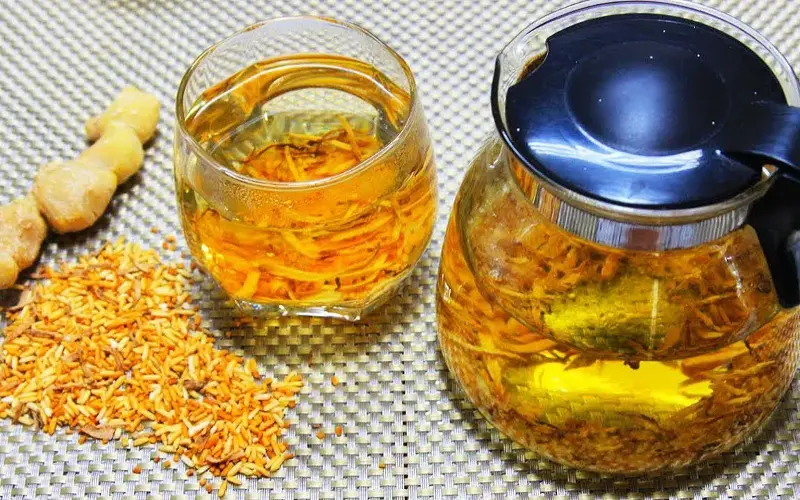
Benefits: Glutinous rice porridge, a combination of glutinous rice and red dates, is an easy-to-prepare and easily digestible dish that nourishes the spleen and stomach, replenishes blood, and can be used to support the treatment of chronic gastritis, stomach ulcers, and weakness after illness.
2.2 Roasted glutinous rice water with ginger
Ingredients: 20g glutinous rice, 3 slices of fresh ginger.
Instructions: Roast the glutinous rice until golden brown, and finely crush the ginger. Then, put the glutinous rice and ginger into a pot, add about 200ml of clean water, and simmer until only 50ml remains.
Effects: This is a simple remedy to treat persistent vomiting and nausea caused by spleen and stomach deficiency or pregnancy.
2.3 Sticky rice porridge with onions
Ingredients: 50g glutinous rice, scallions, ginger.
Instructions: Cook the rice into porridge, add onions and ginger when almost done, eat hot, then cover yourself with a blanket to induce sweating.
Benefits: Sticky rice porridge with onions is an easily digestible dish that helps relieve cold and flu symptoms, making it very suitable for people who have recently caught a cold.
2.4 Glutinous rice compress bag
Ingredients: 200g glutinous rice, fresh ginger, coarse salt.
Instructions: Crush fresh ginger, roast glutinous rice with ginger and salt until hot, wrap in a clean cloth, and apply as a compress to the abdomen when experiencing abdominal pain due to cold, or apply as a compress to painful joints.
Effect: Reduces pain symptoms at the site where the hot/cold pack is applied.
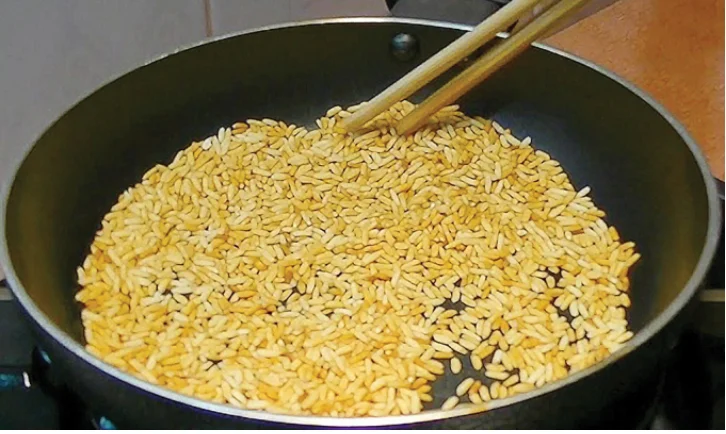
Roasted glutinous rice combined with ginger and salt can be made into a compress to help relieve stomach pain and joint pain.
3. Some things to keep in mind when eating glutinous rice.
Glutinous rice is a nutritious food with many health benefits, but there are also some things to keep in mind:
- People with stomach or duodenal ulcers, or those recovering from illness, should note that glutinous rice should not be eaten in the form of sticky rice or hard, chewy rice porridge. It should only be consumed in the form of thin porridge to best utilize its nourishing and invigorating properties.
- People with diabetes, lipid metabolism disorders, and those with phlegm-dampness-heat syndrome should not eat too much glutinous rice as it may worsen their condition.
- People with open wounds or who have recently undergone surgery should avoid eating glutinous rice, as it can cause swelling, pus formation, and keloid scarring.
- Avoid eating too much glutinous rice at once; combine it with green vegetables and fiber-rich foods to improve digestive function and slow down sugar absorption.
- Avoid eating foods made from glutinous rice late at night, as this can burden the digestive system, leading to bloating and difficulty sleeping.