


Toyota continues to assert its position as the world's largest automaker, selling 5.39 million vehicles between January and June 2026, far surpassing Volkswagen Group's 4.13 million vehicles, equivalent to approximately 1.26 million more.
Toyota remains the best-selling automotive group in the first half of 2026.
Despite many arguing that Toyota is lagging behind many global competitors in the electric vehicle race, the Japanese automaker's strategy of maintaining diverse powertrain options is proving highly effective. This also marks the seventh consecutive year that the company has topped the global automotive sales rankings in the first half of the year.
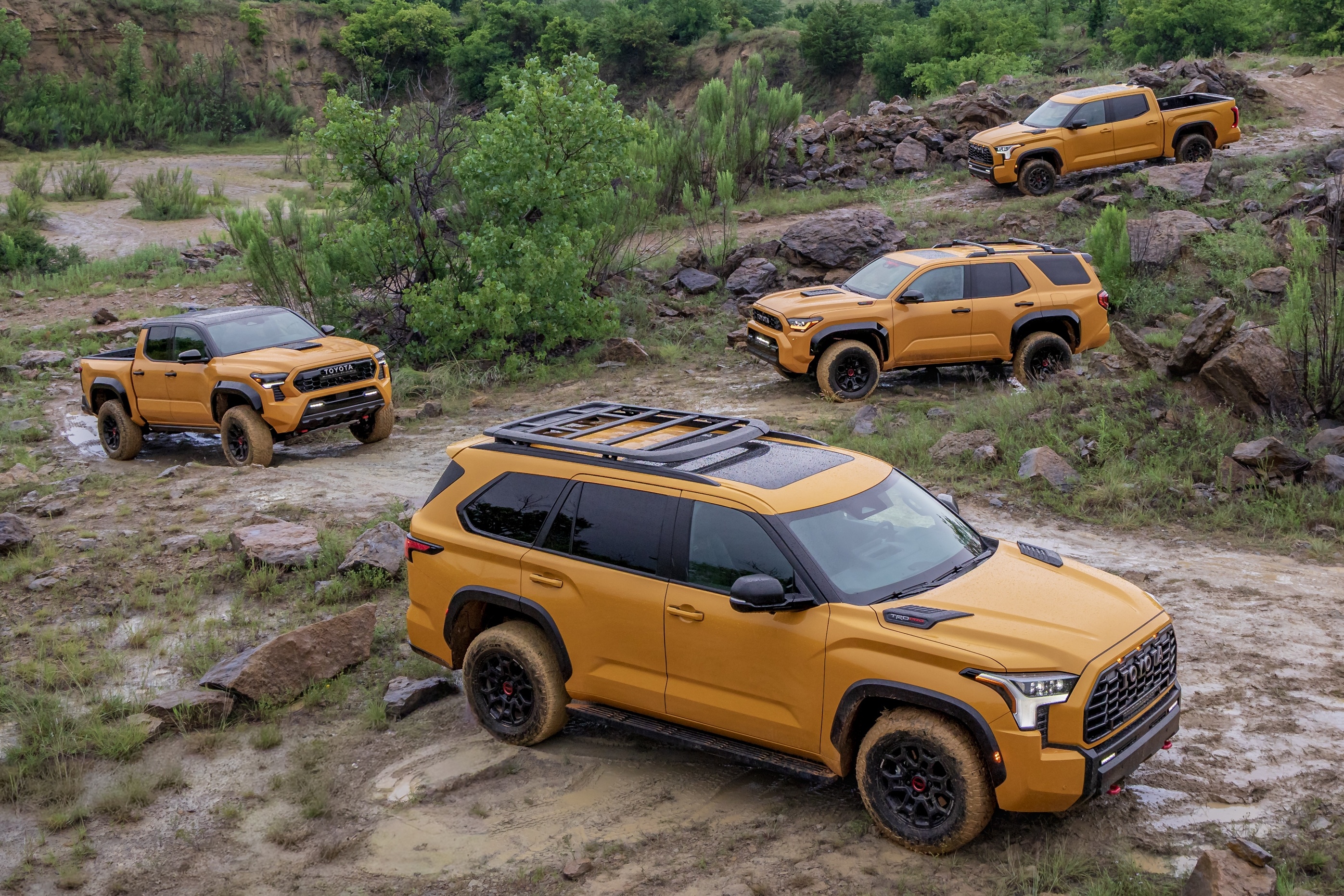
Toyota continues to assert its position as the world's largest automaker, selling 5.39 million vehicles between January and June 2026, far surpassing second-place Volkswagen with 4.13 million vehicles.
According to published figures, Toyota's sales in the first six months of the year decreased by 2.8% compared to the same period last year, marking the first time first-half sales have declined after two consecutive years of growth. However, the gap with Volkswagen remains significant, as the German automaker only sold 4.13 million vehicles during the same period.
Looking at individual markets, the company recorded mixed results. In Japan, sales increased 4.4% to 1.1 million vehicles, partly due to the launch of the bZ4X electric vehicle in the domestic market. Conversely, sales in international markets decreased 4.5%, to approximately 4.3 million vehicles.
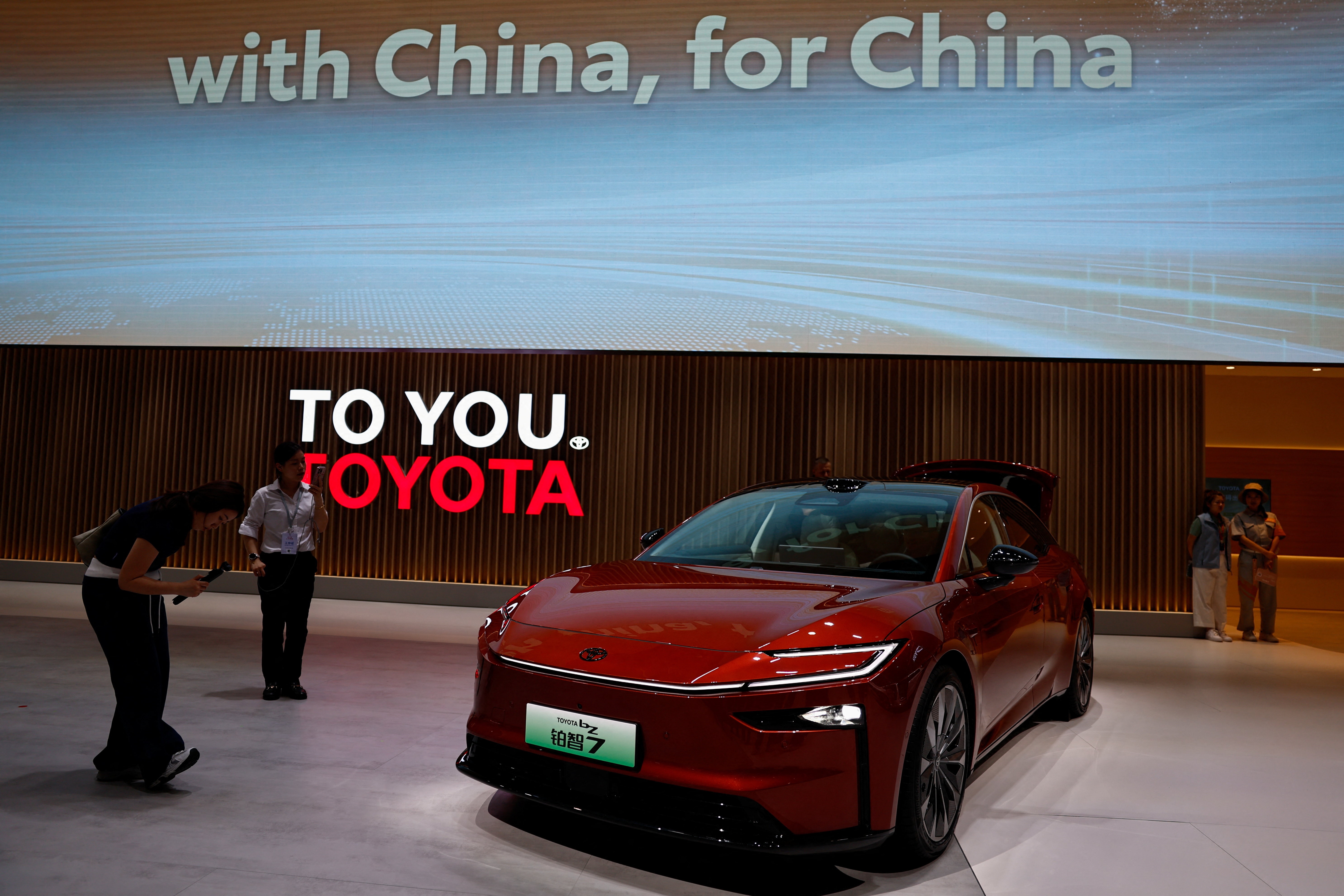
China was the market that saw the sharpest decline for Toyota, with sales falling 17.1% to 694,670 vehicles, reflecting a general weakening trend across the country's automotive industry.
China saw the sharpest decline in Toyota's sales, falling 17.1% to 694,670 vehicles, reflecting a broader weakening trend in the country's automotive industry. Sales in the Middle East plummeted 21.6% due to the impact of conflicts and the ripple effect of fluctuating global oil prices.
Offsetting the decline in China and the Middle East was positive performance in North America. The company's sales in the region increased 0.9%, reaching 1.45 million vehicles in the first half of the year.
Toyota's sensible electrification strategy
One of the key factors helping Toyota maintain its leading position is the strong demand for electrified vehicles. In the first six months of 2026, the company sold 2.71 million electrified vehicles, a 9.1% increase year-on-year and setting a new record for the first half of the year.
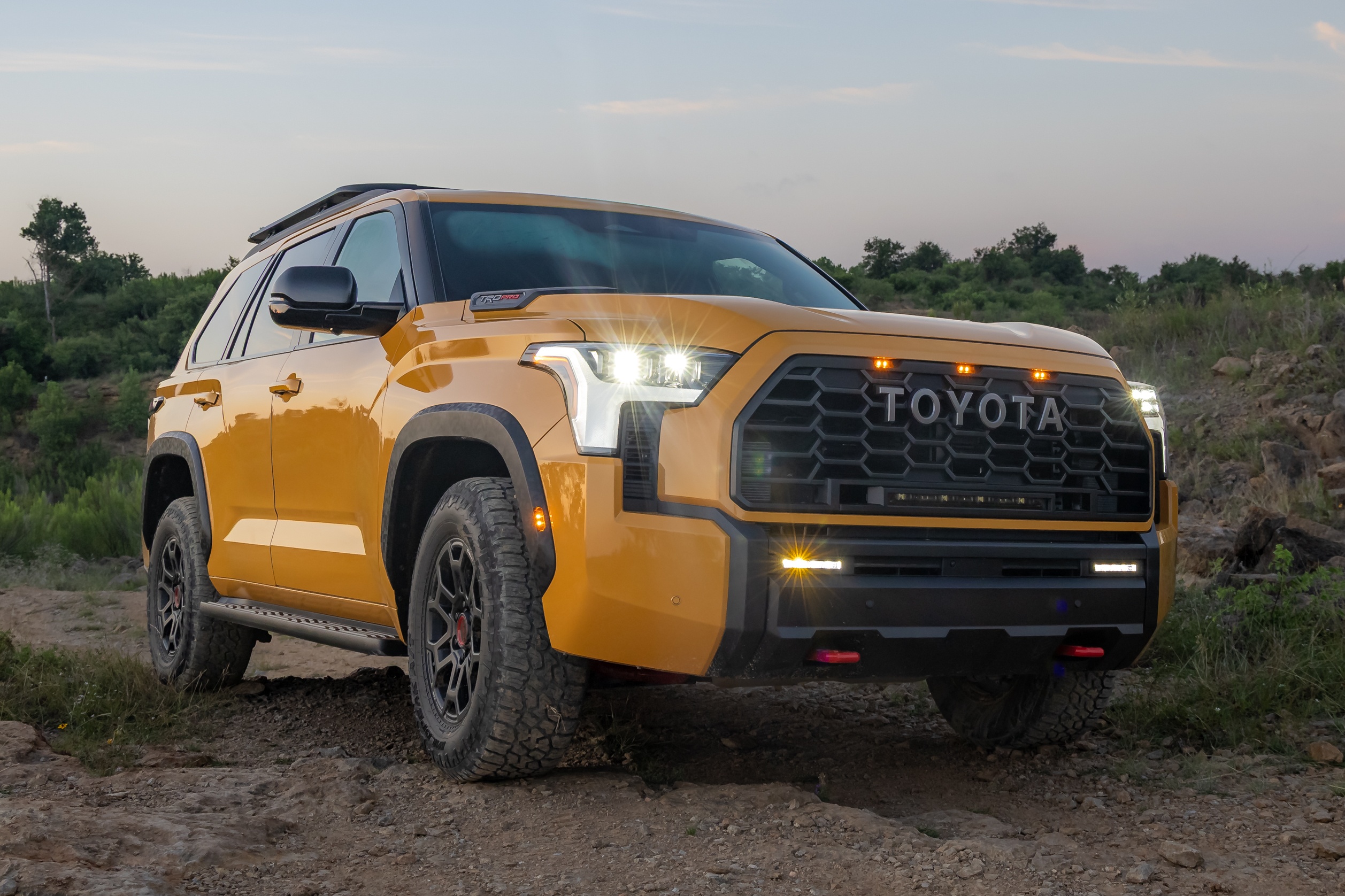
One of the key factors helping Toyota maintain its leading position is the strong demand for electrified vehicles. In the first six months of 2026, the company sold 2.71 million electrified vehicles, a 9.1% increase year-on-year.
Electric vehicles (BEVs) also recorded impressive growth, with sales increasing 2.4 times to 193,172 units. However, BEVs still account for a relatively small proportion of Toyota's total sales. Both electrified and BEV sales reached all-time highs in the first half of the year.
This result shows that the strategy of developing multiple powertrain technologies in parallel, from hybrid and plug-in hybrid vehicles to purely electric vehicles and other solutions, is still helping the Japanese automaker maintain its competitiveness on a global scale, even as its electrification process is more cautious than many competitors in the industry.