


1. What are the benefits of herbal tea for people with fatty liver disease?
According to traditional Chinese medicine, the manifestations of fatty liver disease are described within the scope of symptoms such as dizziness, phlegm accumulation, and headaches. The causes are attributed to exposure to damp-heat pathogens, leading to stagnation of liver qi that cannot be properly regulated, or to improper eating habits, excessive exertion combined with alcohol consumption, which affects the digestive function of the spleen, causing fluid retention and the generation of dampness and heat.
- 1. What are the benefits of herbal tea for people with fatty liver disease?
- 2. What kind of herbal tea should people with fatty liver disease drink?
- 3. How to use herbal tea safely?
Some herbal teas have the following effects:
Supporting fat metabolism: Several herbs have been studied for their potential to influence lipid metabolism; however, their effectiveness in patients with fatty liver disease depends on the specific herb and the level of evidence.
Antioxidant and anti-inflammatory properties: Certain herbs contain polyphenols and antioxidant compounds that may help reduce oxidative stress – one of the mechanisms involved in liver cell damage in people with fatty liver disease.
Supporting digestive function and bile secretion: Some herbs may stimulate bile secretion or support the digestive system, thereby facilitating the digestion of fats. However, there is insufficient evidence to confirm that herbal teas can reduce liver fat or replace proven treatments.
2. What kind of herbal tea should people with fatty liver disease drink?
2.1. Bud tea
The buds of the Vối plant contain a high amount of polyphenols, which help inhibit the alpha-glucosidase enzyme, slowing down sugar absorption and supporting the reduction of fatty liver.
Ingredients: 15-20 grams of dried Vối flower buds (about a small handful), 1 liter of clean water, utensils (ceramic/porcelain teapot or thermos).
Steps to follow:
- Washing the medicinal herbs: Briefly rinse the dried vối flower buds with clean water to remove any dust or dirt accumulated during the drying process.
- Rinsing the tea ("awakening" the tea): Put the tea buds into the teapot, pour a little boiling water over them until they are completely submerged, shake gently, and then immediately pour out this rinsing water. This step helps to clean the tea buds and release their aroma evenly when brewing.
- Brewing the tea: Pour another 1 liter of boiling water (approximately 90°C - 95°C) into the teapot. Close the lid tightly and steep for about 15-20 minutes to allow the active ingredients in the tea buds to be fully released.
- Enjoy: Pour the tea into a cup and drink it warm or let it cool before drinking throughout the day. The tea made from the buds of the Vối plant has a light yellowish-brown color, a slightly bitter taste, but a sweet and refreshing aftertaste.
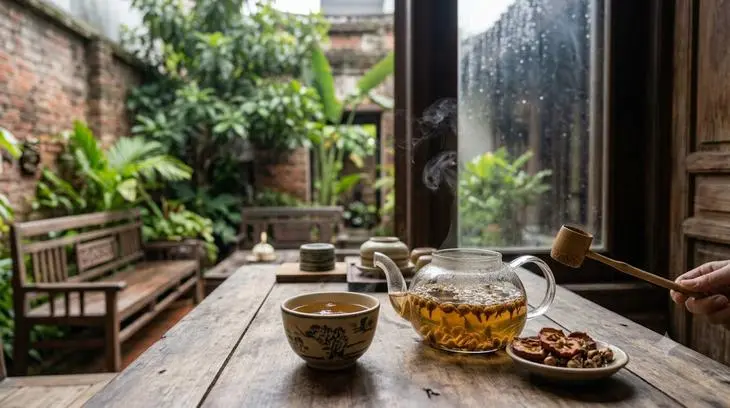
Hawthorn tea is suitable for people with fatty liver disease and obesity. Photo: AI.
2.2. Hawthorn Tea
In Traditional Chinese Medicine, hawthorn (wild apple) has a sweet and sour taste and a slightly warm nature. It is renowned for its ability to "aid digestion and reduce food stagnation," making it very suitable for people with fatty liver disease and obesity.
Ingredients: 10-15 grams of dried hawthorn berries (sliced), 500 ml of clean water, suitable utensils.
Steps to follow
- Preparation: Wash the dried hawthorn slices to remove dirt and let them dry.
- To make tea: Put hawthorn berries in a pot or kettle with 500 ml of water. Bring to a boil, then reduce the heat and simmer for 10-15 minutes.
Fast braking method (If using a thermos): Place the blanched hawthorn berries into the thermos, fill with boiling water, close the lid, and let steep for 20-30 minutes.
- Enjoyment: Hawthorn tea has a naturally refreshing sour taste that is very easy to drink.
2.3. Lotus Leaf Tea
Lotus leaves contain many alkaloid and flavonoid compounds that help lower blood lipids, reduce lipid accumulation in liver cells, and promote restful sleep.
Ingredients needed: Dried lotus leaves (Chopped lotus leaves) 3-5 grams (about a small pinch). If using fresh lotus leaves, use about 20-30 grams; 300-500 ml of clean water; suitable utensils.
Steps to follow:
- Rinsing the tea: Place dried lotus leaves in a teapot, pour a little boiling water over the leaves, gently shake, and then immediately pour out this water to remove dust and mold and enhance the tea's flavor.
- Brewing the tea: Pour another 300-500 ml of boiling water (approximately 90°C) into the teapot. Close the lid tightly and steep for about 10-15 minutes to allow the active ingredients to dissolve into the water.
- Enjoy: Pour the tea into a cup and drink while it's still warm. Lotus leaf tea has a distinctive, subtle aroma, a slightly bitter and astringent taste, but is refreshing.
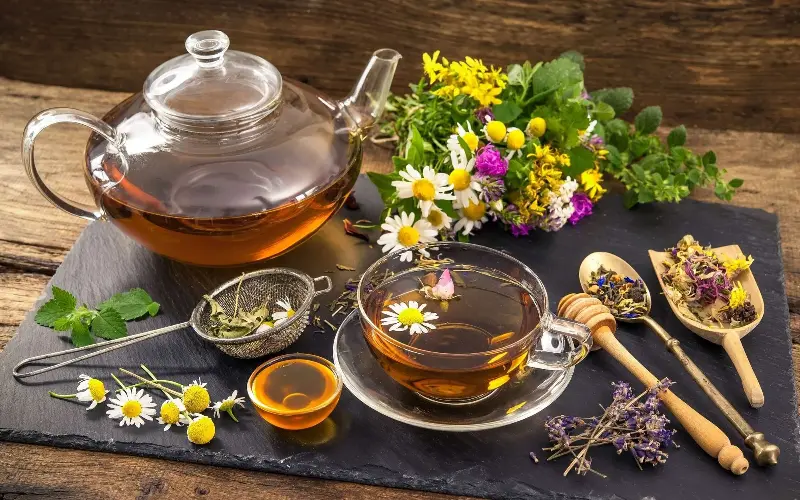
2.4. Artemisia tea
Artemisia capillaris is a herb with a cooling nature and bitter taste. It enhances the liver's ability to secrete bile, promotes the digestion of fats, and is used in traditional medicine for several purposes related to liver, gallbladder, and digestive functions.
Ingredients: 10-15 grams of dried Artemisia annua, 1 liter of clean water, suitable utensils.
Steps to follow:
- Washing: Dried Artemisia annua (wormwood) tends to accumulate dust and dirt during the drying process, so you need to wash it thoroughly with cool water 1-2 times, then let it drain.
- To make tea: Put the Artemisia annua (wormwood) into a teapot with 1 liter of water and bring to a boil. Once the water boils, reduce the heat and simmer for 10-15 minutes to allow the nutrients to fully release.
- How to brake (If not boiling): Put the Artemisia annua into a thermos flask, pour 100°C boiling water into the flask until full, and close the lid to steep for 20-30 minutes.
- Enjoyment: The tea made from Artemisia annua has a dark yellow color, a slightly bitter taste, but is immediately followed by a very pleasant, refreshing sweetness.
3. How to use herbal tea safely?
To use herbal tea safely, people should note the following:
Do not substitute medication without consulting a doctor: Herbal teas only play a supportive role and cannot replace the treatment plan prescribed by a specialist.
Use the correct dosage: Do not completely replace your daily water intake with herbal tea. Avoid drinking overly strong herbal tea or consuming it in excessive amounts for extended periods. Those with existing medical conditions or taking medication should consult their doctor before use.
Choose reputable sources: Avoid buying herbal medicines and teas of unknown origin or those sold haphazardly on social media. Prioritize teas that meet standards and have clear expiration dates. If you dry and harvest them yourself, store them carefully to prevent mold, as some types of mold can produce aflatoxin, a toxin linked to liver cancer.
Monitor your body's reaction: Pregnant women, people with underlying kidney conditions, or those taking medication for chronic illnesses should consult their doctor before using herbal tea.
See more trending articles: