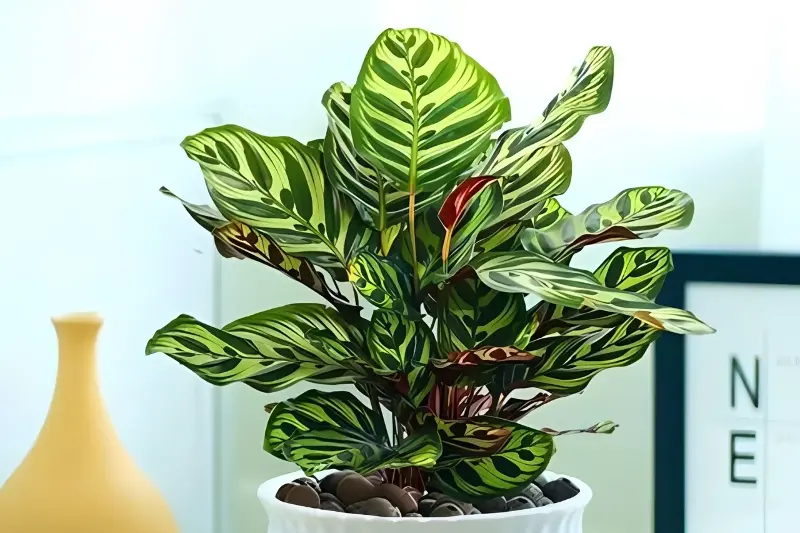
During hot weather, many families look for solutions to make their living rooms less stuffy without significantly increasing electricity costs. They often think of plants as a solution, but usually only snake plant, money plant, or jade plant – common plants that almost everyone owns.
In fact, there's another group of highly valued houseplants that help increase humidity and reduce the feeling of dryness and heat. Here are four suggestions worth considering.
Golden Areca
The yellow palm ( Dypsis lutescens ) is distinguished by its feather-like, lobed foliage and elegant, upright form, making it a popular choice for adding a green accent to living rooms.
Unlike many ornamental plants that are purely for aesthetic purposes, the golden palm tree has a strong ability to transpire water during the day.
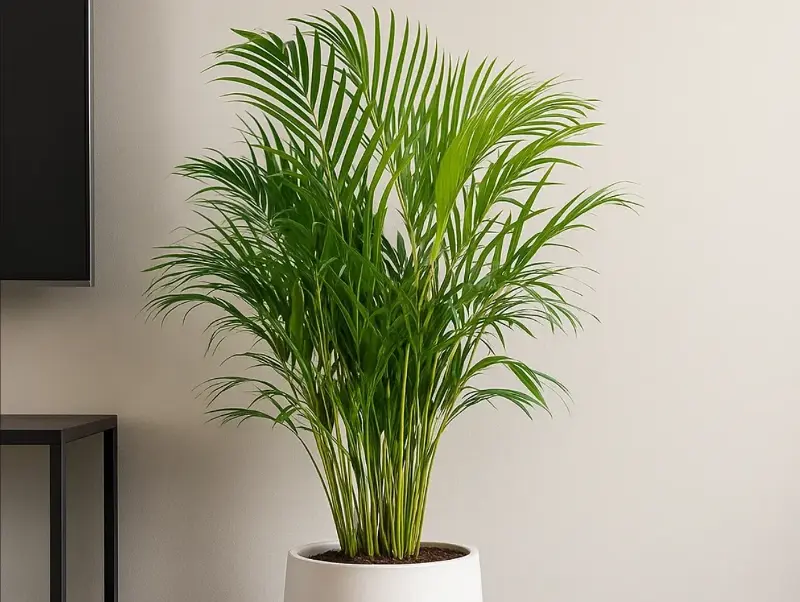
A mature plant can help increase the humidity in a room, making it feel more comfortable on hot, humid days.
In addition, the Areca palm also helps filter fine dust and some volatile organic compounds, making the living space cleaner.
However, this plant requires at least 3-4 hours of natural light per day. In dimly lit apartment living rooms, especially those facing north or heavily shaded, the golden palm will struggle to thrive, its leaves turning yellow and its stem shrinking. Therefore, it is not a suitable choice for spaces lacking natural light.
Bamboo lily
Dracaena reflexa 'Song of India' has distinctive yellow-green edged leaves and a sturdy stem. The plant can reach a height of about 1.2m, with its foliage spreading horizontally, creating an ideal localized shade area if placed near a sofa or window.
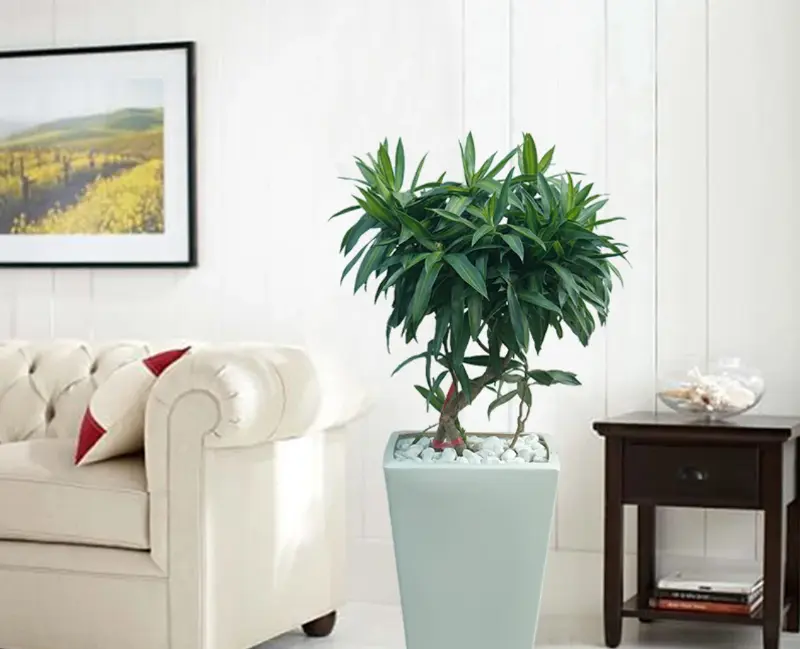
In particular, this type of plant tolerates air-conditioned spaces very well, while many other plants easily wilt or turn yellow when constantly living in air-conditioned environments.
That's why bamboo lilies are becoming increasingly popular in high-end apartments. A minor drawback is that the sap can irritate the skin, so keep it out of reach of children.
South American Pothos
Monstera deliciosa , also known as the South American pothos, is one of the most popular ornamental plants among architects and homeowners alike, thanks to its unique tropical beauty.
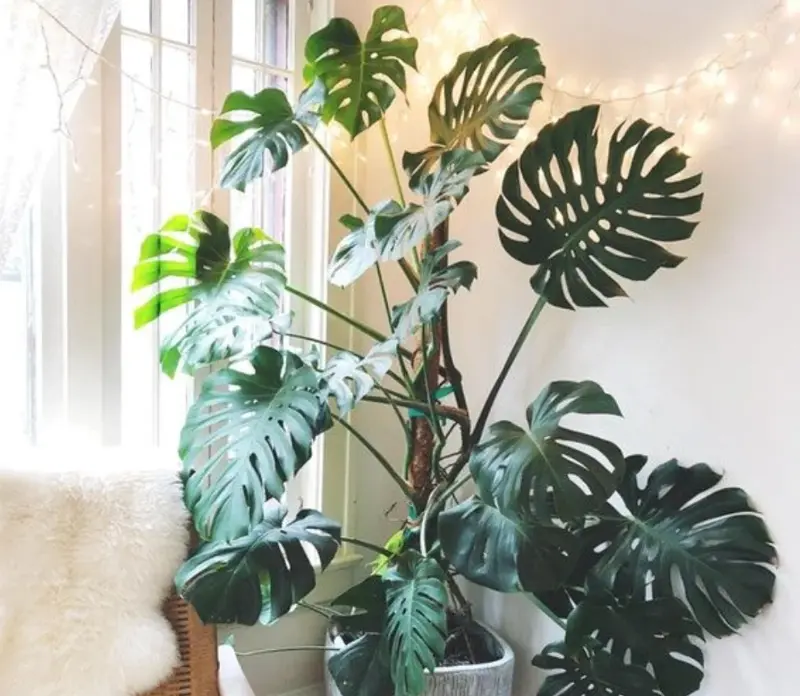
When mature, the tree has large leaves, 40-60cm in diameter, deeply lobed like natural sculptures. The leaves are thick, glossy, and have excellent heat radiation absorption capabilities.
For living rooms with large west-facing windows – where the afternoon sun is intense – a pot of pothos placed between the window and the seating area will act as a light filter.
It transforms the harsh sunlight into soft, dappled patches of light, creating shade while still maintaining an unobstructed view.
As a result, the space becomes more visually appealing and reduces the harsh sunlight often found in west-facing apartments without the need for thick curtains or excessive air conditioning.
Tianmen East
Asparagus densiflorus 'Sprengeri' is a smart solution for living rooms under 20m2, where there isn't enough space for large potted plants.
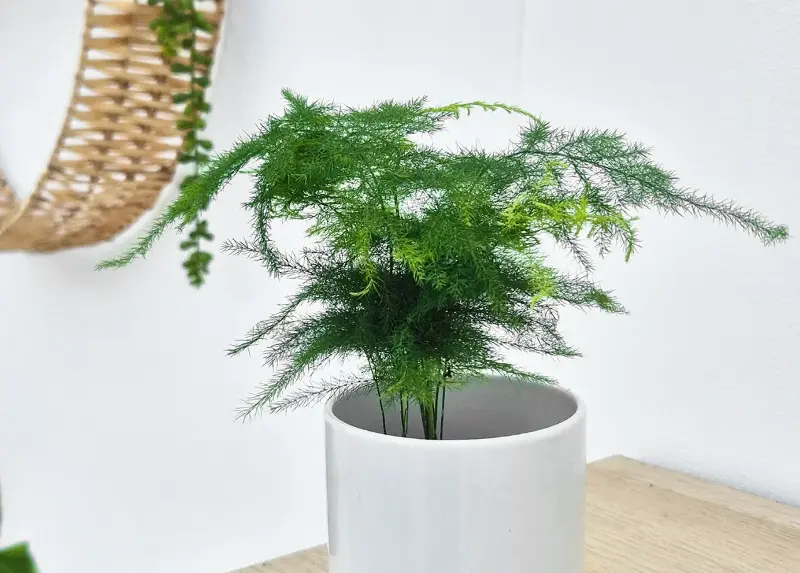
This type of plant is designed to be hung or placed on a high stand, with its branches cascading down like a soft green waterfall, saving floor space while creating an interesting visual effect.
The dense, needle-like foliage is not only beautiful but also capable of creating a humid microclimate underneath, ideal for placing tea tables or relaxing seating. People sitting near the tree often feel more comfortable thanks to the greenery and the better-maintained humidity.
In particular, the Chinese asparagus plant thrives in air-conditioned environments, making it suitable for modern apartments.
However, it's important to note that if the room is too damp (near a lake or river, or during the rainy season), the plants are prone to root rot. Therefore, it's necessary to ensure good ventilation and control humidity levels.