


The report is based on surveys of nearly 15,000 travelers in several countries, including the UK, Germany, Turkey, the US, and Australia. Hilton calls this a changing trend in travel , as travelers increasingly want to decide how to enjoy their holidays, rather than following pre-established patterns.
Chris Nassetta, Chairman and CEO of Hilton, noted that travelers are increasingly less concerned with preconceived notions of the perfect vacation, instead focusing on planning according to their own needs. He believes that trips not only help people relax and recharge but also provide meaningful, lasting experiences.
Short trips
One notable trend is the trend towards shorter, more frequent trips instead of longer vacations. This type of travel saves travelers preparation time, makes scheduling easier, and fits better into their daily lives.

According to the survey, one in four respondents chose short trips to easily balance their work schedules. Meanwhile, 29% said this format allowed them to travel more spontaneously.
The report divides travelers following this trend into two types: those who prioritize a specific experience and those who want to explore multiple locations on the same trip.
The first group typically structures their trips around a specific experience, such as attending a concert, watching a sporting event, or enjoying a meal at a favorite restaurant. Meanwhile, the second group tends to make the most of their travel time, trying to explore as many places as possible. According to the survey, 57% of respondents prefer visiting multiple cities on a single trip.
Personalized vacation
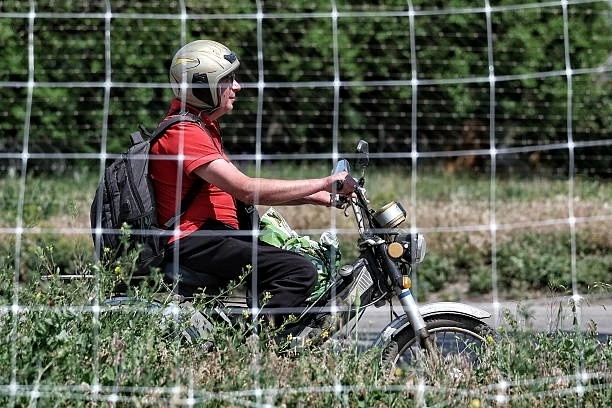
The second trend, which Hilton calls "vacation in its own way," reflects the notion that a trip doesn't have to be perfect but rather flexible, tailored to individual preferences and needs.
This trend is reflected in three options. With wellness-focused travel, travelers maintain a number of healthy habits during their vacation, rather than strictly adhering to all daily routines.
Regarding flexible travel, 28% of respondents prefer to adapt and explore depending on the situation, while 18% prefer a fixed itinerary.
Meanwhile, many travelers prefer traveling alone but still want to meet and socialize with others. Around 30% of those surveyed said they travel alone but will meet acquaintances at their destination. Additionally, 20% are willing to participate in group tours or day activities with people they've just met.
Travel to learn and explore.
The third trend is travel combined with learning and self-development, where travelers seek experiences that help expand their knowledge, explore their interests, and hone their skills.
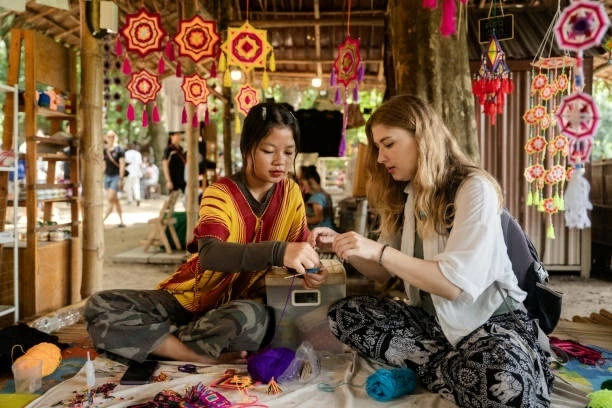
Instead of just sightseeing and relaxing, tourists are increasingly interested in trips that combine learning and experiences. During their holidays, they can participate in language classes, cooking classes, or art classes to discover new things.
Furthermore, the need for experiences that change perspectives is becoming increasingly evident. According to surveys, 34% of travelers want trips that help them develop new ways of thinking and view life differently.
Healthcare connected with nature.
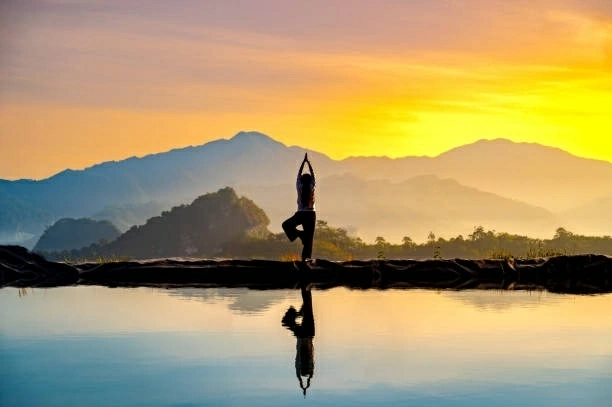
The fourth trend is wellness tourism connected with nature, showing that travelers increasingly value green spaces and outdoor activities during holidays focused on physical and mental well-being.
Besides the already popular forms of wellness tourism, travelers are increasingly focusing on immersing themselves in nature, enjoying fresh air, and participating in outdoor activities.
As many as 79% of survey participants believe that fresh air and the outdoors are essential elements for relaxation. More than half said they spend more time immersed in nature during travel than at home.
Prioritize advice from people.
The final trend reflects travelers' reliance on direct advice, in the context of the increasing application of artificial intelligence (AI) in information searching and travel planning.
Although AI offers many benefits in information searching and itinerary planning, travelers still tend to trust direct advice from humans.
According to the survey, 70% of travelers said they trust recommendations from hotel staff, while 87% have sought advice from family members when planning a trip.
Additionally, about 50% of respondents indicated they trust advice more from people who frequently use the service and participate in loyalty programs.
These findings suggest that, while technology is changing how travelers search for and choose destinations, personal relationships and direct trust remain crucial in travel decisions.