


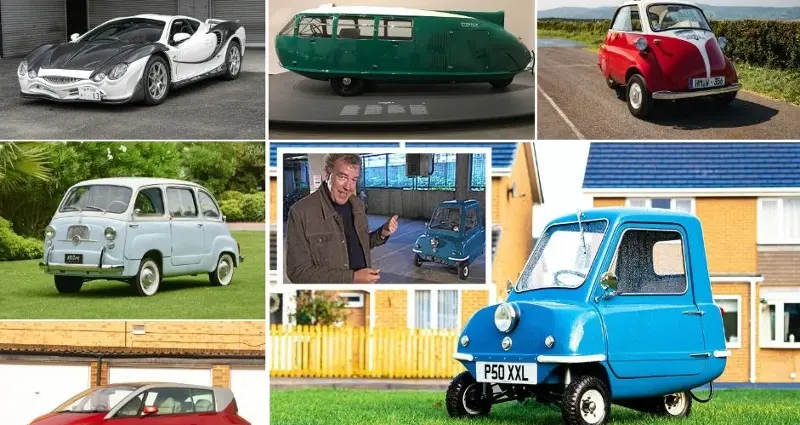
When it comes to beautiful cars, most car enthusiasts think of Ferrari, Lamborghini, or Porsche. However, the history of the automotive industry has also seen many cars with unusual designs, even considered "bizarre," but which have left their mark thanks to their creative ideas and historical value. Below are 8 of the strangest cars ever to appear on the market.
Peel P50 (1962-1965, 2011-present): The world's smallest car.
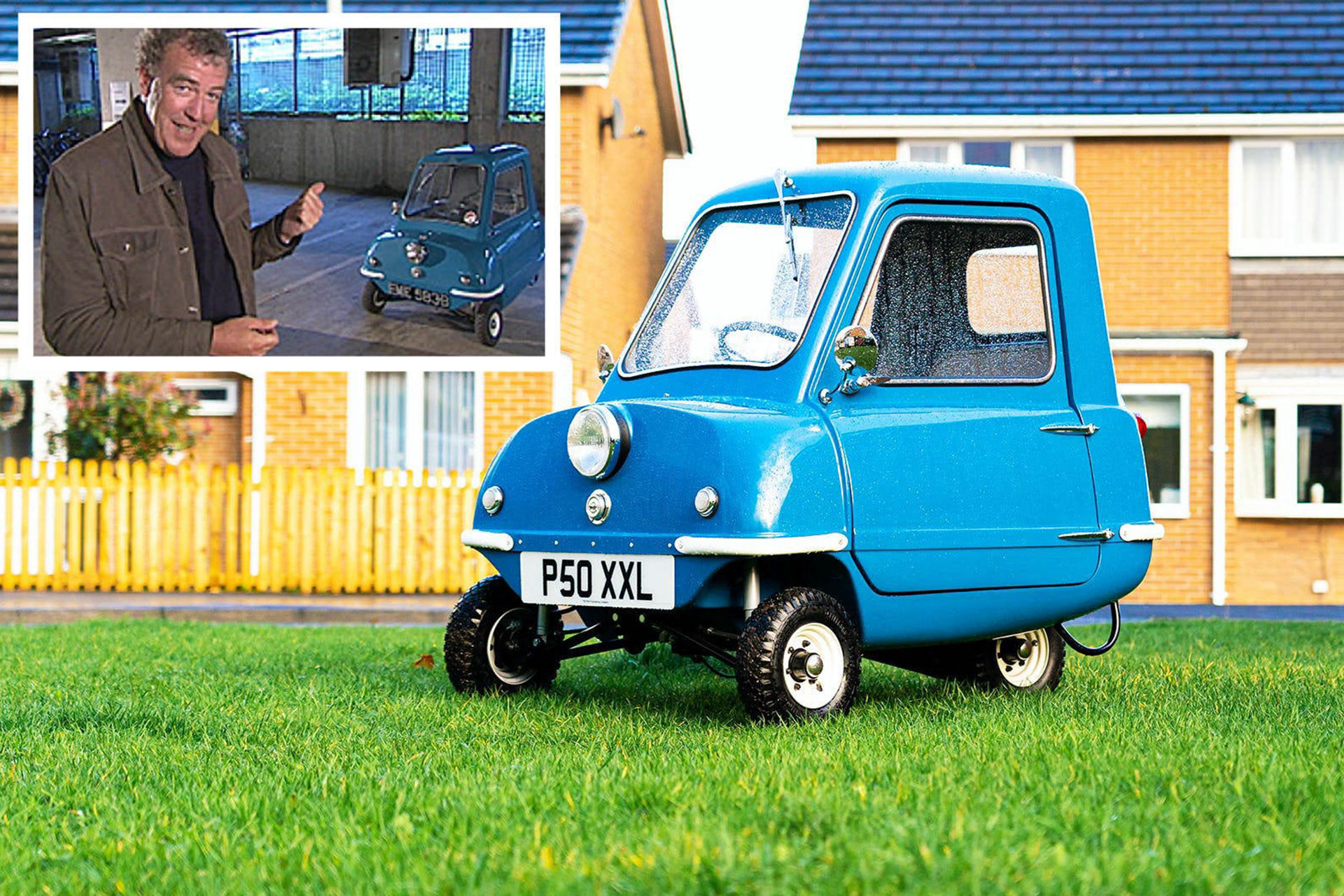
Launched in 1962, the Peel P50 was the smallest commercial vehicle ever produced, measuring just 1.37 meters in length, less than 1 meter in width, and weighing around 60 kg. It had only one seat, enough space for a small bag of luggage, and the rear end could even be lifted and rotated manually.
After production ceased in 1965, the Peel P50 gained global fame thanks to the Top Gear program in 2007. Since 2011, Peel Engineering has resumed production of P50 models with both gasoline and electric versions. The top speed of both versions is 45 km/h.
Reliant Robin (1973-2002): A famous three-wheeled vehicle known for its tendency to tip over.
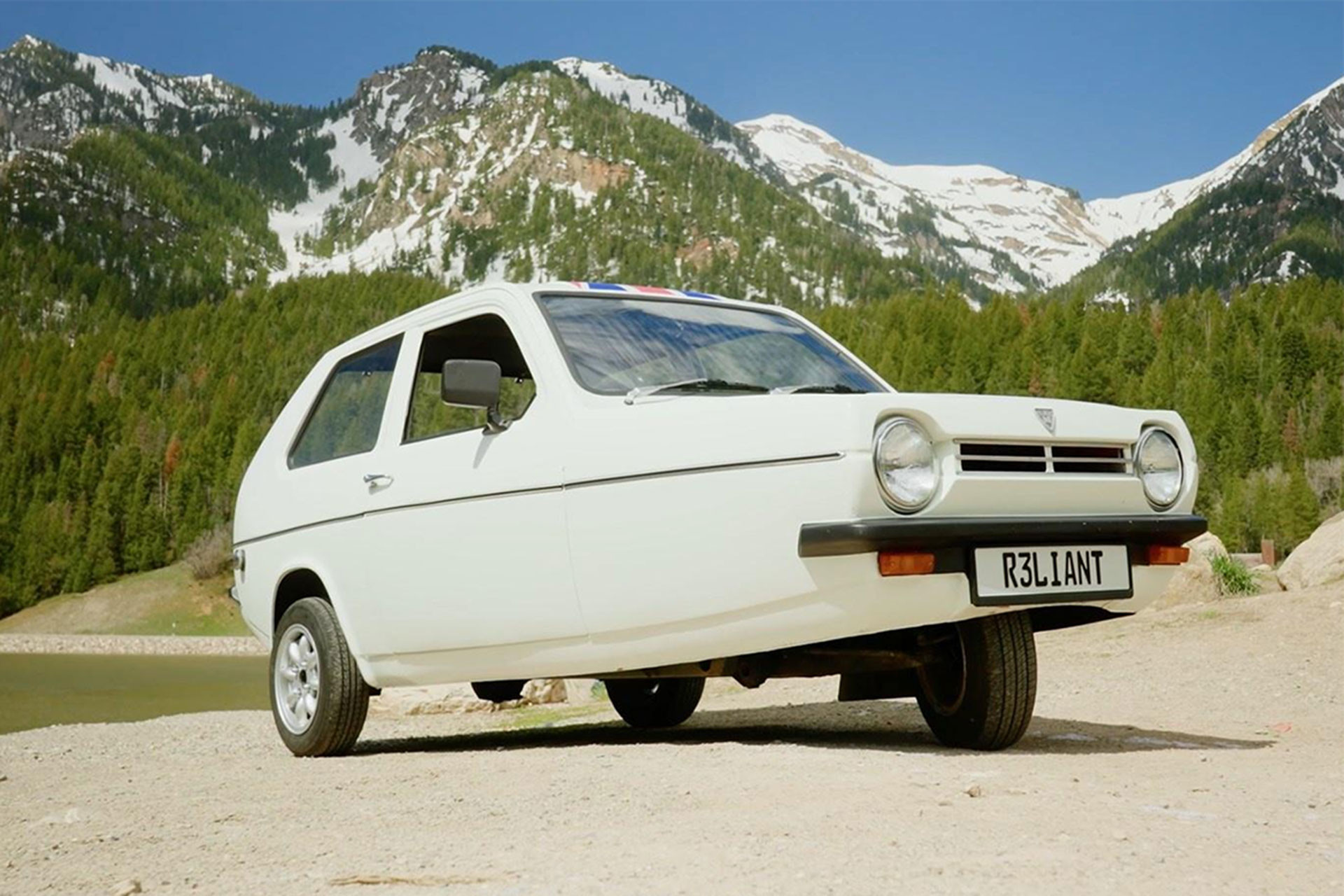
The Reliant Robin debuted in 1973 with a front-wheel, rear-wheel configuration and a fiberglass body. This design made the car lightweight, fuel-efficient, and easy to operate even with a UK motorcycle license at the time. It was then advertised as a competitor to the MINI.
However, after its test drives on Top Gear, the Reliant Robin became associated with the image of "the world's most rollover-prone car." Despite being ridiculed by car enthusiasts, the Reliant Robin still sold over 60,000 units in its 30 years of existence and became a cultural icon in the UK.
Iso Isetta (1953-1956): The "refrigerator car" that saved BMW from bankruptcy.
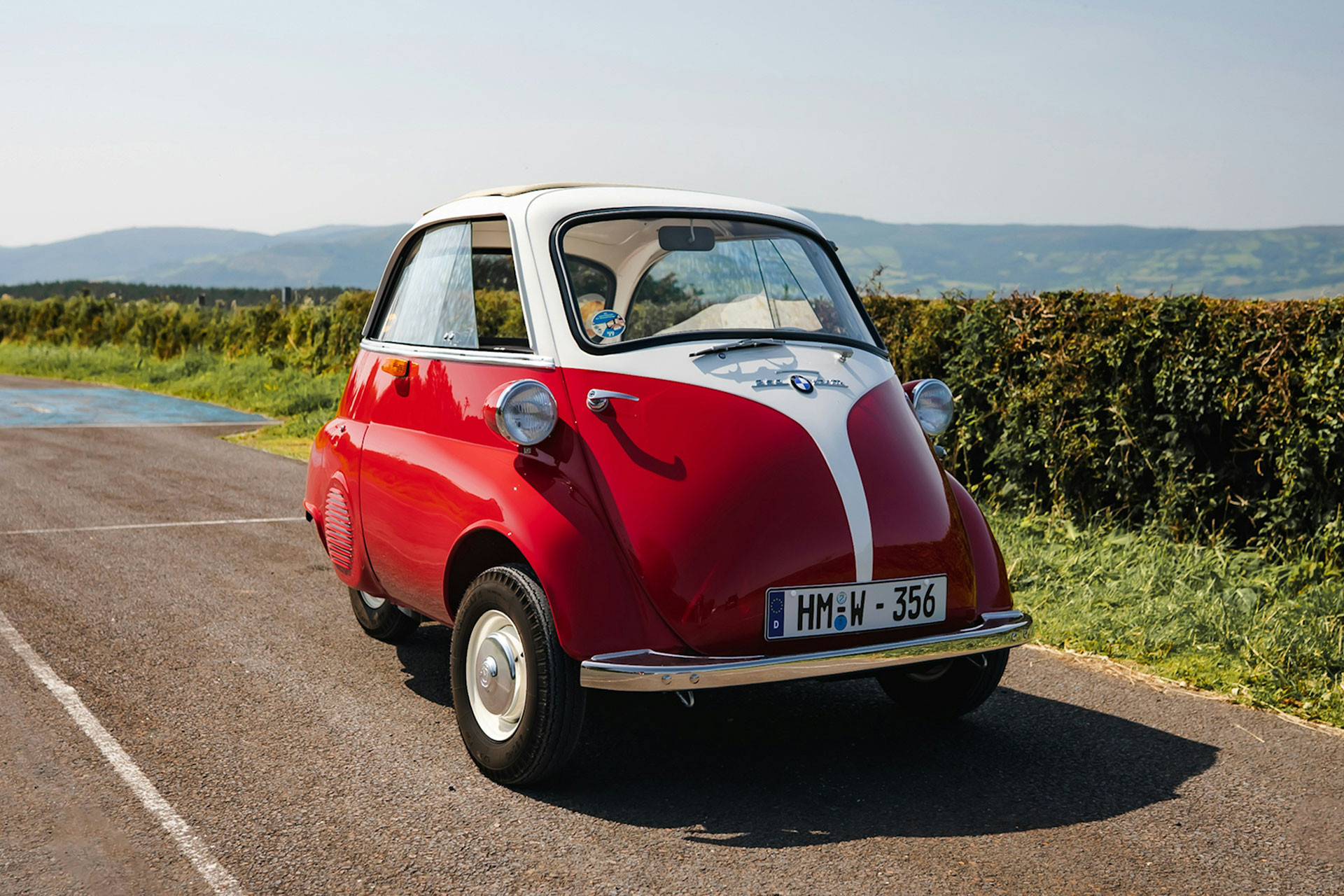
Few people know that the famous Isetta bubble car was not originally developed by BMW, but by the Italian company Iso. The Isetta's unique feature was its front door, which opened exactly like the door of a 1950s refrigerator.
Later, BMW acquired the rights, upgraded the engine, and brought the model to great success with over 160,000 units sold. The success of the BMW Isetta is considered a crucial factor in helping the German automaker overcome difficult times and save the brand from bankruptcy after World War II.
Dymaxion (1933): An idea ahead of its time.
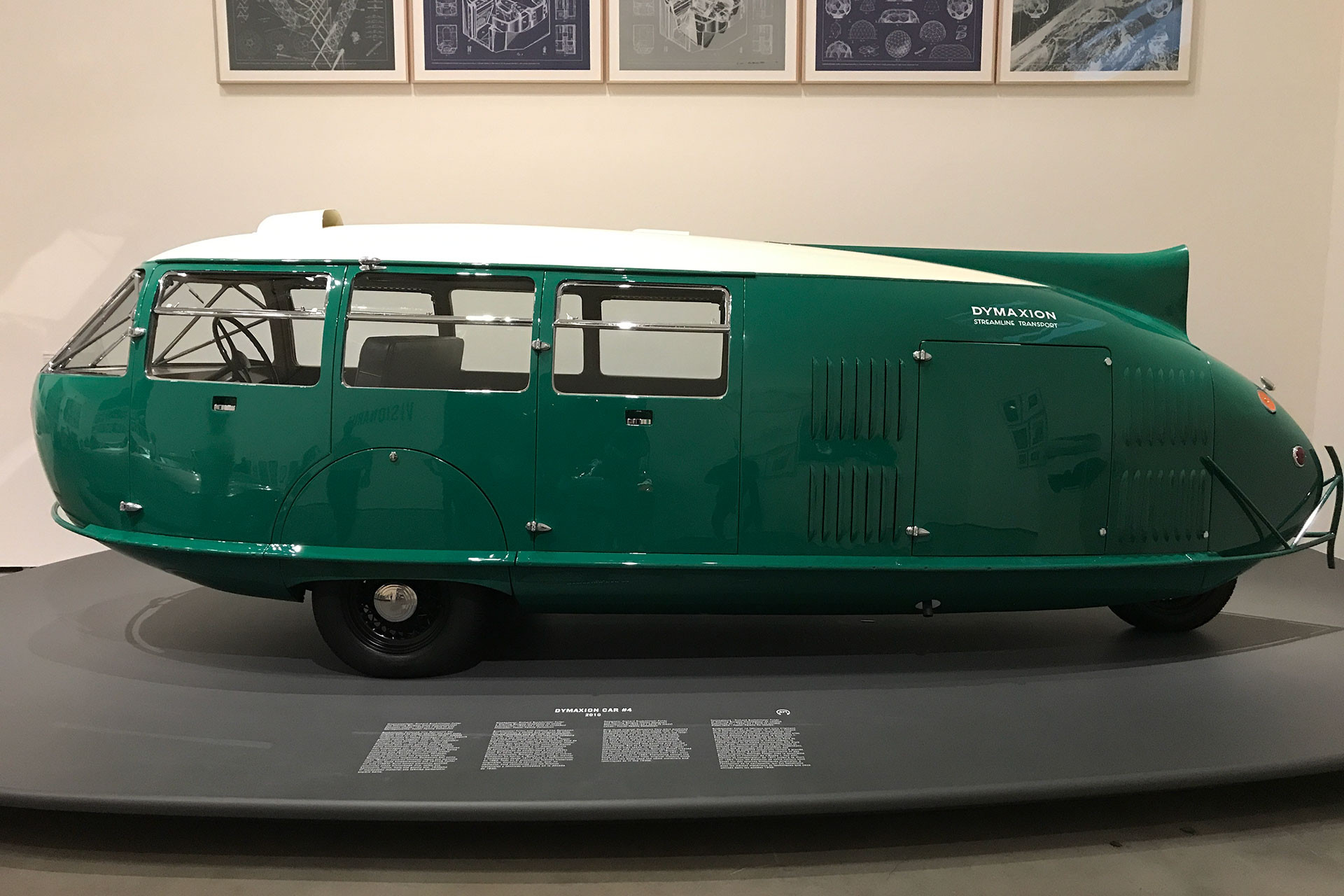
First appearing in 1933, the Dymaxion was designed to carry up to 11 people and reach speeds of nearly 250 km/h. It had only one rear wheel for steering and its aerodynamic design resembled an airplane more than a car.
Despite possessing many pioneering ideas, Dymaxion's biggest problem was its poor handling and difficulty in controlling the vehicle, leading to its rapid failure. A serious accident that killed three passengers during testing also ended ambitions to commercialize the model.
Fiat 600 Multipla (1955-1960): The progenitor of the MPV class.
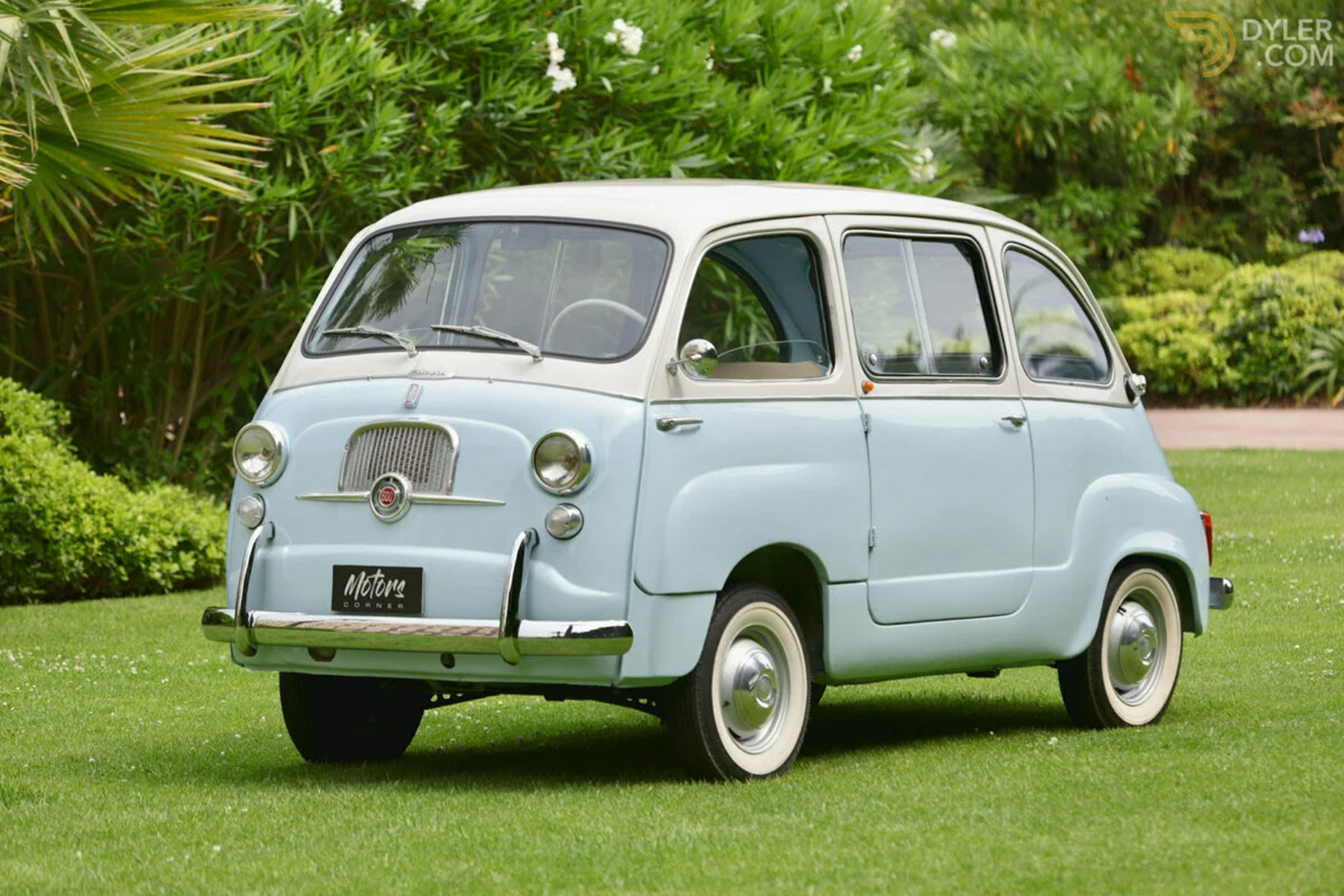
Many people mistakenly believe that Dodge or Renault were the first car manufacturers to create the world's first minivans in the 1980s. But in reality, Fiat introduced the 600 Multipla as early as 1955.
The Fiat 600 Multipla was not only the world's first minivan, but it was also a true "mini" in every sense, measuring less than 3.6 meters in length yet capable of carrying up to six people thanks to its three rows of seats.
The rear seats could also be folded flat to create a bed, a very modern idea at the time. However, the biggest drawback was the short front end, which resulted in poor protection in a frontal collision.
Renault Avantime (2001-2003): A combination of Coupe and MPV
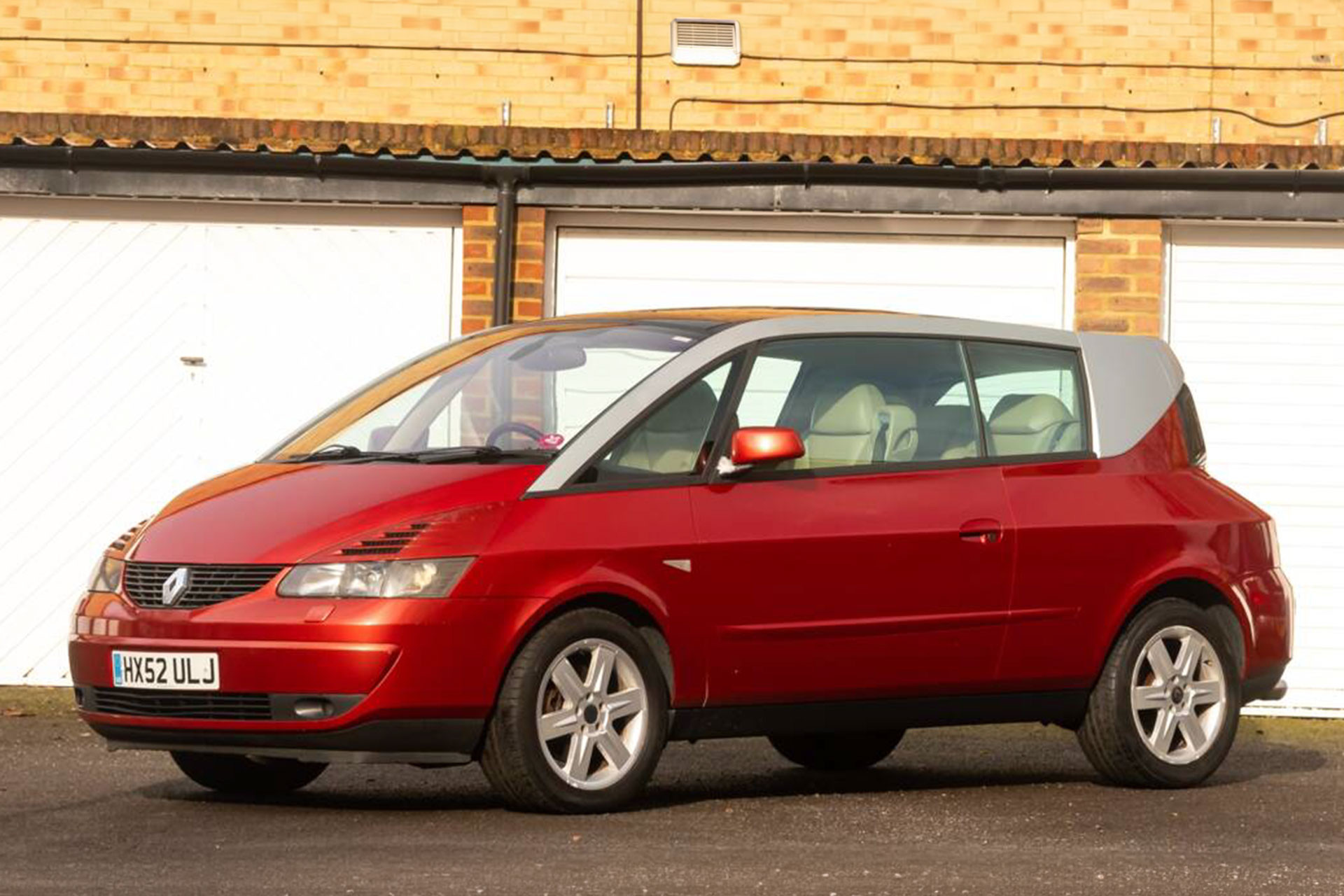
The Renault Avantime was a bold attempt to combine the practicality of an MPV with the sporty coupe styling of the French automaker. The result was a car with a design unlike any other on the market at the time of its launch in 2001.
Its distinctive design, combined with its heavy weight, limited performance, and high price, meant the Avantime only lasted about two years before being discontinued. Throughout its lifespan, only 8,557 units were sold, making it one of Renault's most unsuccessful models.
Mitsuoka Orochi (2006-2014): Supercars shaped like mythical serpents.
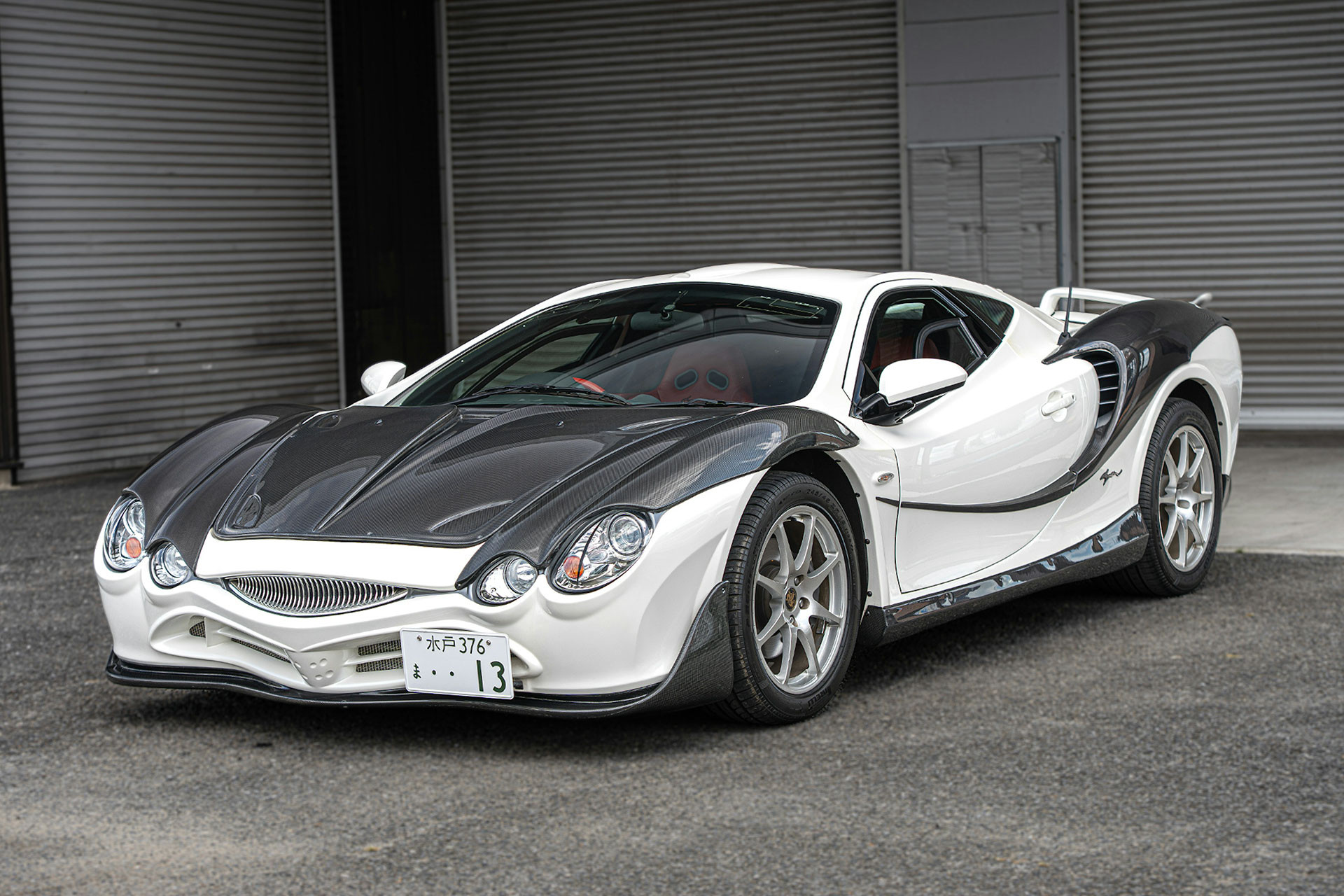
While Ferraris and Lamborghinis pursue aerodynamic beauty, the Mitsuoka Orochi takes a completely different path. Launched in 2006, the car's design is inspired by the eight-headed dragon from Japanese mythology. Its complex curves have led to it being considered one of the ugliest supercars in the world.
Despite its uninteresting driving experience and generally negative reviews, the Mitsuoka Orochi still had its own fan base in Japan and was produced for eight years before production ceased in 2014.
Toyota Will Vi (2000-2001): Toyota's controversial design.
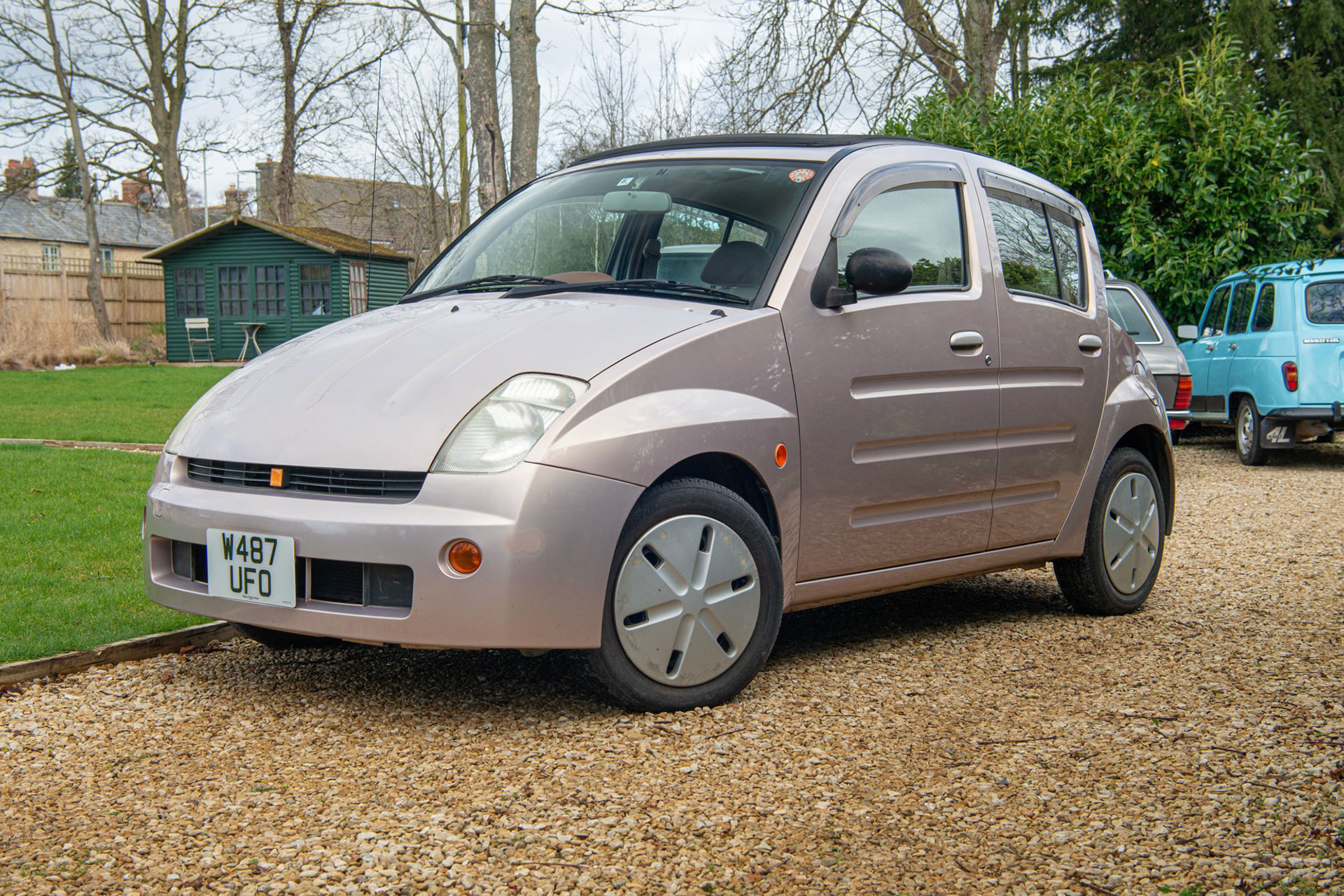
Based on the first-generation Yaris platform, the Will Vi is a collaborative product between Toyota and several Japanese companies, targeting younger customers. This sedan stands out with its large, flared rear end, asymmetrical design, and neo-classical style.
Despite being one of the strangest Toyotas ever sold, the Toyota Will Vi used a lot of recycled materials and environmentally friendly plastics, which was quite rare in the early 2000s. Toyota sold 16,000 units in the two years of production, a considerable number for a car sold only in the Japanese market.
Please share your opinions with VietNamNet Newspaper via email: [email protected]. Suitable content will be published. Thank you!