


Tesla has begun taking the first commercial Cybercabs to the streets of Austin, Texas, for technical testing, marking a new step forward for the robotaxi model that lacks a steering wheel, accelerator pedal, brake pedal, and traditional control levers.
Commercial versions of the Tesla Cybercab begin testing.
Previously, the Tesla Cybercab prototypes undergoing testing were equipped with a steering wheel and some familiar controls. This led some to believe that Tesla may have changed its plans and would bring these features back to the commercial version.
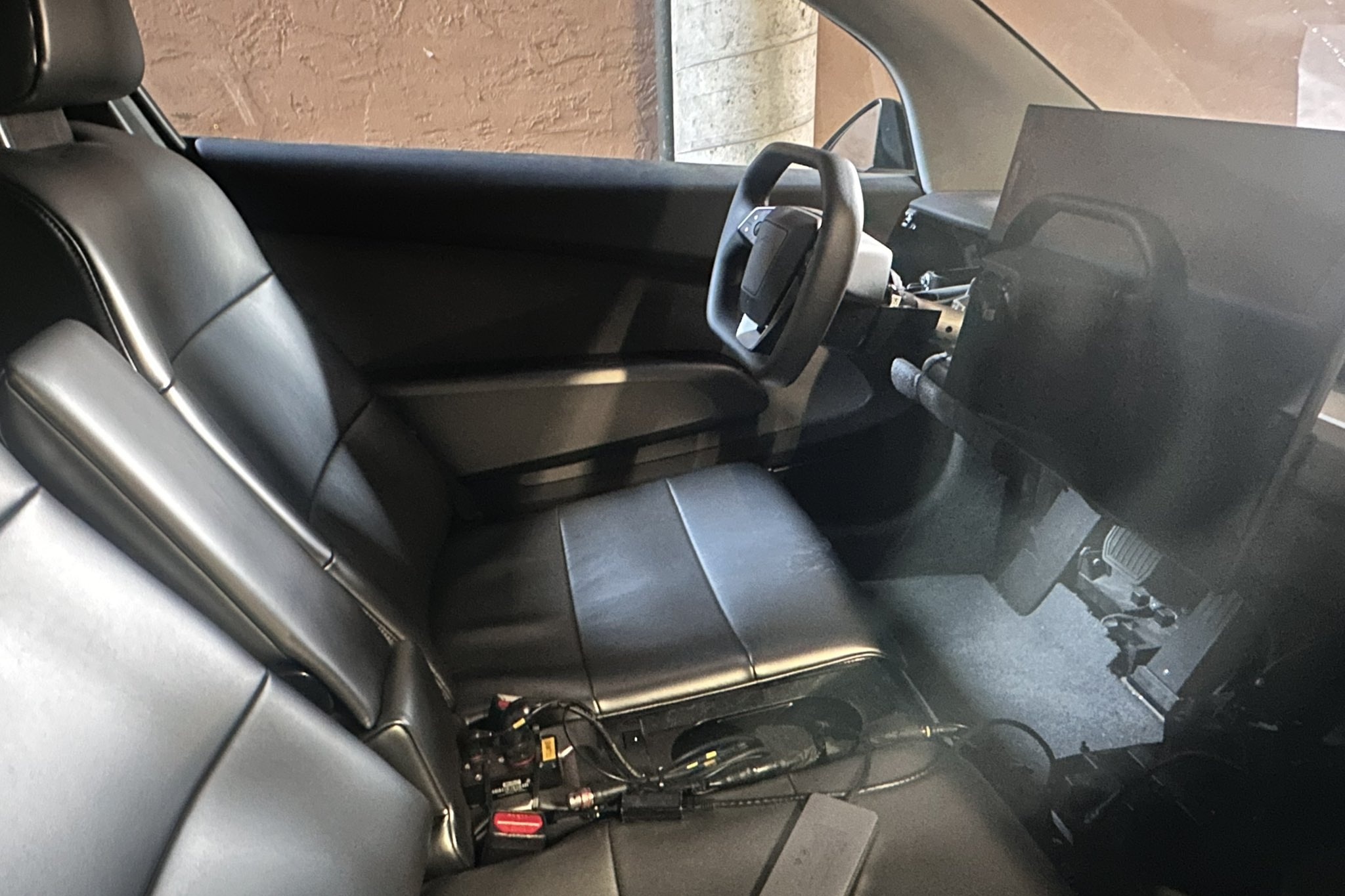
Previously, the Tesla Cybercab prototypes undergoing testing were equipped with a steering wheel and some familiar controls. This led some to believe that the company may have changed its plans and would bring these features back to the commercial version.
However, the appearance of test vehicles with steering wheels and pedals is primarily due to current legal requirements in the United States. According to the Federal Motor Vehicle Safety Standards (FMVSS) administered by the National Highway Traffic Safety Administration (NHTSA), fully autonomous vehicles currently face many limitations when it comes to operating on public roads without traditional control components.
Recently, Tesla confirmed that the first production Cybercabs have begun road testing in Austin. The company posted on social media: "Road testing of the first production Cybercabs has begun in Austin," accompanied by a 27-second video showing the vehicle in operation.
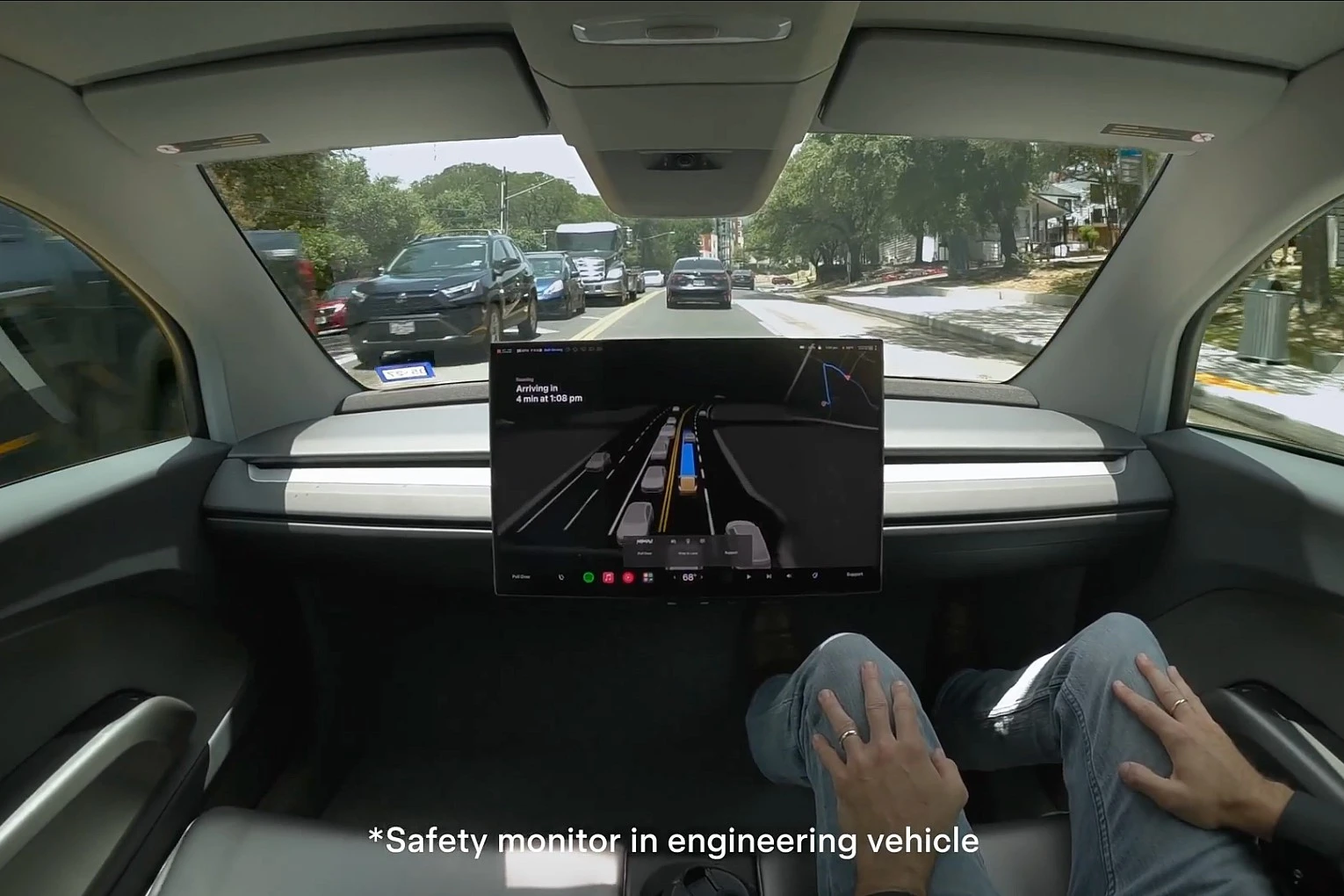
Recently, Tesla confirmed that the first production Cybercabs have begun road testing in Austin. Notably, the vehicle does not feature traditional controls like previous models.
The Tesla Cybercab was designed from the outset as a dedicated autonomous vehicle, completely eliminating the steering wheel, accelerator pedal, brake pedal, and control levers. This model is not intended for human driving but is developed to function as a robotaxi.
The US is gradually easing regulations on autonomous robotaxis.
Regulations in the US are showing signs of changing to better accommodate the development of autonomous vehicle technology. The NHTSA says new adjustments under the FMVSS framework will eliminate the mandatory brake pedal requirement for some autonomous vehicles, paving the way for designs that do not require traditional control systems.
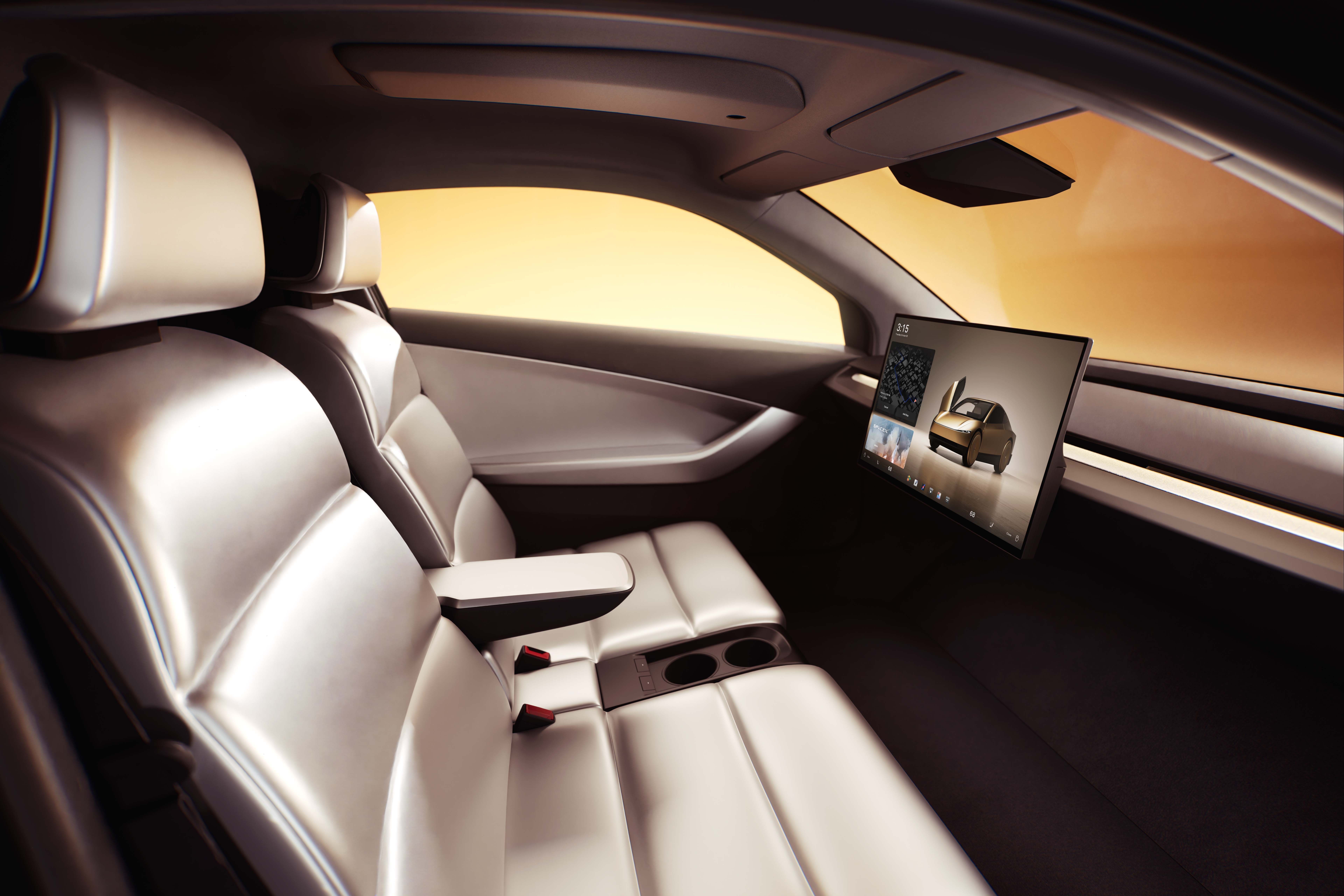
First introduced in October 2024, the Tesla Cybercab is an electric vehicle developed from the ground up for robotaxi purposes, lacking traditional control devices such as a steering wheel or pedals.
A representative from the NHTSA stated that the U.S. needs to change its regulatory approach to maintain its leadership in the field of autonomous vehicles. Accordingly, the agency will remove unnecessary barriers to new designs while still maintaining important safety and accountability requirements for autonomous technology developers.
Besides legal changes, the number of autonomous vehicles without traditional controllers that manufacturers can deploy is currently limited. Therefore, Tesla still has to proceed step-by-step in the testing and licensing process.
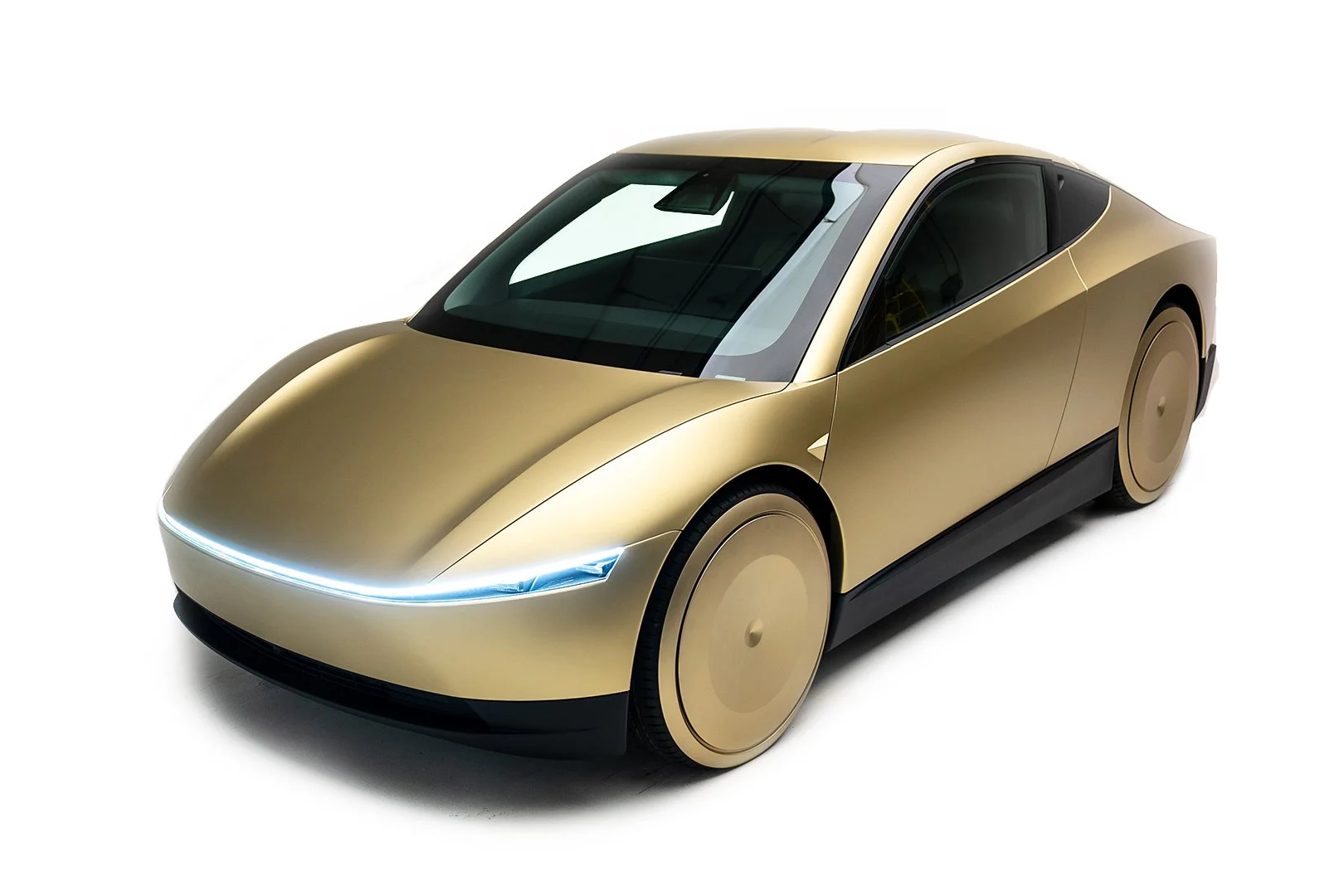
The appearance of the Tesla Cybercab on the streets with its steering wheel and pedal-less design is seen as a significant milestone in the robotaxi strategy of billionaire Elon Musk's automaker.
The appearance of the Tesla Cybercab on the streets with its steering wheel and pedal-less design is seen as a significant milestone in the company's robotaxi strategy, and also demonstrates that the automotive industry is gradually shifting from improving traditional vehicles to developing vehicles designed entirely around autonomous capabilities.