



Presbyopia, also known as age-related hyperopia, is a natural process that occurs when the eyes gradually lose their ability to adjust to seeing objects clearly at close distances.
At that time, many people began to find it more difficult to read books, look at their phones, or do tasks that required close vision.
Signs of presbyopia
Symptoms of presbyopia usually appear gradually and become more noticeable over time. Some common signs include: Difficulty reading books, newspapers, or small print at close range; having to move books, phones, or documents further away from the eyes to see clearly.
Eye strain or headaches after reading, working on a computer, or performing tasks requiring close vision for extended periods. Many people experience eye fatigue after prolonged viewing. Initially, these symptoms may only occur occasionally. However, over time, the condition becomes more pronounced and significantly impacts daily life.
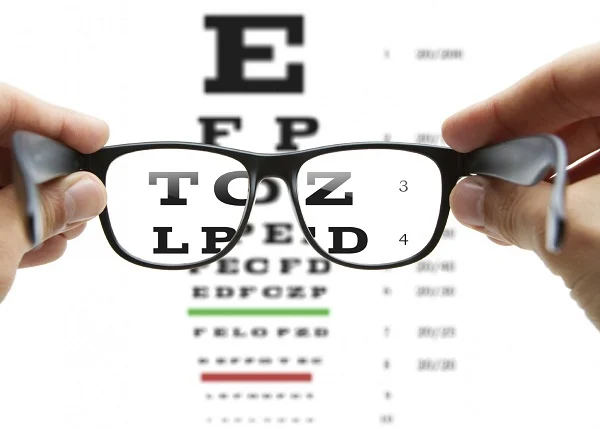
Although it's impossible to completely prevent presbyopia, there are many methods to help improve near vision.
To improve vision
Although it's impossible to completely prevent presbyopia, there are now many methods to improve near vision, including the use of reading glasses. This is the simplest and most common method for correcting presbyopia. These glasses increase the ability to focus light when looking at close objects, making it easier for users to read or work with objects at close distances.
Reading glasses are commonly used when close vision is required, such as when reading documents, checking a phone, or sewing.
Bifocal or multifocal glasses are a suitable option for people who have both presbyopia and other refractive errors such as myopia or hyperopia. These glasses are designed with multiple viewing zones, allowing wearers to see clearly at various distances without changing glasses. This enables users to flexibly switch between near and far vision in their daily lives.
For those who don't want to wear eyeglasses, progressive contact lenses may be a suitable option. These lenses are designed to provide clear vision at various distances. However, contact lenses should be used strictly according to a doctor's instructions to avoid the risk of eye infections.
In some cases, surgical procedures such as LASIK or artificial lens implantation can help improve vision.
However, surgery always carries certain risks. Therefore, patients need to be thoroughly examined and fully advised by a specialist doctor before deciding to undergo the procedure.
How to care for your eyes to reduce fatigue.
Besides using vision correction methods, proper eye care can also help reduce the discomfort caused by presbyopia.
- Give your eyes adequate rest.
One simple yet effective way to reduce eye strain is to establish a habit of taking regular breaks when working at close range.
Experts recommend applying the 20-20-20 rule: after every 20 minutes of reading or working on a computer, look into the distance about 6 meters for 20 seconds. This helps relax the eyes and reduce strain on the accommodative muscles.
Additionally, people who work extensively with computers should avoid staring at screens for hours on end. Getting up to do some light exercise or changing activities for a few minutes can also help the eyes rest and recover.
- Adjust the lighting accordingly.
Inappropriate lighting is one of the causes of eye fatigue, especially in people with presbyopia.
When reading or working, ensure your workspace is well-lit. The light should be soft, evenly distributed, and not too bright. Position the lamp behind or to the side to avoid direct light shining into your eyes.
For computer or phone screens, the brightness should be adjusted to match the ambient light. Screens that are too bright or too dark can cause the eyes to strain more.
- Maintain a safe distance when looking.
The distance between the eyes and the object being viewed also plays an important role in reducing eye strain.
When reading a book, the ideal distance should be 30-40 cm. For computer monitors, the distance should be maintained at 50-70 cm, and the screen should be placed slightly lower than eye level for a comfortable viewing angle.
Maintaining the correct distance not only helps the eyes see more clearly but also reduces strain on the eye muscles.
- Nutritional supplements that are good for the eyes.
A proper diet also plays an important role in protecting eye health.
Foods rich in vitamin A, vitamin C, vitamin E, lutein, and omega-3s can help support vision and slow the aging process of the eyes. These nutrients are commonly found in dark green vegetables such as spinach and broccoli, carrots, pumpkin, seafood, eggs, and nuts.
In addition, drinking enough water every day helps maintain moisture in the eyes and reduces dry eye symptoms.
- Regular eye check-ups
People aged 40 and older should have regular eye exams to monitor their vision health. Eye exams help detect early eye problems such as cataracts, glaucoma, or macular degeneration.
If necessary, the doctor will advise on the use of appropriate reading glasses to help improve vision and reduce strain when working at close range.
In summary: Presbyopia is an unavoidable part of the aging process. However, with advances in modern medicine, correcting vision has become much easier and more effective.
Regular eye exams, choosing the right corrective method, and maintaining a healthy eye care routine will help people with presbyopia maintain clear vision and a good quality of life.
When noticing symptoms such as difficulty reading small print, having to hold books further away, or frequent eye strain when working at close range, people should visit an ophthalmology clinic for timely examination and advice. Proactive eye care is the best way to protect eyesight as one enters middle age.