


Let's explore the detailed answers through a comprehensive perspective on the weather, scenery, culture, and cuisine of the Land of the Rising Sun below.
What is the autumn weather like in Japan ?
Autumn in Japan lasts from September to November . This is considered the ideal time of year because the weather is very cool and dry, with gentle sunshine and very little rain or storms compared to summer .
Temperatures gradually decrease each month, resulting in different climatic experiences:
– September (Early Autumn): The transitional period between summer and autumn. The weather is still a bit hot and humid at the beginning of the month, but by the end of the month the air starts to get cool at night, with average temperatures ranging from 20°C to 27°C.
– October (Mid-Autumn): Autumn officially arrives with clear blue skies, dry air, and extremely pleasant temperatures (around 14°C – 22°C). This is the best month for outdoor activities.
– November (Late Autumn): The weather turns noticeably colder (7°C – 15°C). This is also when shades of red and yellow cover the landscape, from rural areas to cities.
| Month | Average temperature | Weather characteristics | Outfit suggestions |
| September | 20°C – 27°C | Mild sunshine, cool nights. | T-shirts, shirts, light jackets |
| October | 14°C – 22°C | Dry, fresh, very pleasant. | Thin sweater, cardigan, long pants |
| November | 7°C – 15°C | Relatively cold, dry air | Wool coat, thin puffer jacket, scarf |
What makes the autumn scenery in Japan so unique?
If you were to ask what makes autumn in Japan so magical, it would be the phenomenon of the changing colors of the leaves — also known as Koyo (changing leaves) or Momiji (red maple leaves).
You might not know this: The autumn foliage season in Japan runs from north to south (opposite to the cherry blossom season). It begins in Daisetsuzan National Park (Hokkaido) in mid-September and ends in the south (Kyushu) in mid-December.
The painting is vibrant and lively.
Unlike the gentle pink hues of cherry blossoms in spring, autumn adorns Japan with a vibrant cloak woven from three main colors:
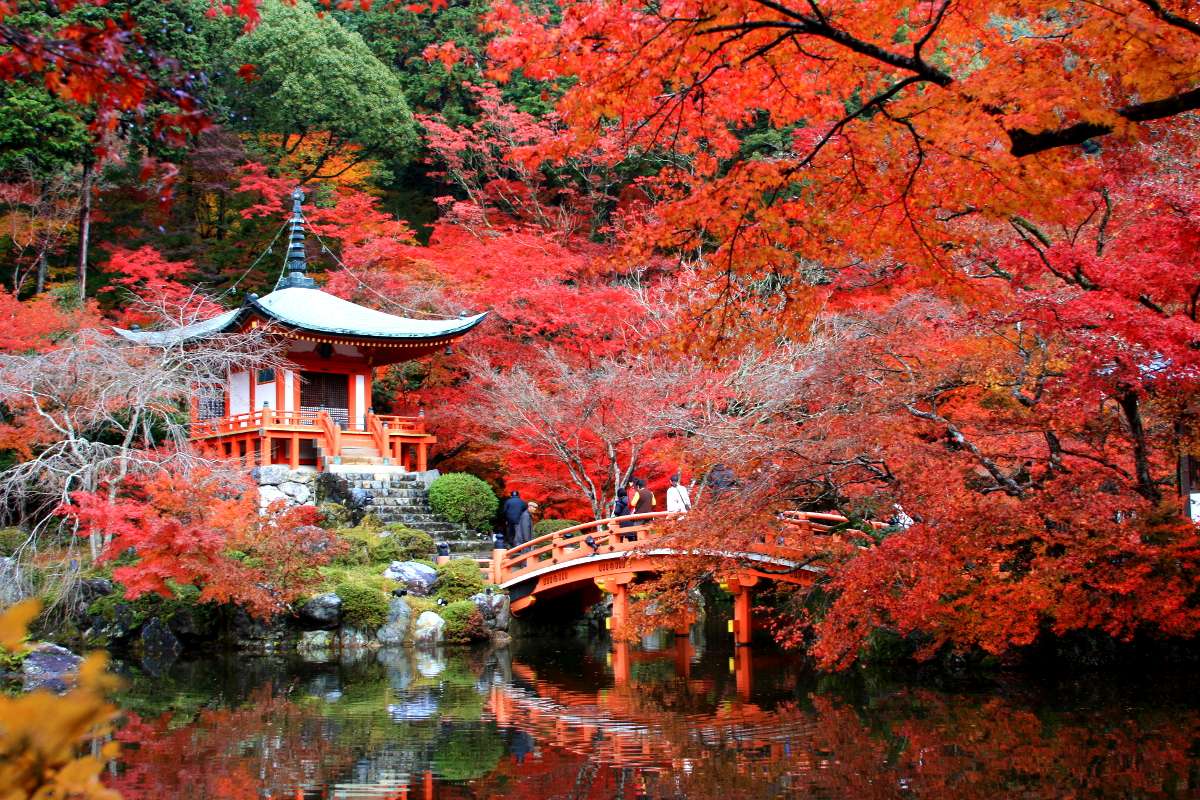
– Vibrant red color: Of the red maple ( Kaede ) species.
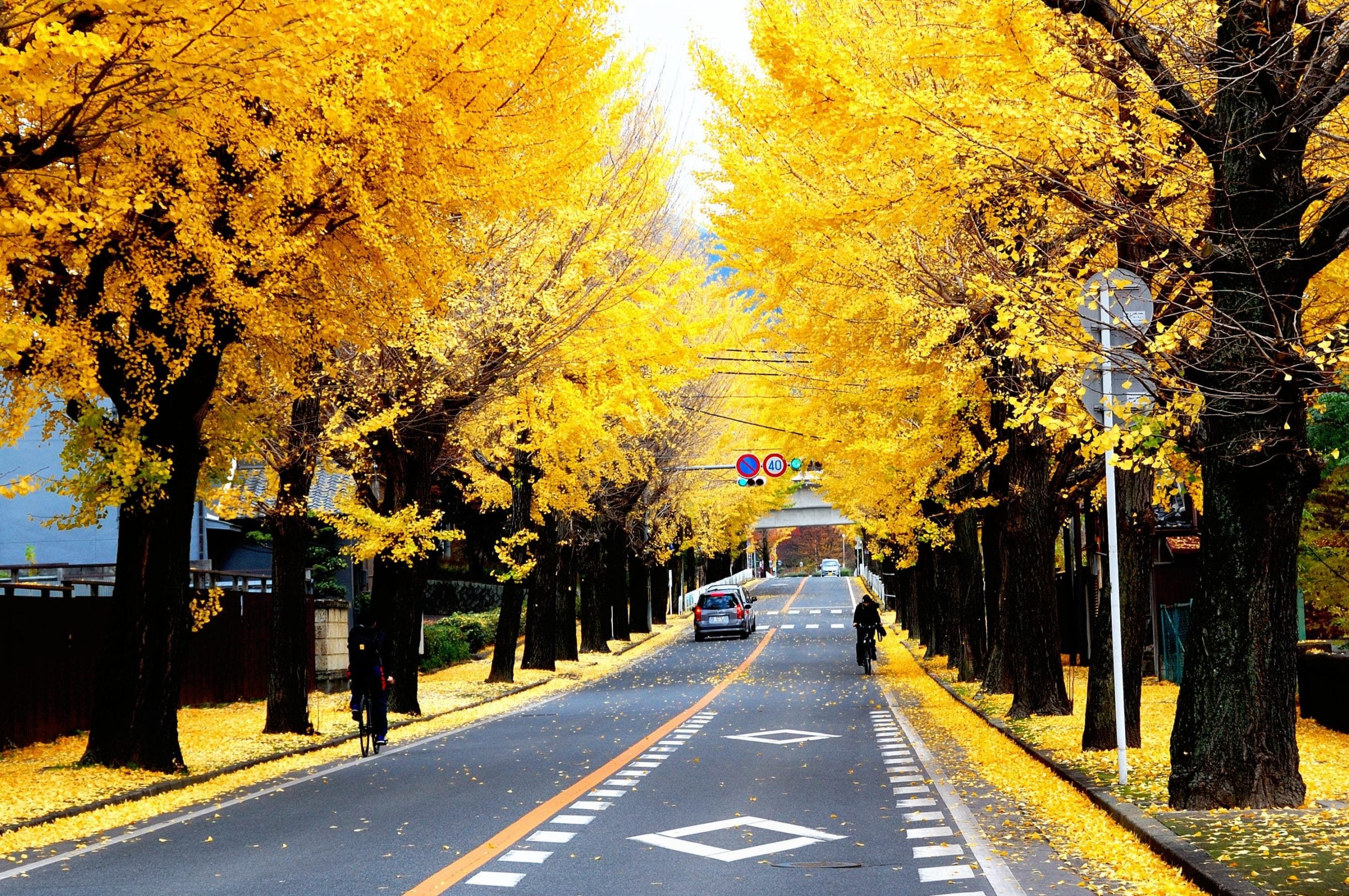
– The golden hue: Of the ginkgo trees ( Icho ).
– Warm orange hue: Of the highland vegetation and fruit trees.
A harmonious blend of nature and ancient heritage.
The autumn foliage is at its most beautiful when viewed alongside traditional architectural structures. The sight of ancient temples in Kyoto, thousands of years old, such as Kiyomizu-dera and Kinkaku-ji, nestled beneath a canopy of vibrant red maple leaves, creates a tranquil and sacred atmosphere.
On major avenues in Tokyo (such as Meiji Jingu Gaien), rows of ginkgo trees paint the sky a brilliant yellow, creating poetic "golden avenues."
Unique Culture and Activities in Japan During Autumn
Understanding what autumn is like in Japan is not just about sightseeing, but also about experiencing how the Japanese enjoy the season:
Experience the tradition of "Autumn Leaf Hunting" (Momijigari).
Similar to the Hanami flower-viewing culture in spring, the Japanese have a tradition of Momijigari – the custom of strolling, picnicking, and observing the changing colors of nature. Large parks, temples, and valley areas are always filled with the joyful atmosphere of both locals and tourists.
Relax with an Onsen bathing experience.
Nothing beats soaking in a natural hot spring (Onsen) amidst the cool autumn afternoon air. Famous resorts like Hakone, Yufuin, and Noboribetsu boast outdoor baths ( Rotenburo ) with stunning views of mountains covered in autumn foliage.
Immerse yourself in the autumn festivals (Matsuri).
Autumn is the harvest season for agricultural products, and also the time when many festivals are held throughout the country to give thanks to the gods.
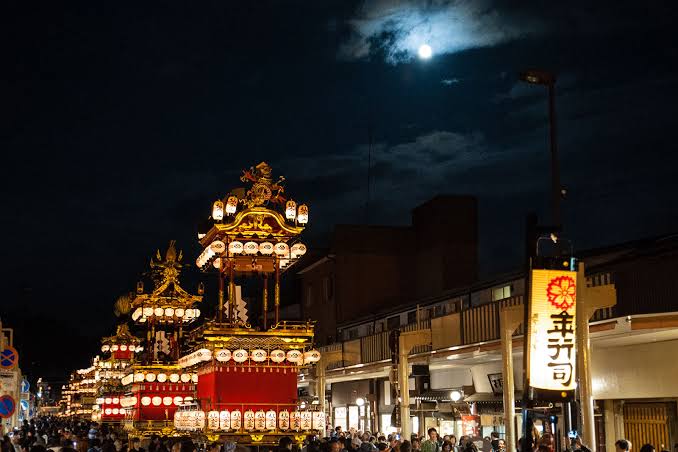
– Takayama Autumn Festival (Gifu): One of the most beautiful festivals in Japan, featuring a magnificent dragon float parade amidst a backdrop of vibrant autumn foliage.
– Jidai Matsuri Festival (Kyoto): A large-scale parade recreating the glorious historical periods of the ancient capital.
Unique Japanese Autumn Cuisine
The Japanese have a famous saying: "Autumn is the season of appetite" ( Shokuyoku no Aki ). This is the time of year when agricultural products and seafood are at their freshest and most flavorful.
– Sanma mackerel (Sanma no Shioyaki): This succulent fish, a symbol of autumn, is often grilled whole with salt and served with grated radish and Sudachi lime.
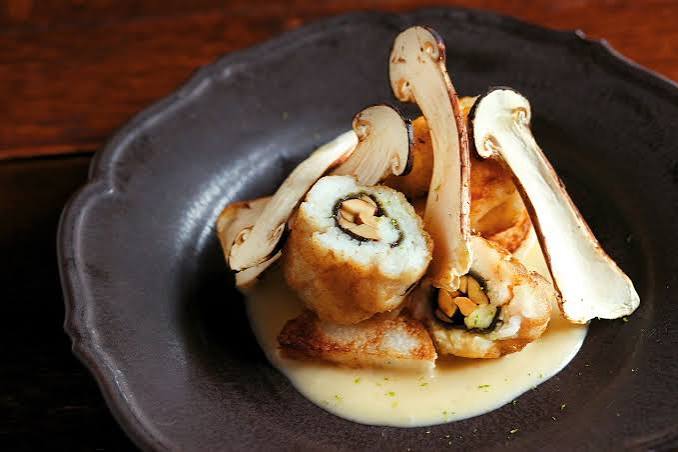
– Matsutake mushrooms: A rare and premium type of mushroom with a distinctive aroma, used in dishes such as mushroom rice ( Matsutake Gohan ) or Dobin Mushi soup .
– Persimmon (Kaki) and Chestnut (Kuri): Sweet treats of autumn, commonly found in traditional Wagashi sweets.
– Maple leaf tempura (Momiji Tempura): A unique specialty of the Minoh region (Osaka), using maple leaves that have been soaked in salt for a year and then coated in batter and deep-fried until crispy.
Essential Tips for Traveling to Japan in Autumn
To make your autumn exploration trip as fulfilling as possible, you should keep these important tips in mind:
- Plan early: Autumn is the second-highest tourist season in Japan (after cherry blossom season). Book your flights, hotels, and transportation 2-3 months in advance.
- Prepare personal items: Due to the dry and windy weather, you should bring moisturizer, lip balm, and a personal water bottle.
- Travel smart: Buy an unlimited Japan Rail Pass (JR Pass) if you plan on intercity travel (such as Tokyo – Kyoto – Osaka).
- Suitable clothing: Layering is recommended so that you can easily remove layers while walking or add more when the temperature drops in the evening.
From the above analysis, you can surely picture what autumn in Japan is like . It's not simply a change in weather, but a masterpiece blending cool air, vibrant natural colors, ancient cultural beauty, and rich cuisine. Autumn in Japan is an experience everyone should try at least once in their lifetime.