


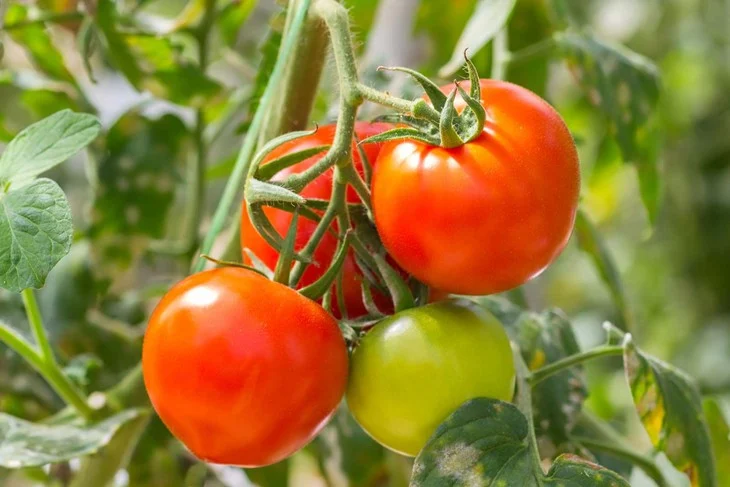
Tomatoes have long been a staple in nutritionally-regarded diets, including the Mediterranean diet. This fruit provides vitamins, carotenoids, and numerous plant compounds. - Photo: Britannica
However, experts emphasize that these are only preliminary results and tomatoes cannot replace proven treatments or weight loss methods.
MASLD is a condition characterized by the abnormal accumulation of fat in the liver, often associated with metabolic risk factors such as obesity or high blood pressure. If left untreated, the disease can progress and affect liver function.
Therefore, any dietary changes that could potentially help control liver fat are attracting attention. A recent study in the journal Nutrients focused on a very familiar food: tomatoes.
Eating tomatoes for 6 weeks resulted in a greater reduction in liver fat.
The study involved 79 adults with MASLD. Researchers divided them into two groups. One group maintained a tomato-free diet, while the other group supplemented their diet with 200g of fresh tomatoes and 50g of tomato sauce daily for 6 weeks.
In addition to supplementing their diet with tomatoes, participants were asked to maintain their normal lifestyles. Researchers monitored various indicators, including liver fat, liver stiffness, cholesterol, liver enzymes, body mass index, and body composition.
The notable result was a reduction in liver fat in both groups, but the reduction was greater in the group that consumed tomatoes daily.
This suggests that tomatoes may play a role in controlling fat accumulation in the liver. Notably, this change was not accompanied by significant differences in weight, total body fat, or abdominal fat between the two groups.
Why might tomatoes be related to liver health?
The liver is the central organ for the metabolism of fats, sugars, and many other nutrients. When too much fat accumulates in the liver, especially in the context of metabolic problems, the risk of liver damage can increase.
Tomatoes have long been a staple in nutritionally-regarded diets, including the Mediterranean diet. This fruit provides vitamins, carotenoids, and numerous plant compounds.
However, current research only shows a reduction in liver fat, and has not proven that tomatoes can prevent disease progression or repair liver damage.
The researchers also found no significant differences between the two groups on several other indicators after 6 weeks, including cholesterol, liver enzymes, liver stiffness, and body mass index.
This is a point that requires special attention.
A person may have less fat in their liver, but that doesn't necessarily mean their overall metabolic health or liver function has significantly improved.
The study also has some limitations. The follow-up period is only 6 weeks, the number of participants is relatively small, and the majority are male. Those with a BMI over 30 were also excluded from the study, making the results difficult to apply to all MASLD patients, especially those who are obese or have multiple metabolic disorders.
Furthermore, the research team combined fresh tomatoes and tomato sauce, so it's not yet possible to know exactly which form of tomato produced the observed effect. Experts therefore believe that larger, longer studies are needed to confirm the results.

If you like tomatoes, you can absolutely include them in your daily meals - Photo: Splendid table
How should you eat tomatoes to protect your liver?
While tomatoes cannot yet be considered a treatment for MASLD, incorporating them into a balanced diet may still be a reasonable option for many people.
It's important not to focus on just one type of food.
MASLD is often closely linked to metabolic issues. Therefore, weight management, maintaining physical activity, and building an overall healthy diet remain more important than simply adding more tomatoes to your diet.
A meal can combine tomatoes with leafy greens, beans, whole grains, fish, eggs, or other suitable protein sources. Instead of regularly consuming foods high in sugar, saturated fat, or ultra-processed foods, prioritizing less processed foods can offer broader benefits to metabolic health.
In particular, it's important to distinguish between pure tomatoes and processed tomato products. Some commercial tomato sauces may contain high amounts of sugar, salt, or calories. Therefore, not all products with "tomato" on the label have the same nutritional value.
For individuals with MASLD, self-treatment with a single food is not recommended. Experts suggest that sustained weight loss of 10% or more in eligible individuals remains one of the most well-documented approaches to improving fatty liver disease and related metabolic issues.
Tomatoes should therefore be considered part of a healthy diet, rather than a "cure-all food".
Another point to note is that tomatoes may not be suitable for some people, such as those with gastroesophageal reflux disease (GERD). Therefore, the diet should be adjusted according to the specific health condition.
Overall, this six-week study yielded an interesting finding: a common food like tomatoes may be linked to reduced fat accumulation in the liver. But this is only an initial finding.
Further large-scale and long-term studies are needed to determine whether this benefit is sustainable and whether it truly helps improve key outcomes such as liver function, fibrosis, or cardiovascular risk.