



Fiber not only helps prevent constipation but is also the "lifeblood" of the gut microbiome – a key factor determining digestive, immune, and metabolic health. Supplementing with the right amount of fiber daily is a simple way to protect your long-term health.
Many people focus on weight loss, blood sugar control, or trendy diets like keto or intermittent fasting, but one crucial nutritional element is often overlooked: fiber. Meanwhile, the health benefits we desire – from improved digestion to a reduced risk of chronic diseases – all begin with a healthy gut.
Fiber can be likened to the "framework" of plants. Unlike starches or sugars, fiber is not digested in the small intestine but goes straight to the large intestine, where it becomes food for trillions of beneficial gut bacteria. This process is what gives fiber its special role in human health.
1. Why is fiber particularly important for the gut?
Nourishing the microbiome: Fiber is considered a prebiotic, or "food" for probiotics – beneficial bacteria that live in the gut. When fiber is fermented, bacteria produce short-chain fatty acids (SCFAs), compounds that have been shown to have the following effects:
- Anti-inflammatory.
- Supports weight management.
- Reduces the risk of type 2 diabetes.
- Protects the cardiovascular system, liver, and brain.
- Regulating the immune system...
Numerous studies have shown that a diverse and balanced microbiome is directly related to longevity and quality of life.
Helps the digestive system function smoothly: Fiber, especially insoluble fiber found in green vegetables and whole grains, helps increase stool bulk and promotes bowel movements. This prevents food from remaining in the colon for too long – a crucial factor in reducing constipation and minimizing irritation of the intestinal lining.
Meanwhile, soluble fiber (found in oats, nuts, lentils, etc.) can absorb water, slow down digestion, help stabilize blood sugar, and prolong the feeling of fullness.
Other benefits of fiber: A high-fiber diet also helps stabilize post-meal blood sugar, lower blood cholesterol, support weight management, reduce the risk of cardiovascular disease, and reduce the risk of colorectal cancer… A 2024 research review showed that increasing both soluble and insoluble fiber intake is associated with a reduced risk of cardiovascular disease, type 2 diabetes, obesity, and chronic inflammation.
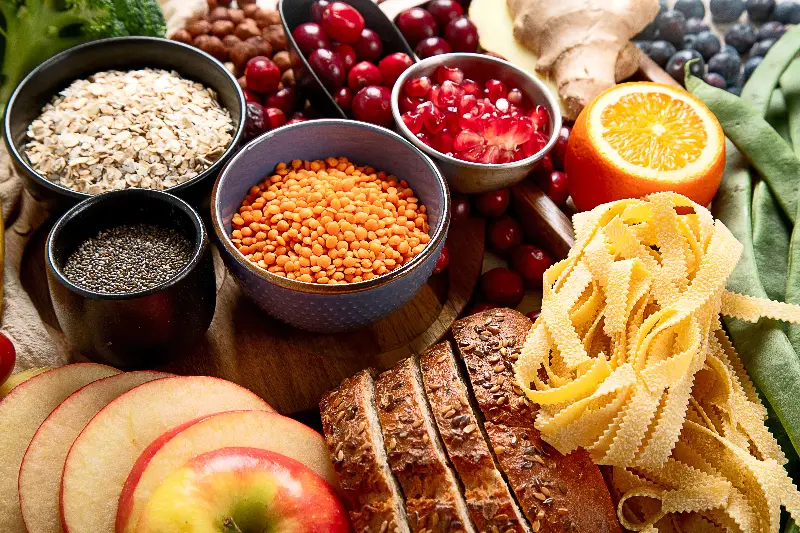
Fiber is considered a prebiotic, and is especially important for the gut.
While there are no official mandatory recommendations, common nutritional guidelines suggest that for every 1,000 kcal of energy, approximately 14g of fiber should be consumed. For adults, a target of around 25g of fiber per day is considered reasonable. However, this number may vary depending on individual health conditions and underlying medical issues, so it is advisable to consult a healthcare professional when necessary.
2. Foods rich in fiber should be included regularly in your diet.
2.1. Avocados are rich in fiber and healthy fats: Few people realize that avocados are one of the fruits richest in fiber. Half an avocado provides about 7g of fiber, and also contains heart-healthy unsaturated fats, helping to create a feeling of fullness and stabilize energy levels.
2.2. Legumes: Beans are a familiar source of fiber, suitable for Vietnamese meals. On average, ½ cup of cooked beans provides about 7g of fiber. In addition, beans are rich in plant-based protein, which helps control blood sugar effectively.
2.3. Berries: Strawberries, blueberries, raspberries… are not only rich in antioxidants but also contain about 8g of fiber per cup; they can be consumed fresh, frozen, mixed with oatmeal, smoothies, or salads.
2.4. Chia seeds: Just two tablespoons of chia seeds provide nearly 11g of fiber. Chia seeds help support digestion, stabilize blood sugar, and can easily be added to many familiar dishes such as yogurt, smoothies, and oatmeal.
2.5. Apples: Apples contain 3–5g of fiber per fruit, mainly concentrated in the peel. They are an ideal snack choice, requiring no complicated preparation and suitable for many people.
2.6. Cruciferous vegetables: Broccoli, cauliflower, and Brussels sprouts not only provide fiber but also contain sulforaphane, a compound linked to cancer prevention. Fiber content ranges from 2–5g per cup, depending on the type.
2.7. Lentils: ½ cup of cooked lentils provides about 8g of fiber. Lentils are easy to prepare and can be used in soups, stews, or as a meat substitute in vegetarian dishes.
2.8. Whole grains: Oats and quinoa are prime examples. ½ cup of oatmeal Rolled oats contain about 5g of fiber, equivalent to 1 cup of cooked quinoa. This food group helps provide stable energy and supports long-term digestion.
Experts recommend increasing fiber intake gradually, while also drinking enough water to avoid bloating and discomfort; prioritizing fiber from natural foods rather than overusing supplements.