


Healthy kidneys depend on many factors such as blood pressure, blood sugar, weight, and lifestyle. Of these, diet plays a particularly important role.
According to the National Kidney Foundation of the United States, a balanced diet can help reduce the risk of kidney damage and slow disease progression in people who already have chronic kidney disease.
Prioritize fresh foods and limit salt intake.
Dr. Shivam Joshi , a nephrologist at the Grossman School of Medicine, New York University (USA) , says one of the most important principles for protecting the kidneys is reducing sodium intake in the diet.
Consuming too much salt raises blood pressure, damages the small blood vessels in the kidneys, and forces the kidneys to work harder. The World Health Organization (WHO) recommends that adults consume less than 5 grams of salt per day , equivalent to about one teaspoon.
Instead of processed foods like sausages, cold cuts, instant noodles, or canned goods, experts recommend prioritizing fresh, homemade meals to control salt intake.
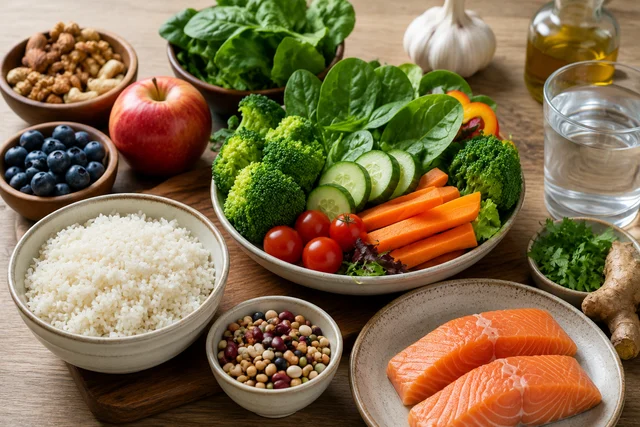
Maintaining a balanced diet, limiting salt intake, prioritizing fresh foods, eating a nutritious diet, and combining it with regular exercise are essential for long-term kidney protection.
Illustration: PH created from GPT Chat
Eat plenty of vegetables, fruits, and whole grains.
According to the Harvard TH Chan School of Public Health (USA) , a diet rich in green vegetables, fruits, legumes, and whole grains helps improve blood pressure, reduce inflammation, and support kidney function.
Dr. Joshi explained that dietary fiber also helps nourish the gut microbiome. When the microbiome is healthy, the body produces fewer toxins, thereby reducing the burden on the kidneys to filter waste.
For healthy individuals, there is no need to avoid potassium-rich vegetables or fruits. Only those with advanced chronic kidney disease need to adjust their potassium intake as directed by their doctor.
Choose a suitable protein source.
Protein is an essential nutrient for maintaining muscle mass and overall health. However, consuming too much, especially red meat and processed meats, can increase the amount of waste that the kidneys have to process.
Melanie Betz , a registered dietitian specializing in kidney disease in the US, recommends prioritizing fish, skinless poultry, tofu, beans, and low-fat dairy. She also emphasizes maintaining an appropriate protein intake to meet the body's needs, rather than consuming excessive amounts.
Drink enough water and control your blood sugar.
According to the U.S. National Institute of Diabetes, Digestive and Kidney Diseases (NIDDK) , drinking enough water helps the kidneys flush out waste more efficiently and reduces the risk of kidney stone formation in many people.
In addition, maintaining a healthy weight and controlling blood sugar and blood pressure are just as important as diet. These are key factors in preventing chronic kidney disease.
Experts emphasize that there is no single "superfood" that can guarantee kidney health. The key is to maintain a balanced diet, limit salt intake, prioritize fresh foods, eat a variety of nutrients, and combine this with regular exercise for long-term kidney protection.