



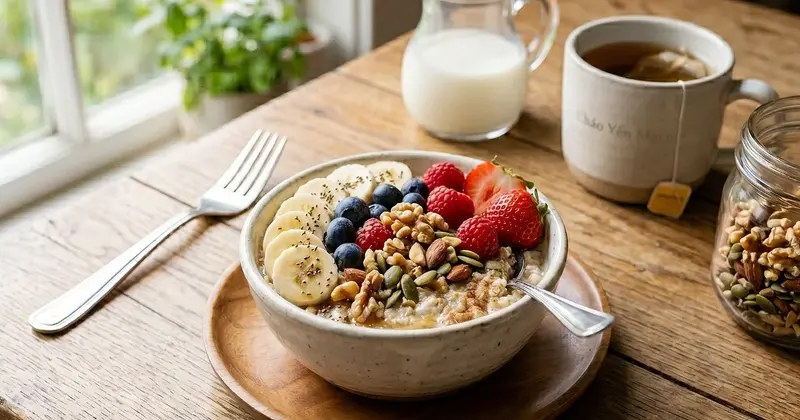
- Oats are rich in beta-glucan, a type of soluble fiber that helps remove bad cholesterol from the body.
- Add berries, apples, bananas, and walnuts or almonds to increase cardiovascular benefits.
- Avoid adding sugar or sweets to your breakfast to prevent an increase in bad cholesterol.
Good breakfast foods help lower bad cholesterol.
Expert Manaker recommends having a bowl of oatmeal for breakfast, with added fresh fruit and nuts (and a drizzle of honey or cinnamon for sweetness).
While some may be unfamiliar with oatmeal, many health-conscious individuals consume it as a regular food. It's a source of soluble fiber, particularly beta-glucan. This substance forms a gel in the intestines, trapping cholesterol and removing it from the body, preventing its absorption into the bloodstream. One cup of cooked oatmeal provides about 4 grams of soluble fiber, which helps lower "bad" cholesterol, according to the health website Verywell Health .
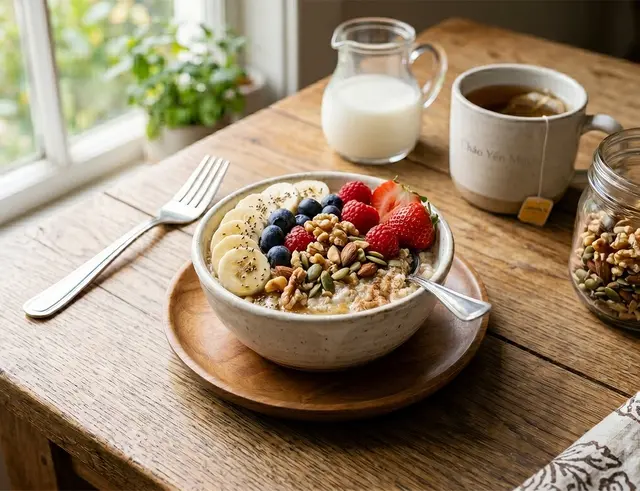
Starting your breakfast with oatmeal is great for overall health, especially cholesterol.
Photo: PH created from GM
Toppings that enhance benefits
To further enhance nutritional benefits, consider adding:
Fresh fruit : Berries, bananas, and apples provide vitamins, antioxidants, and fiber.
Nuts : Almonds, walnuts, and chia seeds provide healthy fats, protein, and omega-3 fatty acids.
If you want it sweeter : You can add cinnamon and a little honey for natural sweetness and antioxidants.
Foods to avoid
Conversely, expert Manaker advises limiting sugar, dried fruits with added sugar, milk chocolate, or candy because they contain high amounts of sugar and saturated fat that negatively affect cholesterol.
Combine this with an overall balanced diet.
Ms. Manaker emphasized that oatmeal breakfasts should be combined with other heart-healthy meals including plenty of vegetables, lean protein such as fish, legumes, whole grains, and healthy fats like avocado and olive oil. At the same time, it's important to avoid foods high in saturated fats such as animal fat, margarine, trans fats in fried foods and processed foods, and especially to limit salt and avoid added sugar.
In addition, maintaining a healthy weight, exercising regularly, quitting smoking, and limiting alcohol are also very important. Regularly checking cholesterol levels is crucial, especially for those with diabetes, cardiovascular disease, or a family history of high cholesterol.