


In traditional medicine, "tonifying the kidneys" is a broad concept, associated with the function of the kidneys and health manifestations according to each disease type; it is not synonymous with treating kidney diseases according to modern medicine.
Certain types of beans and seeds, such as black beans, black sesame seeds, and peanuts, are used in macrobiotics and traditional medicine for specific purposes. From a modern nutritional perspective, they also provide plant-based protein, fiber, unsaturated fats, vitamins, minerals, and many beneficial plant compounds. However, each type has its own nutritional characteristics and usage guidelines.

MSc. Dr. Nguyen Dinh Thuc, Deputy Director of the Vietnam Institute of Traditional Medicine.
1. Black beans - nourish kidney yin.
Black beans, also known as black peas, black beans, or fragrant beans, have the scientific name Phaseolus vulgaris. According to traditional medicine, black beans have a sweet taste and neutral properties; they act on the spleen, lungs, and kidneys; and are commonly used to nourish the kidneys, promote diuresis, strengthen the lungs, clear heat and detoxify, stabilize blood sugar, lower cholesterol, benefit cardiovascular health, improve digestion, and relieve constipation.
According to MSc. Dr. LY. Nguyen Dinh Thuc, Deputy Director of the Vietnam Institute of Traditional Medicine, black beans are also processed into a medicinal ingredient called "dam dau xi," which is used in many prescriptions to relieve external symptoms, dispel wind-heat, relieve anxiety, calm the nerves, harmonize the stomach, and aid digestion. Black beans are both a medicinal ingredient and a familiar food, which can be prepared into many dishes in daily meals.
Not only is it used in traditional medicine, but black beans also have good nutritional value. This type of bean provides plant-based protein, fiber, B vitamins, iron, calcium, magnesium, folate, flavonoids, and many other plant compounds. Adding black beans and other beans to your diet helps diversify protein sources while increasing fiber intake.
In a daily diet, black beans can be used to make low-sugar black bean sweet soup, black bean porridge, black bean sticky rice, soup, or combined with other grains and foods to nourish human health.
2. Ginkgo nuts - Nourishes the kidneys and improves sperm quality.
In traditional medicine, ginkgo seeds are also known by other names such as: Silver apricot, Gongsun tree, or Apcuo seed. Its scientific name is Ginkgo biloba L. , belonging to the Ginkgoaceae family.
According to MSc. Dr. Nguyen Dinh Thuc, the main chemical components of ginkgo biloba include: flavonoids, terpenoids (ginkgolide, bilobalide). This herb has a warm nature, a sweet and slightly bitter taste, and acts on the heart, lungs, and kidneys (according to the revised herbal text). It helps the lungs treat coughs, replenish qi, clear phlegm, warm the lungs, and relieve asthma (treating asthma and bronchospasm); helps the heart calm the mind and regulate qi and blood; helps the kidneys reduce frequent urination, urinary incontinence, nocturia, and spermatorrhea; treats vaginal discharge and leukorrhea in women and supports overall health.
The seeds also contain other components: starch, fat, protein, and sugar. They are also used in some traditional East Asian dishes. In Vietnam, ginkgo seeds are often roasted, crushed, or coarsely ground (or powdered) to marinate meat, grilled dishes, stew bones, and make pho broth, adding flavor and preventing the dish from being too rich.
However, unlike many commonly consumed foods, ginkgo nuts require caution regarding safety. The nuts contain 4'-O-methylpyridoxine (ginkgotoxin), a substance that can affect the nervous system and cause poisoning when consumed in large quantities. Symptoms may include nausea, vomiting, and seizures; children should especially avoid eating large amounts of ginkgo nuts. People with yin deficiency and excess heat, or those experiencing symptoms of stroke or constipation due to heat, should not consume them. Therefore, if used as food, they must be properly prepared and consumed in appropriate amounts.
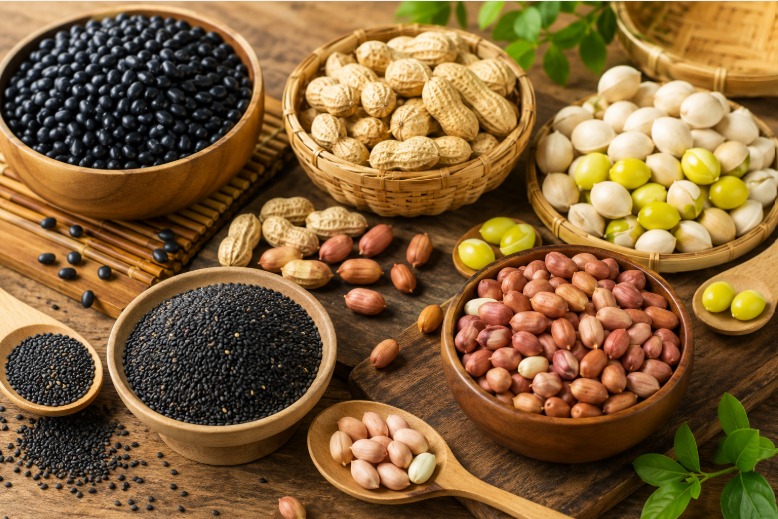
Legumes and seeds such as black beans, black sesame seeds, peanuts, etc., are used in traditional medicine to nourish the kidneys and also provide many nutrients to the body.
3. Black sesame seeds - Nourishes the liver and kidneys.
Black sesame seeds, also known as black sesame, have the scientific name Sesamum indicum L. They are a type of seed rich in fat, mostly unsaturated fatty acids such as oleic acid and linoleic acid. Black sesame also provides plant protein, fiber, and many minerals such as calcium, magnesium, iron, zinc, and several B vitamins. Black sesame contains characteristic lignan compounds such as sesamin and sesamolin, which have antioxidant activity. Specific nutritional composition may vary depending on the variety, growing conditions, and processing methods.
According to traditional Chinese medicine, black sesame seeds (Hắc chi ma) have a sweet taste, a neutral nature, and act on the Liver, Kidney, and Large Intestine meridians. This herb is used to nourish the Liver and Kidneys, benefit the essence and blood, and lubricate the intestines. It is often used in cases of constipation due to fluid deficiency, premature graying of hair, dizziness, blurred vision, aches and pains, or weak tendons and bones. Some traditional Chinese medicine texts also record its use in nourishing the five internal organs, benefiting the bone marrow, and improving skin health.
In the modern diet, black sesame seeds are an easy-to-use food that can be added to porridge, milk, salads, cakes, or other dishes to enhance flavor and supplement unsaturated fats, protein, fiber, and minerals. Nutritionally, black sesame seeds provide plant-based protein, unsaturated fats, fiber, calcium, iron, and many plant compounds, including lignans; they can be used roasted, ground, or sprinkled on porridge, salads, and other dishes to increase their nutritional value.
Delicious and nutritious dishes such as:
- Black sesame sweet soup: Cook finely ground black sesame seeds with tapioca starch and rock sugar. It helps to enrich the blood, is good for digestion, and beneficial for pregnant women.
- Black sesame porridge: Black sesame seeds are ground and cooked with white rice to make a thin porridge, eaten in the morning to nourish the kidneys and promote bowel movements.
- Black sesame seeds mixed with honey: Roast black sesame seeds until cooked, grind them into a powder, and mix well with honey. Consume daily to boost immunity.
- Roast black sesame seeds and boil them in water to make a daily drink.
Precautions: People with diarrhea, weak spleen and stomach, or loose stools should not consume large quantities. Black sesame seeds are not toxic, but avoid combining them with foods that are cold or very cold in nature, or with people suffering from severe dampness, as this can easily cause bloating and stagnation.
4. Peanuts - Nourishing the body and replenishing energy.
Peanuts (also known as ground peanuts, ground beans, peanut flower seeds) have the scientific name Arachis hypogaea .
Peanuts are rich in protein (approximately 25-26%), essential amino acids; fat (approximately 45-50%); vitamins and minerals (vitamin E, vitamin B6, niacin, folate, magnesium, copper, manganese); bioactive compounds (resveratrol, phytosterol, p-coumaric acid) and isoflavones with antioxidant and cardiovascular protective effects.
Peanuts are neutral (or slightly warm) in nature, sweet and fatty in taste; they act on the spleen, stomach, and lung meridians; their effects include nourishing the spleen, benefiting the stomach, moistening the lungs, harmonizing the stomach, generating fluids, dissolving phlegm, stopping bleeding, reducing swelling, promoting urination, increasing milk production, and controlling blood sugar. They are primarily used to treat: physical weakness, dry cough due to lung dryness, spleen deficiency leading to loss of appetite, insufficient milk production after childbirth, and bleeding due to thrombocytopenia (often using the red outer membrane of the peanut).
According to MSc. Dr. Ly. Nguyen Dinh Thuc, peanuts should not be eaten with greasy foods when suffering from diarrhea or acute gout. Consuming peanuts in appropriate amounts can help diversify the sources of protein and fat in the diet.
How to use in dishes:
- Boiled or steamed peanuts: Retain their natural sweetness, are easy to digest, and are good for people with weak digestive systems.
- Roasted peanuts, fried with salt: Use as an appetizer or side dish, or to make peanut butter.
- Cooking porridge or stew: Peanut porridge nourishes the body for those recovering from illness, while pork knuckle stew with peanuts helps increase milk production for postpartum women.
- As a seasoning: Grind it into a powder and sprinkle it on salads, spring rolls, pho rolls, beef noodle soup, or use it to make spring roll sauce.
Note: Avoid astringent foods and herbs. Do not eat peanuts with persimmons because the tannins in persimmons combine with the protein in peanuts, easily causing precipitation, stomach pain, and stomach stones. People with acute gout, high cholesterol, or obesity should not eat too much peanuts because the high fat and protein content reduces uric acid excretion and worsens the condition. People with chronic stomach ulcers or diarrhea, or those with poor digestion, should limit their consumption. Absolutely do not eat moldy peanuts as they contain aflatoxin, a toxin that poses a high risk of liver cancer. People with a history of peanut allergies should avoid peanuts due to the risk of allergic reactions.