


- 1. Top iron-rich beans for vegetarians
- 2. How to combine foods to optimize iron absorption.
- 3. Note habits that reduce iron absorption.
When following a purely plant-based diet, the body is prone to iron deficiency because the most easily absorbed iron (heme iron) is found primarily in animal meat. Iron from plant sources is non-heme iron, which the body only absorbs about 2-10%. Vegetarians should prioritize adding legumes such as lentils, chickpeas, or black beans to their daily diet to compensate for the necessary iron intake .
According to MSc. Dr. Dang Ngoc Hung, Director of the National Institute for Nutrition Research and Consulting (NERCI), eating plant-based foods correctly is beneficial for the body, helping with weight loss and supporting the prevention of obesity, hypertension, diabetes, cardiovascular disease, and reducing the risk of cancer…
However, vegetarian diets also have limitations, especially for strict vegetarians who eat only foods primarily based on grains, vegetables, and nuts, and therefore often lack certain essential nutrients such as iron, calcium, zinc, and vitamin B12.
1. Top iron-rich beans for vegetarians
Many studies show that vegetarians often have lower iron reserves and are more prone to iron-deficiency anemia than non-vegetarians. Without proper food choices, vegetarians can easily face anemia, leading to fatigue, weakness, and reduced concentration. Therefore, adding legumes to your daily diet is a simple, safe, and effective way to replenish this micronutrient.
Lentils: 100g of cooked lentils contains approximately 3.3mg of iron, along with a good amount of protein and fiber. Lentils are easy to prepare in soups, curries, or salads, making them a great addition to a daily vegetarian diet.
Chickpeas: 100g of cooked chickpeas contain approximately 2.9mg of iron. Thanks to their high soluble fiber content and low glycemic index, chickpeas help supplement iron while also supporting blood sugar stability and prolonging feelings of fullness.
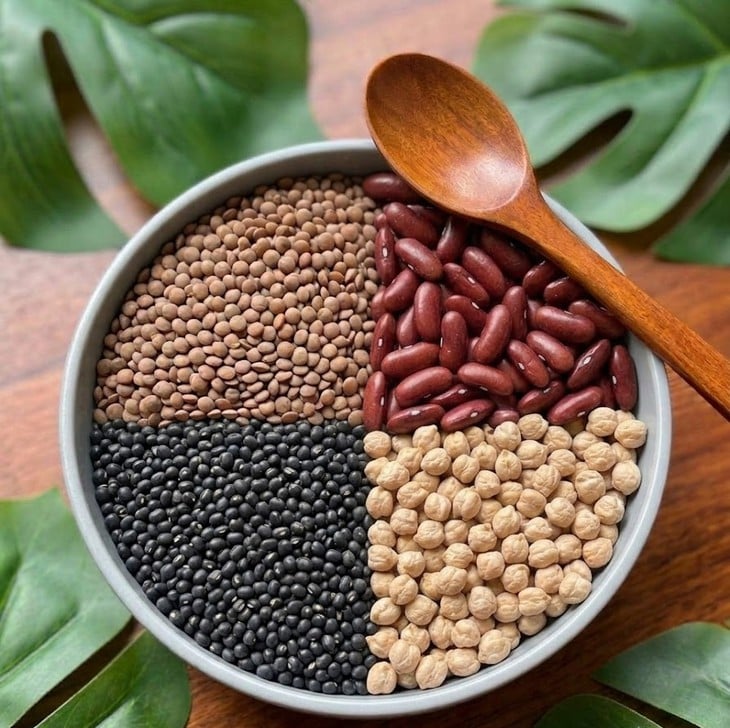
Legumes are rich in iron, so they should be added to the daily diet of vegetarians. (Illustrative image by AI)
Black beans: Provide approximately 2.1 mg of iron per 100 g of cooked beans. Besides iron, the anthocyanin pigment that gives the beans their black color is an antioxidant that helps protect cells and support cardiovascular health.
Soybeans and soy products (tofu, tempeh): Soybeans contain a relatively high amount of iron, with approximately 5.1 mg of iron per 100 g of cooked soybeans. Meanwhile, 100 g of tofu provides about 2.7 - 3.4 mg of iron, and is a familiar source of plant-based protein , easily incorporated into many dishes.
Kidney beans: Contain approximately 2.2 - 2.9 mg of iron per 100 g of cooked beans, are rich in folate and potassium, and are beneficial for blood cell regeneration and blood pressure regulation.
2. How to combine foods to optimize iron absorption.
Iron in plants (non-heme iron) is easily affected by factors that hinder absorption. To maximize iron absorption from legumes, vegetarians should follow these nutritional tips:
Combined with vitamin C: Ascorbic acid (vitamin C) helps convert insoluble iron ions into soluble, easily digestible forms in the small intestine, potentially increasing the absorption rate of plant-based iron by 2-3 times. It's recommended to eat bean dishes with bell peppers, tomatoes, lemon juice, or have oranges, grapefruits, guavas, or strawberries as a dessert immediately after meals.
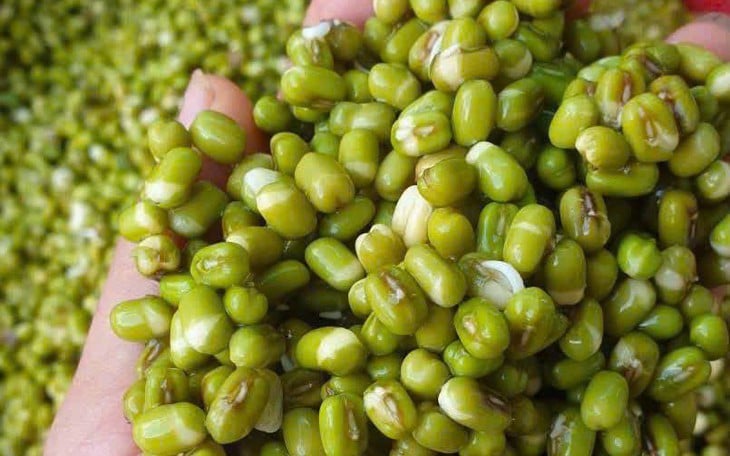
Soaking and sprouting beans before cooking: The hulls of beans contain phytic acid (phytate), a compound that binds to iron and hinders its absorption. Soaking beans in warm water for 6-12 hours or sprouting them before cooking will significantly reduce the amount of phytate, releasing minerals.
Use cast iron pots and pans when cooking: Cooking bean soups and stews in cast iron cookware can slightly increase the natural iron content of the food.
3. Note habits that reduce iron absorption.
In addition to methods that help increase iron absorption, vegetarians should be aware of the following habits that can hinder the body from absorbing enough iron:
Avoid drinking strong tea and coffee close to mealtimes: Tannins in tea and polyphenols in coffee form insoluble complexes with non-heme iron, reducing absorption by 50-70%. Vegetarians should drink these beverages at least 1-2 hours away from main meals.
Do not take with calcium supplements: Calcium competes with iron for absorption receptors in the intestinal mucosa. If you regularly consume calcium-fortified plant-based milk or calcium tablets, you should space out the intake of these supplements by 1-2 hours between them and iron-rich meals.
Vegetarians should prioritize diversifying their daily meals with legumes, leafy green vegetables, and nuts. High-dose iron supplements should only be used after receiving blood test results and under a doctor's prescription to avoid the risk of iron deposition that can damage the liver and heart.