



Vitamins play an essential role in metabolism, immunity, and body development. However, for most healthy individuals, vitamin needs can be met through a balanced diet rather than relying regularly on supplements.
Vitamins and minerals are involved in most vital bodily functions, such as energy metabolism, blood formation, immune system maintenance, protection of cells against oxidative stress, and support for bone and brain development. Prolonged micronutrient deficiencies can lead to numerous health disorders. Most healthy adults can meet their vitamin and mineral needs through a varied and balanced diet.
Multivitamins may be necessary in certain special cases such as pregnant women, the elderly, strict vegetarians, or people with medical conditions causing malabsorption. However, regular use without medical indication does not provide clear benefits and may lead to excess of certain micronutrients.
Here are 7 food groups you should prioritize to supplement vitamins and minerals naturally and safely.
1. Leafy green vegetables are a rich source of folate and vitamin K.
Leafy green vegetables are rich in folate (vitamin B9), vitamin A (in the form of beta-carotene), vitamin C, and vitamin K. These are important micronutrients for blood formation, immunity, and blood clotting. Unlike synthetic folic acid in supplements, naturally occurring folate in food has a structure compatible with the body's physiology. Beta-carotene in green vegetables is converted into vitamin A as needed, helping to limit the risk of overdose.
Here are some options that should be included in your daily meals:
- Spinach
- Kale
- Swiss chard
- Chinese cabbage...
Leafy green vegetables also contain potassium, calcium, and iron. The vitamin C in vegetables helps increase the absorption of non-heme iron (from plants). Adults should eat about 1–2 cups of leafy green vegetables per day, which can be consumed raw or cooked.
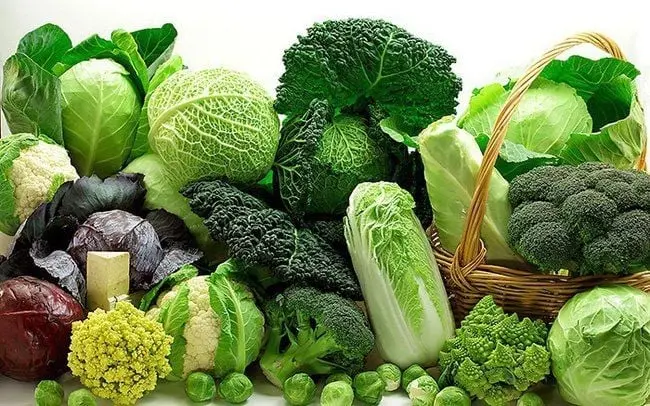
Leafy green vegetables are a good source of folate (vitamin B9) and vitamin K.
2. Colorful vegetables provide vitamins and antioxidants.
The colors of vegetables reflect the presence of plant compounds such as carotenoids, flavonoids, and polyphenols. These substances act as "cofactors," supporting vitamins in performing their antioxidant and anti-inflammatory functions.
Some typical foods:
- Carrots and sweet potatoes are rich in beta-carotene (a precursor to vitamin A).
- Red and orange bell peppers are rich in vitamin C and flavonoids.
- Broccoli and Brussels sprouts contain folate, vitamins C and K, and polyphenols...
Epidemiological studies show that diets rich in colorful vegetables are associated with a reduced risk of cardiovascular disease and several chronic illnesses. It is recommended to eat at least three different colored vegetables each day to ensure a diverse intake of micronutrients.
3. Fresh fruit provides vitamins, fiber, and water.
Fruits provide vitamin C, vitamin E, potassium, and both soluble and insoluble fiber. Unlike single supplements, fruits provide micronutrients such as water, fiber, and bioactive compounds, which the body absorbs more effectively.
The preferred options are:
- Berries are rich in vitamin C and polyphenols.
- Citrus fruits and kiwis are rich in vitamin C and potassium.
- Avocado provides vitamin E and potassium...
Consuming about two cups of fruit per day is considered appropriate for adults; fresh fruit should be preferred over juice to retain fiber.
4. Whole grains and legumes provide a natural source of B vitamins.
Whole grains such as oats, brown rice, quinoa, and legumes provide B vitamins (thiamine, niacin, folate), along with iron, magnesium, and zinc. B vitamins play a crucial role in energy metabolism and nerve function. Additionally, the fiber and slow-digesting starches in whole grains help control blood sugar and promote a feeling of fullness.
Some foods that should be included in your diet regularly:
- Lentils, black beans, green beans.
- Oats and quinoa.
- Brown rice...
Adults should eat 3–6 servings of whole grains and 1–2 servings of beans each day, depending on their energy needs.
5. Nuts are a good source of vitamin E and minerals.
Many multivitamin tablets contain low amounts of vitamin E, magnesium, and zinc due to the size limitations of the tablets. Meanwhile, nuts provide these micronutrients along with heart-healthy unsaturated fats.
Some options:
- Almonds and sunflower seeds: rich in vitamin E.
- Pistachios contain vitamin K. Pumpkin seeds are rich in zinc and magnesium.
- Chia seeds and flax seeds provide omega-3 fatty acids.
Just a small amount (about a handful each day) can supplement your diet with micronutrients.
6. Fatty fish provide an irreplaceable source of vitamins D and B12.
Fatty fish provide vitamin D, vitamin B12, iodine, selenium, and omega-3 fatty acids. These nutrients are scarce in plants. Vitamin D is essential for calcium absorption and maintaining bone health. Vitamin B12 is involved in blood formation and nerve function. Omega-3s support cardiovascular health and reduce inflammation.
The following types of fish should be prioritized:
- Salmon
- Sardines
- Mackerel
- Herring
- Bluefin tuna...
The general recommendation is to eat at least two servings of fish (each serving approximately 85g) per week. Vegetarians should note that they need to supplement their vitamin B12 intake from fortified foods or as advised by their healthcare provider.

Fatty fish are a good source of vitamin D and vitamin B12.
7. Eggs and milk provide choline, calcium, and vitamin B12.
Eggs are a food rich in vitamins A, D, B12, and choline. Choline is essential for brain and liver function but is often absent from multivitamins. Milk and dairy products provide calcium, vitamin B12, high-quality protein, and in some cases, added vitamin D. These nutrients support bone and muscle health.
Suitable options:
- Egg
- Greek yogurt
- Cheese
- Fresh milk...
Adults can consume approximately 2–3 servings of dairy and 1–2 eggs per day, depending on their health condition and individual needs. It is important to note that saturated fat intake should be limited for those at risk of cardiovascular disease.
Although food should be the primary source of micronutrients, some groups still require supplementation as recommended by medical professionals, such as:
- Women preparing for pregnancy (folic acid)
- Elderly people (vitamin D, B12)
- People with iron-deficiency anemia
- A strict vegetarian...
Supplements should be chosen based on professional advice and should not be used for extended periods without professional guidance.
For most healthy adults, a varied diet including vegetables, fruits, whole grains, beans, nuts, fish, eggs, and dairy can provide sufficient vitamins and minerals. Natural foods not only provide micronutrients but also fiber and beneficial bioactive compounds that supplements cannot replace. Prioritizing food first, and considering supplements only when indicated – this is a principle consistent with evidence-based healthcare.