The 9,000-year history of corn and its cultural role.
Vietnam.vn EN
09/02/2026 23:56:00
Explore the ancient origins, cultural roles, and diverse applications of maize in global life and agriculture.
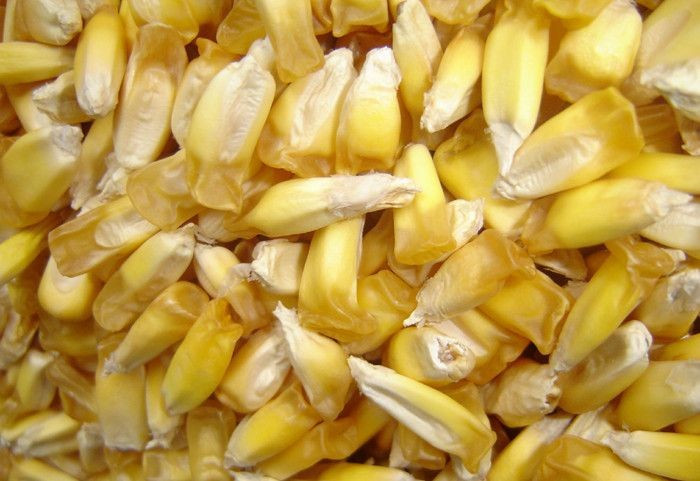
Originating from ancient Central America, corn was domesticated from the wild grass teosinte (genus Zea) approximately 9,000 years ago in what is now Mexico. From a wild plant with small, hard kernels, humans have selectively bred to create the large-eared, kernel-rich corn we see today. Photo: Pinterest.
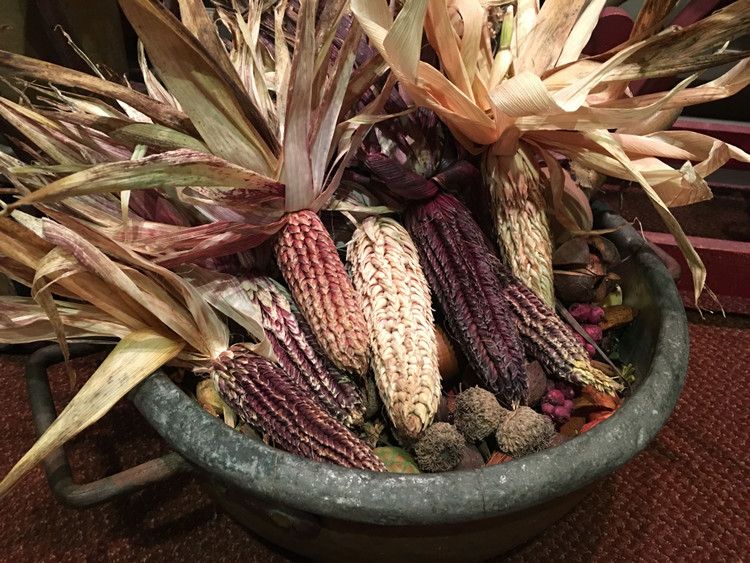
A cultural and religious symbol. In many ancient civilizations such as the Maya and Aztec, corn was considered a sacred plant associated with life and the gods. Images of corn appear in rituals, mythology, and art, showing the profound role this plant plays in the spiritual life of people. Photo: Pinterest.
One of the most productive crops. Compared to many other food crops, corn yields a very large output on the same cultivated area. Thanks to its efficient photosynthesis and good adaptability, corn has become a staple crop in many countries, especially in food and animal feed production. Photo: Pinterest.
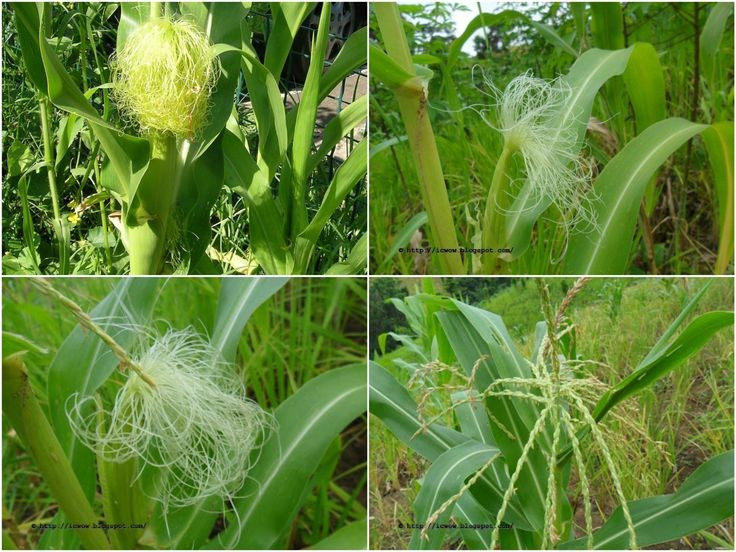
The male and female flowers are separate structures. Corn plants have male flowers at the top and female flowers that develop into ears in the leaf axils. Each corn silk corresponds to a single kernel, and successful pollination directly determines the number of kernels on the ear. This structure makes corn highly dependent on wind. Photo: Pinterest.
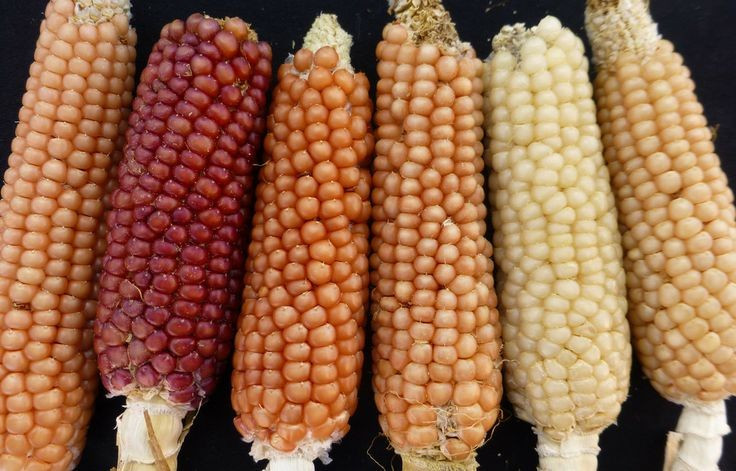
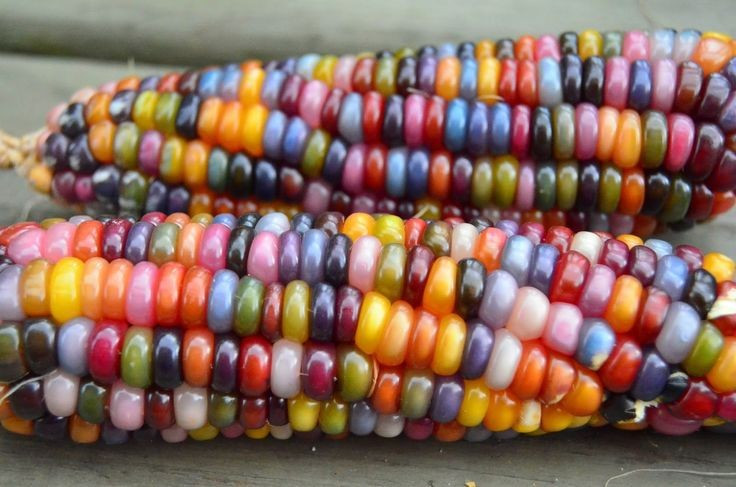
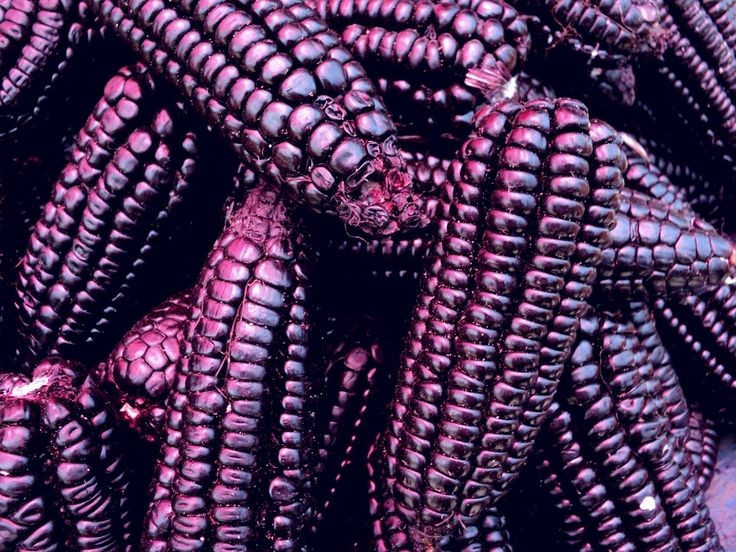
Corn kernels
come in a wide variety of colors and types. Beyond the familiar yellow, they can also be white, red, purple, green, or black. This diversity reflects a rich genetic pool, which humans have exploited for culinary, decorative, and
scientific research purposes. (Image: Pinterest)
Corn
plays a major role in global cuisine . It's the main ingredient in hundreds of dishes around
the world , from tortillas in Mexico and polenta in Europe to familiar boiled corn and popcorn. Corn flour, oil, and syrup are also widely used in the food industry. Photo: Pinterest.
Its applications extend far beyond the food sector. Besides being consumed directly, corn is used to produce bioethanol, biodegradable plastics, pharmaceuticals, and many other industrial products. This makes corn a strategic economic resource. Photo: Pinterest.
Adaptability to various climates. From temperate to tropical regions, corn can grow in a wide range of climatic conditions if it receives sufficient sunlight and water. Because of this, it has become one of the most popular crops on the planet. Photo: Pinterest.
This article is provided by Vietnam.vn EN, authorized for use, and represents solely the author’s personal opinions. Please contact us in the event of any potential infringement.