


Clothes dryers are often used on rainy days or in humid weather, when clothes are difficult to dry naturally. However, clothes that are dry but still smell must not necessarily be from the detergent or the clothes themselves.
According to EVN's guidelines, regular cleaning and inspection of the dryer is essential for its stable operation. Parts that come into contact with lint, steam, and hot air can become breeding grounds for dirt and grime after prolonged use.
book introduction
A guide to saving electricity at home.
This book was compiled under the auspices of the Department of Innovation, Green Transformation and Industrial Promotion ( Ministry of Industry and Trade ), in collaboration with Vietnam Electricity Group (EVN), Hanoi University of Science and Technology, and Hanoi University of Civil Engineering, within the framework of the National Program on Energy Saving and Efficiency for the period 2019-2030.
This handbook compiles practical electricity-saving solutions for households, guiding them on how to select, use, and maintain electrical appliances in different areas such as the kitchen, living room, and other essential equipment. The publication aims to help people reduce electricity costs, improve energy efficiency, and contribute to environmental protection.
Lint and moisture can accumulate inside the machine.
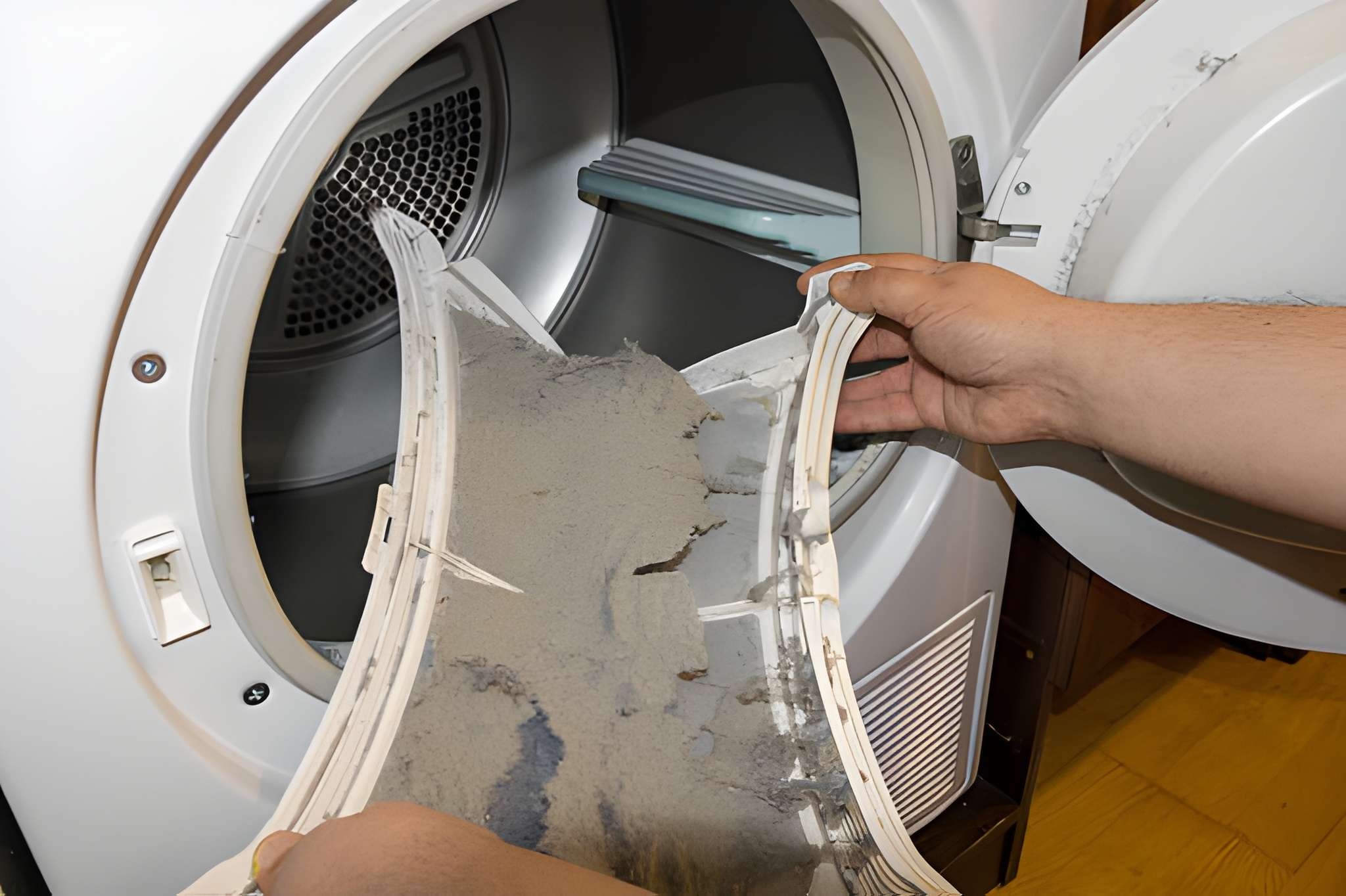
During the drying process, clothes are constantly moving inside the drum. Lint, hair, and small debris can detach from the clothes and get trapped in the filter. If not cleaned regularly, this lint buildup can become thicker, affecting the machine's airflow.
This is also one of the first parts to check when the dryer shows signs of poor performance or clothes develop an odor after drying.
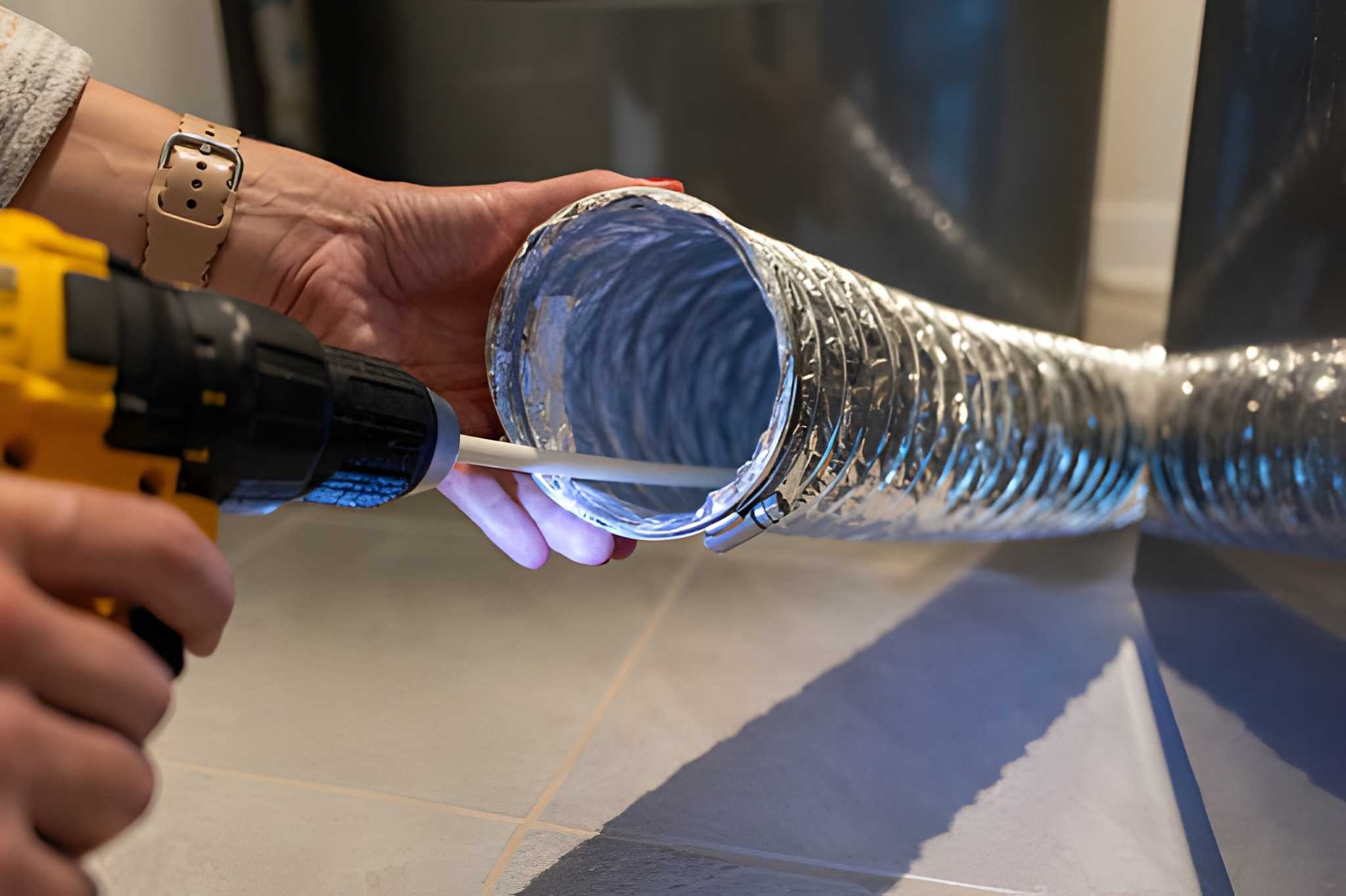
With vented dryers, moisture is expelled through an exhaust duct. If the duct is not cleaned or is obstructed, the ability to expel moisture can be reduced. This makes it difficult to completely remove moisture from the machine, resulting in a slower drying time for the interior environment.
Meanwhile, condenser dryers collect moisture from clothes into an internal tray. If the tray is not emptied and cleaned regularly, moisture can remain in the appliance after the drying cycle is complete.
Heat pump dryers also utilize a mechanism for recovering and processing moisture during the drying process. Therefore, components involved in airflow and heat exchange still need to be inspected and cleaned according to the manufacturer's instructions.
Another possible cause lies within the dryer drum itself. Damp clothes, lint, and dirt left inside the machine for extended periods can cause an odor. If the user removes the clothes but closes the door immediately afterward, any remaining moisture will have difficulty escaping.
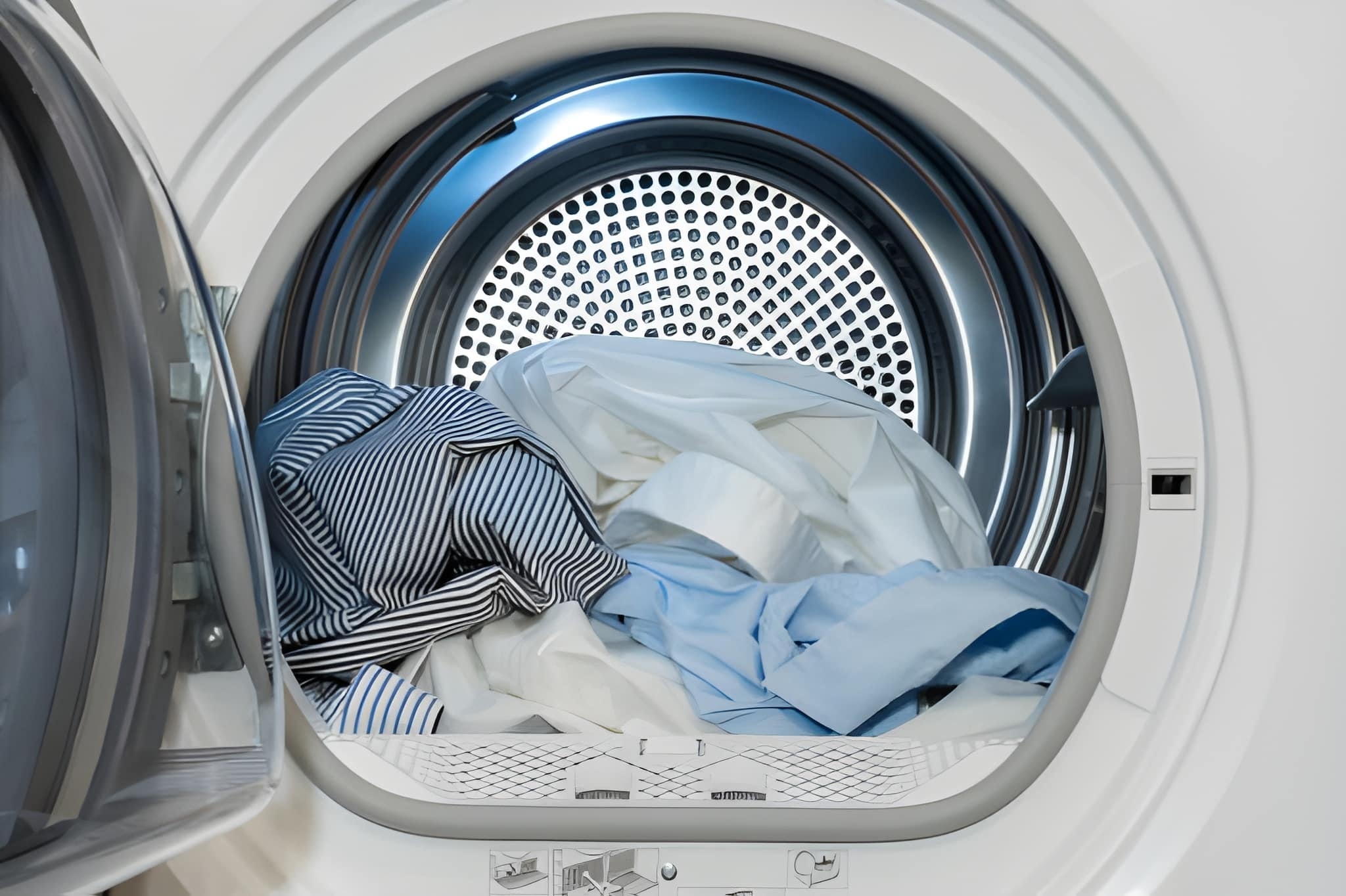
Therefore, the problem of clothes smelling bad after drying is not only related to the quality of washing. A dryer that is used frequently but rarely cleaned can also become a source of odor for clothes.
Cleaning the machine after each drying cycle is not enough.
EVN recommends that users clean their dryers regularly and inspect the equipment to detect any problems that may affect operation early. For the lint filter, users should clean it periodically instead of only addressing it when the machine's performance has decreased.
The specific cleaning frequency depends on the machine's design and usage level. However, checking the filter after each drying cycle is a habit that can help limit lint buildup.
In addition to the filter, users should also pay attention to the drying drum, water tray, and air vents if the device uses a ventilation system. These areas need to be kept clean and dry to minimize moisture buildup inside the machine.
After the cycle is complete, do not immediately close the machine door. Leaving the door open for a while allows any remaining moisture to escape, and also dries the space inside the drying chamber.
Clothes should also be loaded into the machine in appropriate quantities. According to EVN's guidelines, users should select a drying load corresponding to the machine's capacity. Loading too many clothes at once can hinder the circulation of hot air, prolonging drying time and reducing drying efficiency.
In addition, you should wring out your clothes thoroughly before putting them in the washing machine. The more water the clothes contain, the longer the machine has to run to remove the moisture. This not only increases drying time but also results in a larger amount of steam being processed in each cycle.
EVN also advises users to choose the appropriate drying mode for their clothes. Different programs are designed for different types of fabrics and drying levels, so choosing the right mode helps avoid over-drying or unnecessarily prolonged operation time.
If clothes still smell even after the machine has been cleaned, users should check the clothes again before drying, especially if the clothes have been left damp for too long after washing. In case the machine emits an unusual smell, makes strange noises, or shows signs of malfunction, the device should be inspected according to the manufacturer's instructions instead of continuing to use it.
The inventor failed more than 5,000 times to create the vacuum cleaner.
James Dyson spent 15 years and created 5,126 prototypes before inventing the best-selling bagless rotary vacuum cleaner.
Dyson's story in Zack Friedman's book, "Life Throws You Lemons, Quick Fix with Sugar," is inspiring and offers a path for you to choose a more vibrant life, if you so desire.